Top Trends Reshaping D2C Product Recommendations in 2026
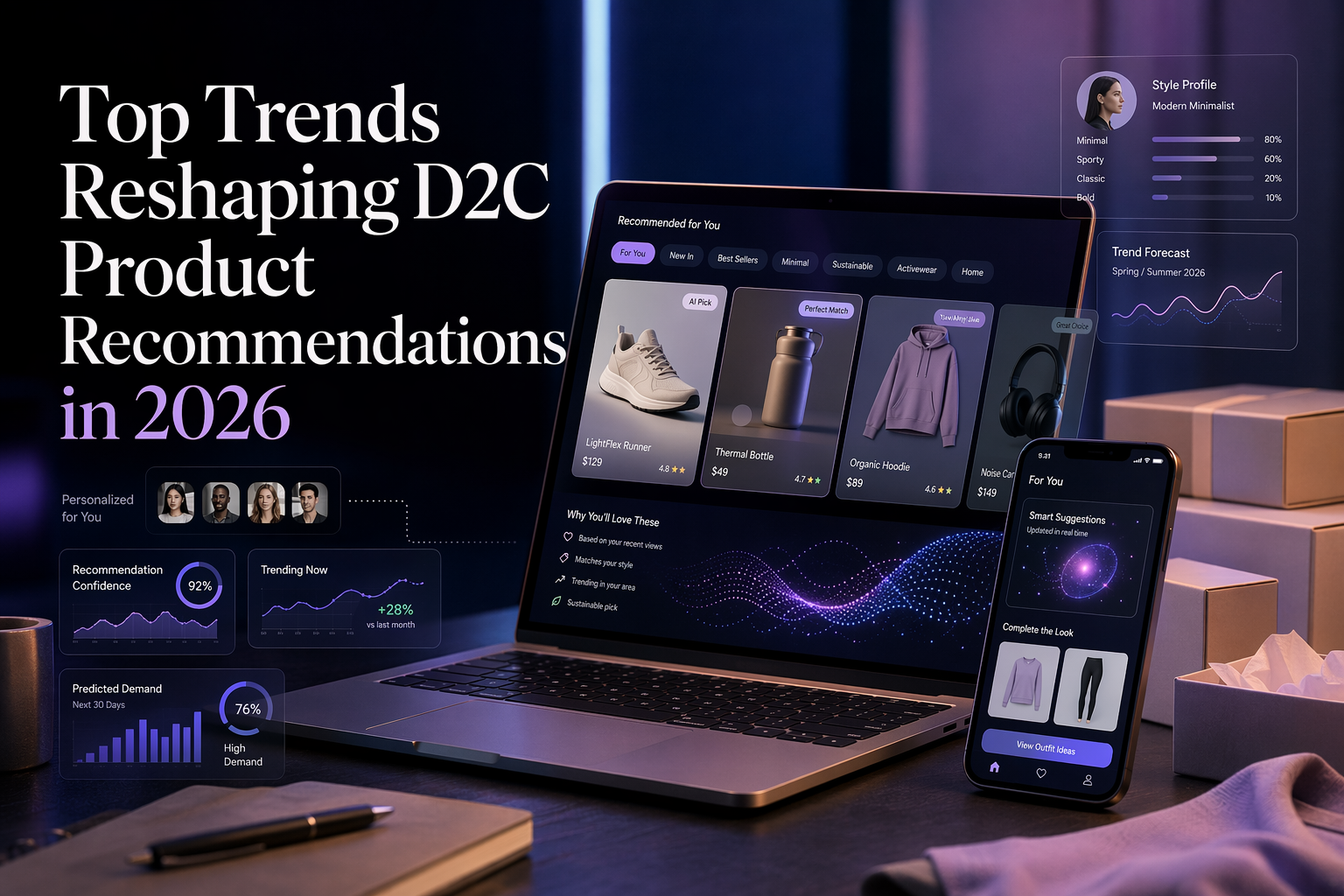
Shoppers now expect each product suggestion to feel timely and personal. In 2026, D2C brands are replacing fixed "customers also bought" blocks with AI systems that read first-party data, live behavior, and cross-channel signals. That shift matters because better recommendations lift conversion, AOV, retention, and growth efficiency. This guide breaks down the key trends and what operators should act on now, based on clear ecommerce and personalization market signals.
Real-Time AI Is Replacing Static Recommendation Blocks
Static “customers also bought” blocks are losing ground because they react to old averages, not live intent. Shoppers now use AI to compare options before they even hit your site, and McKinsey reports AI is becoming a primary interface for discovery and comparison. Static modules also miss session clues like current search, scroll depth, and compatibility needs.
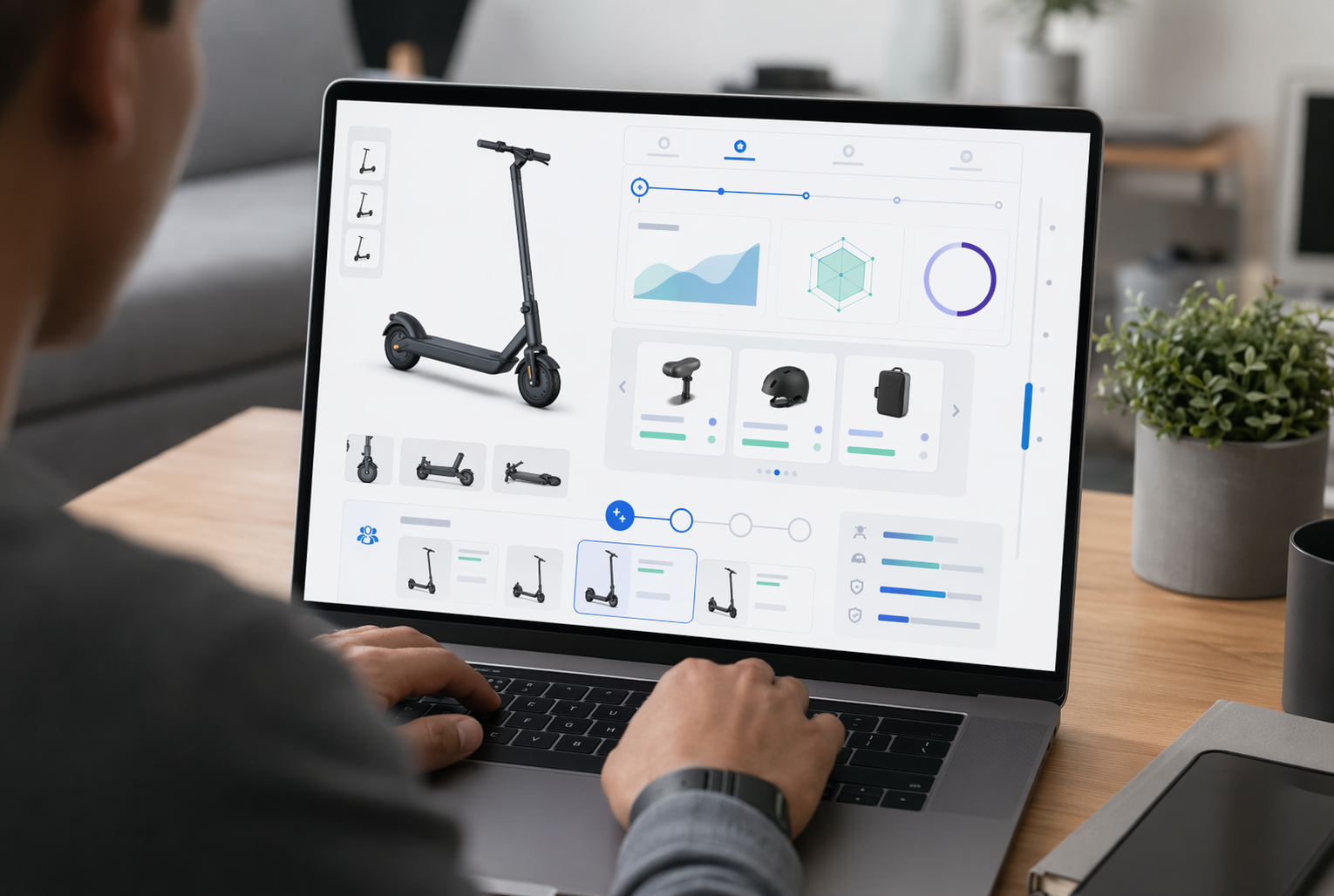
Real-time personalization uses live signals instead:
- on-site behavior
- referral source
- cart edits
- product questions
According to McKinsey, 71% of consumers expect personalized interactions and 76% get frustrated when they do not get them. For D2C teams, that means recommendation logic should act more like a sales agent than a fixed widget. Kandid fits this shift well by guiding shoppers through live questions, trade-offs, and fit.
Also Read: D2C Product Recommendations in 2026: What’s Changing Now
First-Party Data Has Become the Core Recommendation Asset
Recommendation quality now starts with owned signal, not rented audiences. Chrome kept third-party cookies, but Safari and Firefox still block them, so D2C teams need stronger first-party inputs to personalize reliably across channels, as explained by Consenteo’s 2026 cookie update.
What brands need is simple:
- Behavioral data - product views, filters used, cart adds, quiz answers
- Customer data - purchases, returns, support chats, loyalty status
- Context data - device, location, traffic source, session intent
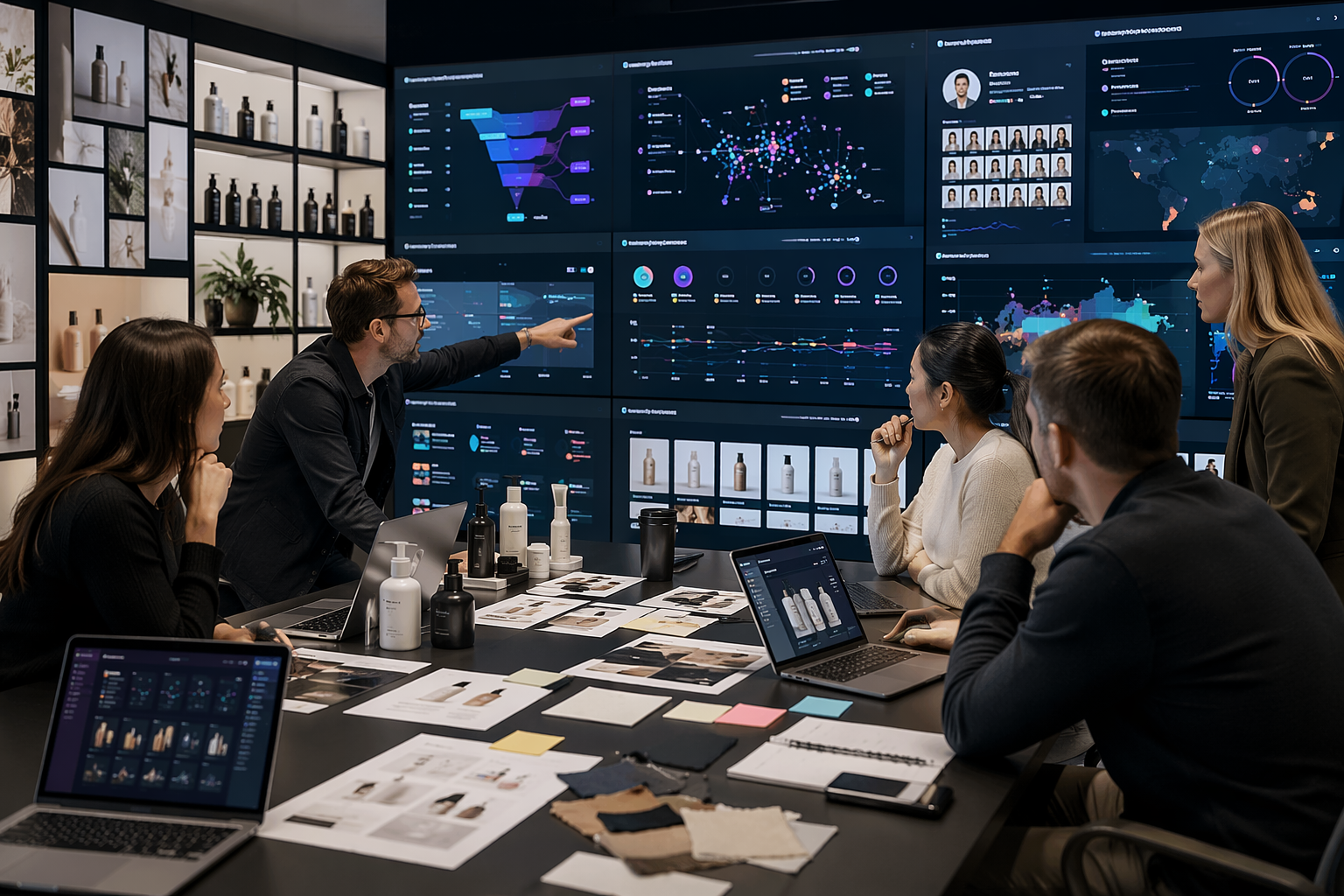
Clean data beats flashy models. If product tags are messy, events fire twice, or variants are mislabeled, recommendations break fast. Adobe’s 2026 view on paid and owned data shows the value comes from connecting exposure, profile, and event data into one usable record across channels.
Start with identity, catalog hygiene, and event tracking before chasing new AI layers.
Also Read: D2C Product Recommendations News: Personalization Shifts 2026
Context Now Matters More Than Category Affinity
Shoppers now respond better to in-session context than broad category matching. What they just searched, compared, skipped, or asked tells you more than what similar buyers bought last month. Recent e-commerce research shows context fills key relevance gaps, especially for niche queries and fast-changing intent K-CARE research. TechCrunch also reports Pinterest’s new AI shopping app is built to retain user context across sessions, not just map people to static interests Pinterest’s Ask Pinterest launch.
For operators, that means recommendation inputs should prioritize:
- Live behavior like clicks, scroll depth, and compare actions
- Intent signals like compatibility questions or budget limits
- Moment-based context like referral source or device
If your engine still leans mostly on "people also bought," it is already behind.
Also Read: Kandid vs Manifest: Which D2C Product Recommendation Platform Wins in 2026?
The New Recommendation Stack Spans Site, Email, SMS, and Post-Purchase
Recommendation revenue now shows up across the whole customer journey, not just on product pages. Brands are getting more value when the same logic powers site prompts, lifecycle email, SMS nudges, and post-purchase offers.
Where is the lift showing up most?
- Post-purchase is growing fast. Listrak says these campaigns saw a 38% increase in revenue per send.
- Email flows still drive big dollars. Total Retail reports automated flows make up 6% of sends but generate more than half of email revenue for top brands in some cases, with 8x higher revenue per 1,000 emails than campaigns.
The stack works best when each channel shares intent data, timing, and product context.
Turn 2026 recommendation trends into revenue with Kandid - real-time AI sales agents that guide shoppers, answer fit questions, and lift conversion fast.
Frequently Asked Questions
Q1: What are the key AI-driven trends reshaping D2C product recommendations in 2026?
Brands now use real-time intent signals, first-party data, and conversational AI to match shoppers with better products. Recommendation engines also factor in margin, inventory, compatibility, and likely repeat purchase value.
Q2: How does real-time AI personalize product suggestions for D2C brands in 2026?
It reads live shopper behavior like clicks, questions, cart changes, and page depth. Then it adjusts suggestions fast. Tools like Kandid help brands answer product-fit questions and remove doubt before checkout.
Q3: What role will first-party data play in D2C marketing strategies in 2026?
First-party data powers better targeting after cookie loss. It helps brands connect browsing, quiz answers, purchase history, and support chats, so recommendations feel useful, not random, across acquisition, retention, and onsite conversion.
Conclusion
Product recommendations now drive more than cross-sells. They shape discovery, retention, and margin. Brands that pair first-party data with compliant AI move faster, while retail AI rules and agentic commerce raise the bar.