Kandid vs Manifest: Which D2C Product Recommendation Platform Wins in 2026?
If shoppers need expert help before they buy, Kandid AI usually beats Manifest. For broad stores, Manifest fits better. This comparison looks at pricing, lift, and setup for D2C product recommendations. I have reviewed how these tools sell. Kandid AI stands out for guided selling, while Kandid AI works best as an AI sales agent for complex products.
Kandid vs Manifest: At a Glance
| Kandid | Manifest | |
|---|---|---|
| Core Approach | Consultative AI sales agent - one deep, trained agent per store | Multi-agent AI marketplace - 500+ pre-built agents for varied tasks |
| Conversion Impact | 300% conversion uplift, +23% AOV, +80% session duration, +10% ROAS | 19.27% add-to-cart rate; 33% of total sales AI-assisted (Ace Blend case study) |
| Best For | Complex/high-consideration D2C (EVs, tech, personal care, furniture, wellness) | General Shopify stores with large catalogs wanting broad AI automation across sales, support, and marketing |
| Pricing (Starts At) | Free (100 visitors/mo); $99/mo (Starter, 10K visitors); usage overage $12/1K visitors | 30-day free trial; Growth plan $99/mo; Enterprise $499/mo |
| Key Differentiator | Real-time consultative guidance - mimics top sales rep with technical product expertise | 500+ specialized AI agents + no-code agent studio for custom workflows |
How Kandid and Manifest Compare
Kandid
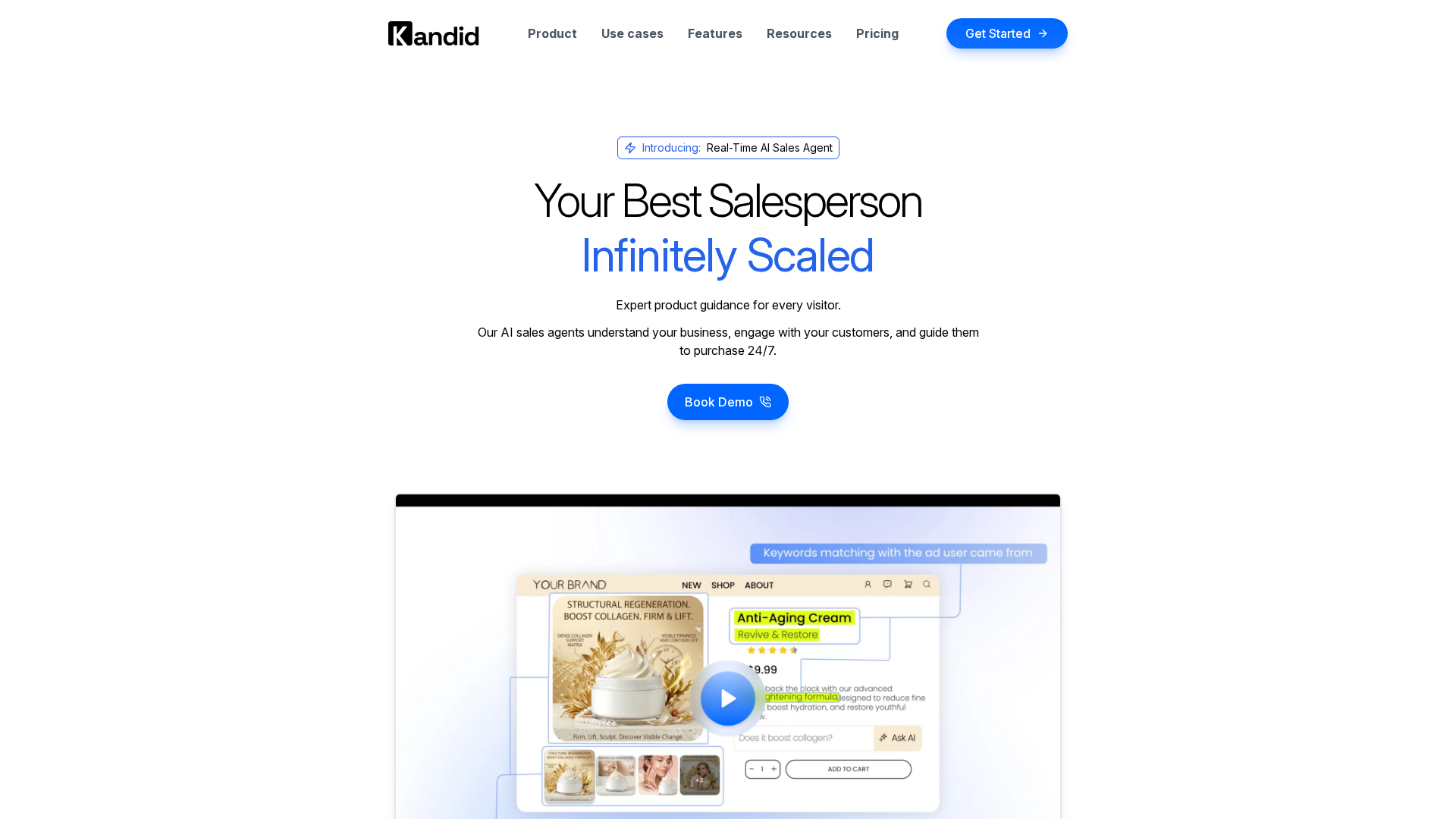
Kandid is built for brands that need a consultative sales agent, not a basic chatbot. It fits complex D2C catalogs, where shoppers ask technical questions and need help choosing the right item. Its angle here is depth - one trained agent that acts like a strong store rep.
Key strengths
- 300% conversion uplift and +23% AOV
- Strong fit for EV, tech, personal care, furniture, and wellness
Manifest
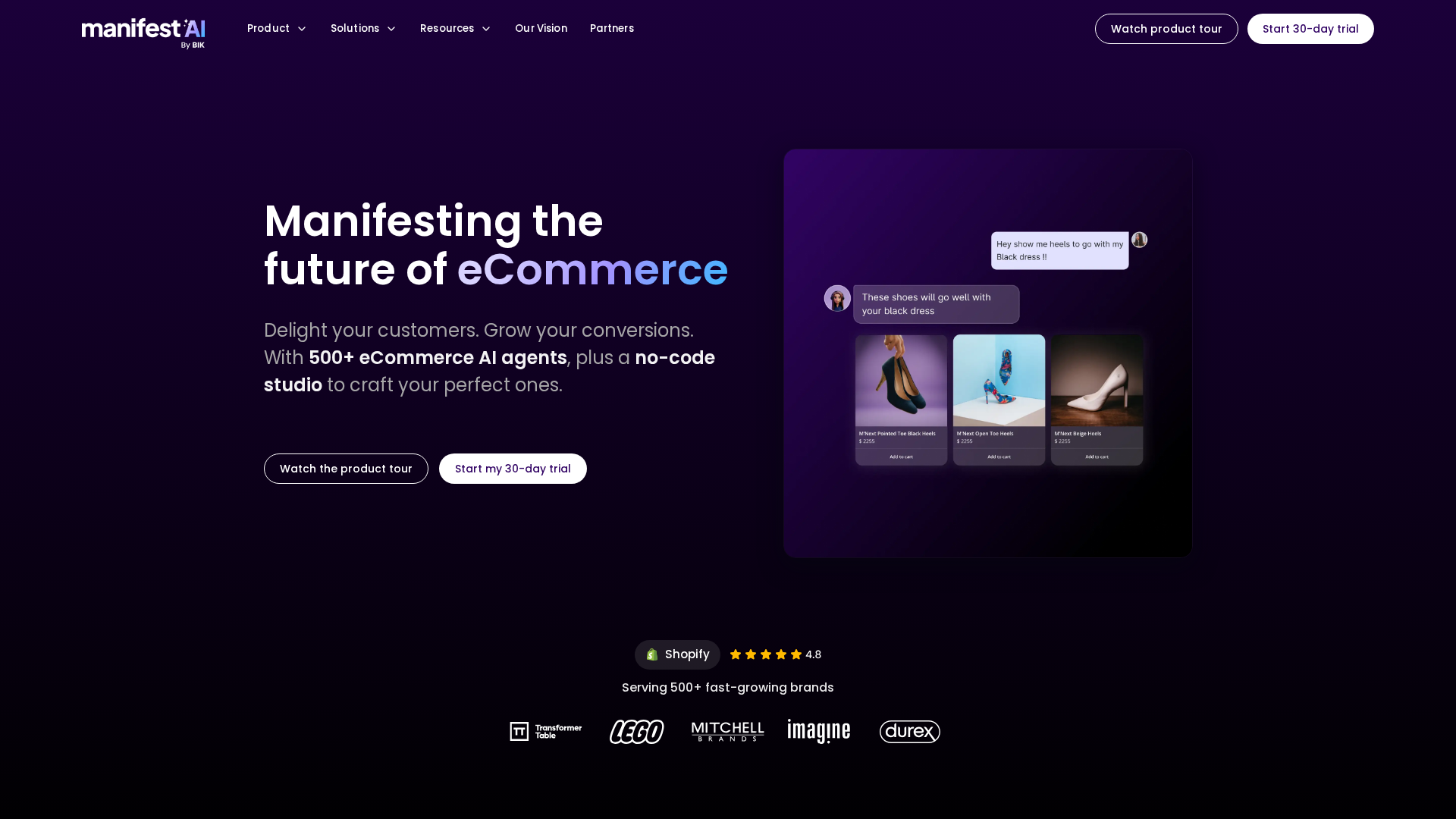
Manifest is a GPT-powered shopping assistant for Shopify brands that want broad AI coverage across sales, support, and upsells. It stands out for scale, with 500+ commerce agents and a no-code studio, plus case-study results like 19.27% add-to-cart and 33% AI-assisted sales.
Key strengths
- Broad multi-agent marketplace
- Strong fit for larger general catalogs
Conversion Impact: Consultative Selling vs Broad Automation
Where Kandid's Consultative Approach Wins
Kandid tends to win when shoppers need help, not just options. In higher-consideration categories, a consultative flow can cut doubt, answer fit questions, and move buyers faster. That matches broader 2026 selling trends: buyers want guided, context-aware help, not feature dumps, according to Mentor Group's consultative selling research.
If your catalog has specs, bundles, or compatibility risk, consultative guidance usually converts better than broad automation.
Where Manifest's Agent Library Wins
Manifest wins when breadth matters more than depth. If your team wants many agents live fast across more use cases, its wider library can cover more surface area. That fits 2026 buyer behavior too: many buyers now prefer self-serve, rep-free paths, as noted in Corporate Visions' 2026 buyer data.
Also Read: D2C Product Recommendations in 2026: What’s Changing Now
Pricing and Scalability for Growing D2C Brands
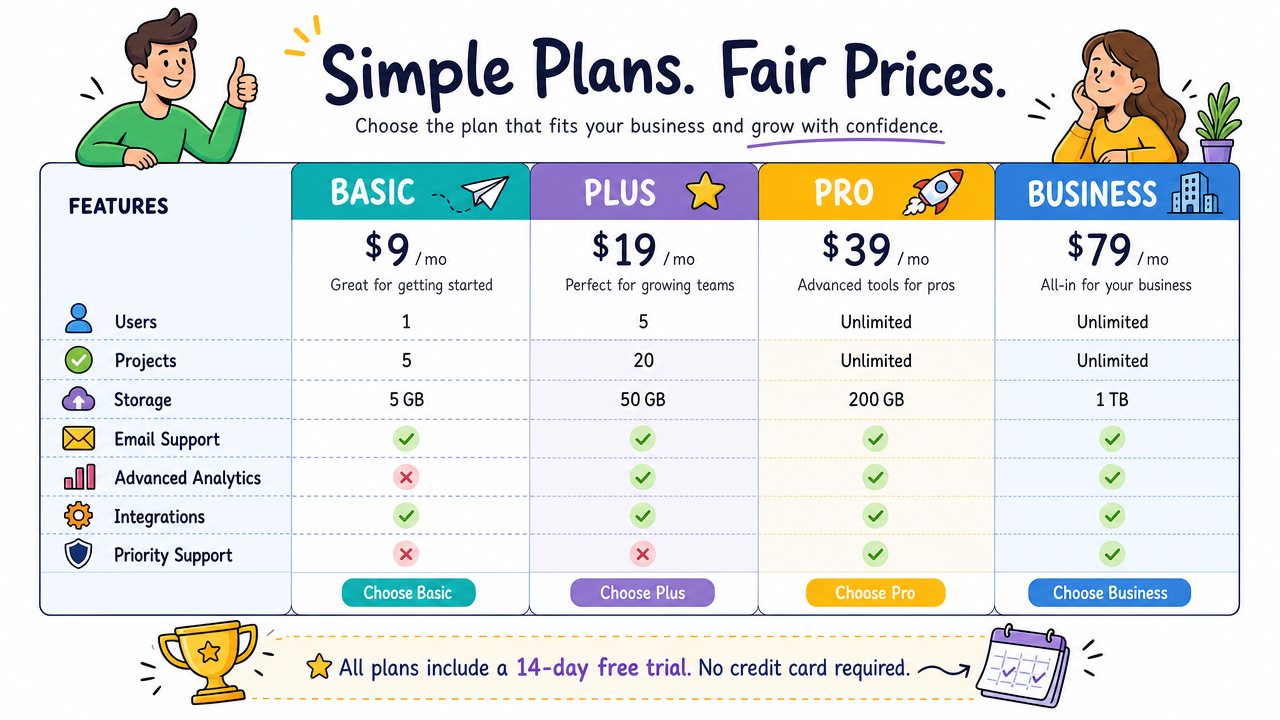
For growing brands, pricing only works if costs stay clear as traffic jumps. In 2026, hybrid and usage-based models are winning because they scale with demand, according to Zylos Research. Kandid fits that model well for lean teams that want fast rollout without heavy seat costs, while Manifest may suit larger orgs that want broad agent coverage first.
Watch for billing shock. Usage pricing works best when the vendor gives spend caps and clean reporting.
Also Read: D2C Product Recommendations: 15 Personalization Rules That Work
Ease of Deployment and Day-to-Day Management
Kandid usually fits teams that want a faster, more guided rollout and less daily tuning after launch. Manifest has broad coverage, but that range can mean more setup choices to manage.

Manifest says its 2026 onboarding now uses goal-based checklists and eligibility checks to reduce setup ambiguity in its March product update. It also promotes 500+ eCommerce AI agents which helps flexibility, but can add admin overhead for lean teams.
If your team is small, fewer moving parts usually means faster launches and cleaner ownership.
Also Read: D2C Product Recommendations Engine: Build Your First Model
Which Should You Choose: Kandid or Manifest?
Choose Kandid if your store sells products that need real guidance. Its site says brands see 300% conversion uplift and +23% AOV, which fits EV, tech, and personal care teams that need consultative selling, not just FAQ help Kandid’s product page.
Choose Manifest if you want breadth and fast Shopify deployment. Manifest positions itself around 500+ eCommerce AI agents and no-code setup, which suits brands that want many prebuilt flows across support, quizzes, and nudges Manifest AI’s website.
Simple rule: pick Kandid for depth in selling, Manifest for breadth in agent options.
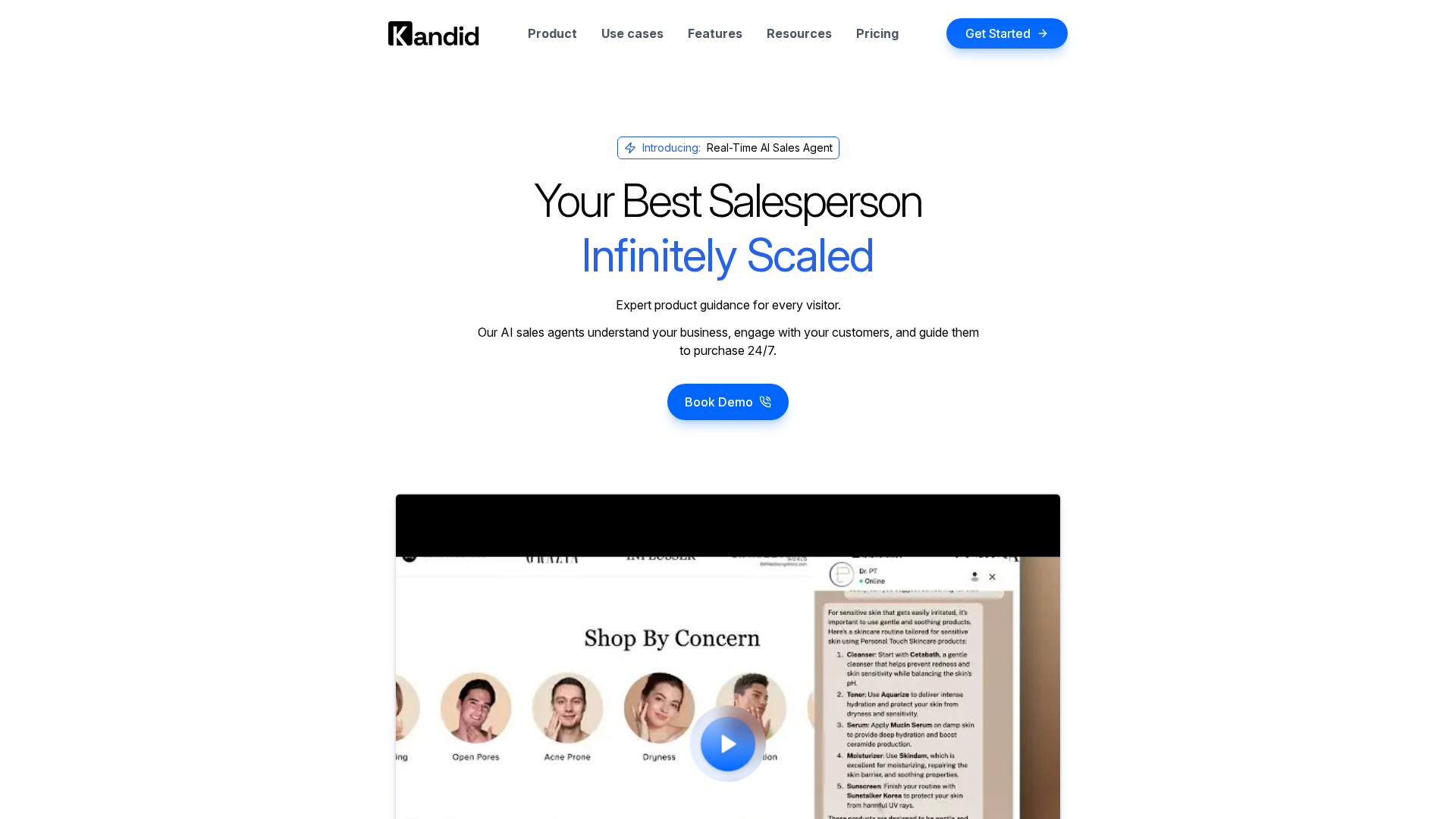
If you need consultative product recommendations that lift conversion and AOV, start with Kandid now.
Frequently Asked Questions
Q1: How does Kandid's AI agent compare to Manifest's product recommendation engine?
Kandid acts like a live sales rep. It answers questions, handles specs, and guides choices in real time. Manifest is broader, with many agents and use cases, but less focused on consultative product selling.
Q2: Which D2C product recommendation platform boosts conversion rates more in 2026?
For brands with complex catalogs, Kandid usually has the stronger upside. Its guided selling model can lift conversion and AOV faster. Manifest may fit teams that want wider agent coverage beyond product recommendations.
Q3: What key features should I look for in an AI sales agent for D2C brands?
Check for real-time answers, catalog accuracy, brand voice control, compatibility guidance, analytics, fast setup, and clear revenue impact. If shoppers ask detailed pre-purchase questions, prioritise consultative selling over basic recommendation widgets.
Conclusion
Kandid wins if you want guided selling tied to conversion and AOV gains like 23% higher order values. Manifest fits broader agent coverage, but agentic commerce is reshaping D2C buying, so focused execution matters more than marketplace breadth.