D2C Product Recommendations in 2026: What’s Changing Now
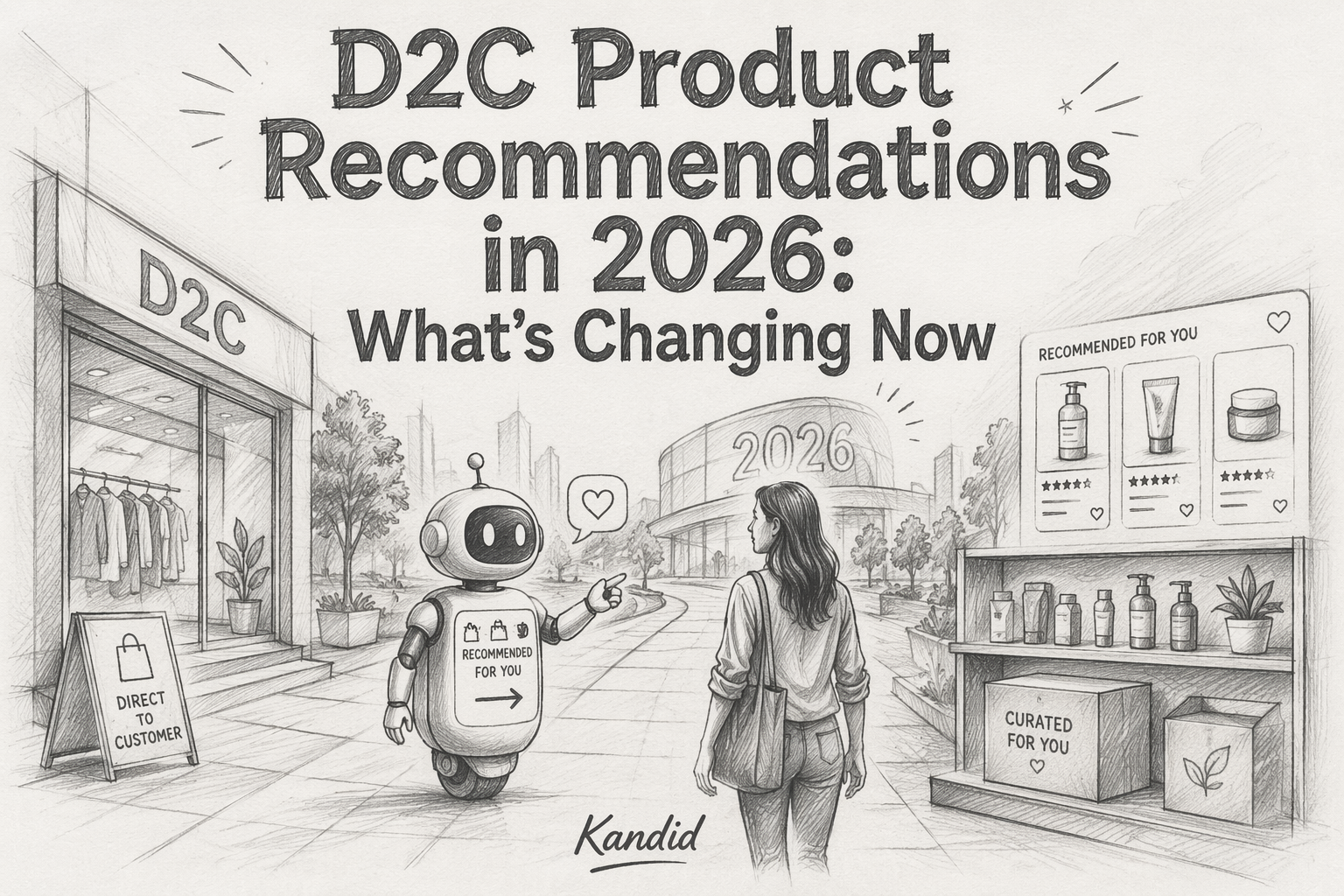
D2C product recommendations in 2026 are no longer just a personalization widget on the homepage - they are a real-time decision layer across the entire buying journey.
Here is the gap. Many brands still rely on static rules, broad segments, or legacy collaborative filtering. At the same time, customers expect suggestions that reflect live intent, inventory, context, and channel history.
This article breaks down what is changing right now: AI-driven recommendation engines, first-party data activation, and conversational shopping assistants. You will see what deserves budget and engineering time next.
The insights come from current 2026 competitor moves, emerging AI commerce patterns, and real D2C teams in crowded markets.
Quick Summary: D2C product recommendations in 2026 are shifting from static “you may also like” widgets to real-time decision engines that respond to live session behavior, search intent, inventory context, and customer history. The article highlights three major changes: smarter AI recommendation engines, greater reliance on first-party and zero-party data after the decline of third-party cookies, and LLM-powered shopping assistants that can guide purchases conversationally across onsite, email, SMS, and support channels. It also notes that these systems depend on strong catalog enrichment and clean customer data, and that brands should prioritize high-intent placements like PDPs, cart, checkout, and post-purchase flows before expanding into full omnichannel orchestration.
What is actually changing in D2C product recommendations in 2026
Most brands think they need a shinier widget. They actually need a different engine.
2026 recommendations are shifting on three fronts: how decisions are made, what data powers them, and where they show up.
helloretail.com shows the big move from static rules to behavioral signals. Instead of "if user viewed category X, show category X," modern engines read the full session: what visitors search, skip, compare, and how long they linger. Shopify’s own generative recommender treats the journey as a sequence and predicts the next step, proving that real-time context lifts conversion and quality clicks at scale, as described by shopify.engineering.
This shift only works because the data story changed. Third party cookies are done. Personalization now leans on first-party and zero-party data: on-site behavior, search, purchase history, plus what customers tell you they want. That stack has to be privacy proof, explainable, and consent aware.
The last change: recommendations are no longer just a row of "you may also like" on PDPs. The same logic now drives:
- Onsite widgets and search
- Email and SMS follow ups
- AI sales agents like Kandid that guide live conversations
So the real change is simple: one brain, many surfaces, updated in real time.
1. From static rules to real-time decisioning
Static rules are lazy. "If user viewed shoes, show shoes" worked in 2015. It wastes money now.
Modern D2C teams are moving to real-time ranking that reacts to what a shopper is doing this second, not last week. Think of it as a constantly updating bet: "Given the last 5 actions, what is the most useful next product?"
Recent work on ecommerce personalization shows a clear trend: engines now watch full behavior sequences across sessions instead of just last click, then decide in under 100 milliseconds what to show next, as outlined by helloretail.com. Shopify’s 2026 generative recommender frames it as "predict the next product in the journey," and that mindset delivered measurable lifts in conversion and high intent clicks at massive scale, according to shopify.engineering.
For you, this means:
- Batch jobs and rigid segments lose to streaming events and session context
- Merchandising rules become guardrails, not the main driver
- AI agents like Kandid, Manifest, and Sage Pilot can react mid conversation as shoppers ask, compare, and change their mind
If your recommendations do not change while the shopper is still browsing, you are leaving easy revenue on the table.
How AI recommendation engines are evolving for D2C ecommerce
AI recommendations are shifting from "people also bought" carousels to live decision engines tied to real behavior and language.
1. Catalog matching and product understanding
Old engines matched IDs and tags. 2026 engines actually understand products.
Teams now:
- Turn titles, specs, reviews, and images into dense vectors.
- Use semantic search so "cozy winter sweater" finds "wool pullover," not zero results, like the Redis team notes for AI assistants on redis.io.
- Enrich catalogs with use cases, fit, routines, and compatibility (great for EV, tech, and skincare).
Shopify goes further and explores "semantic IDs" so models work in token space instead of raw product IDs, which cuts cost and lets one model use both catalog and text context, as described on shopify.engineering.
Result: the engine thinks in concepts, not SKUs, so it can rank truly relevant items even in messy catalogs.
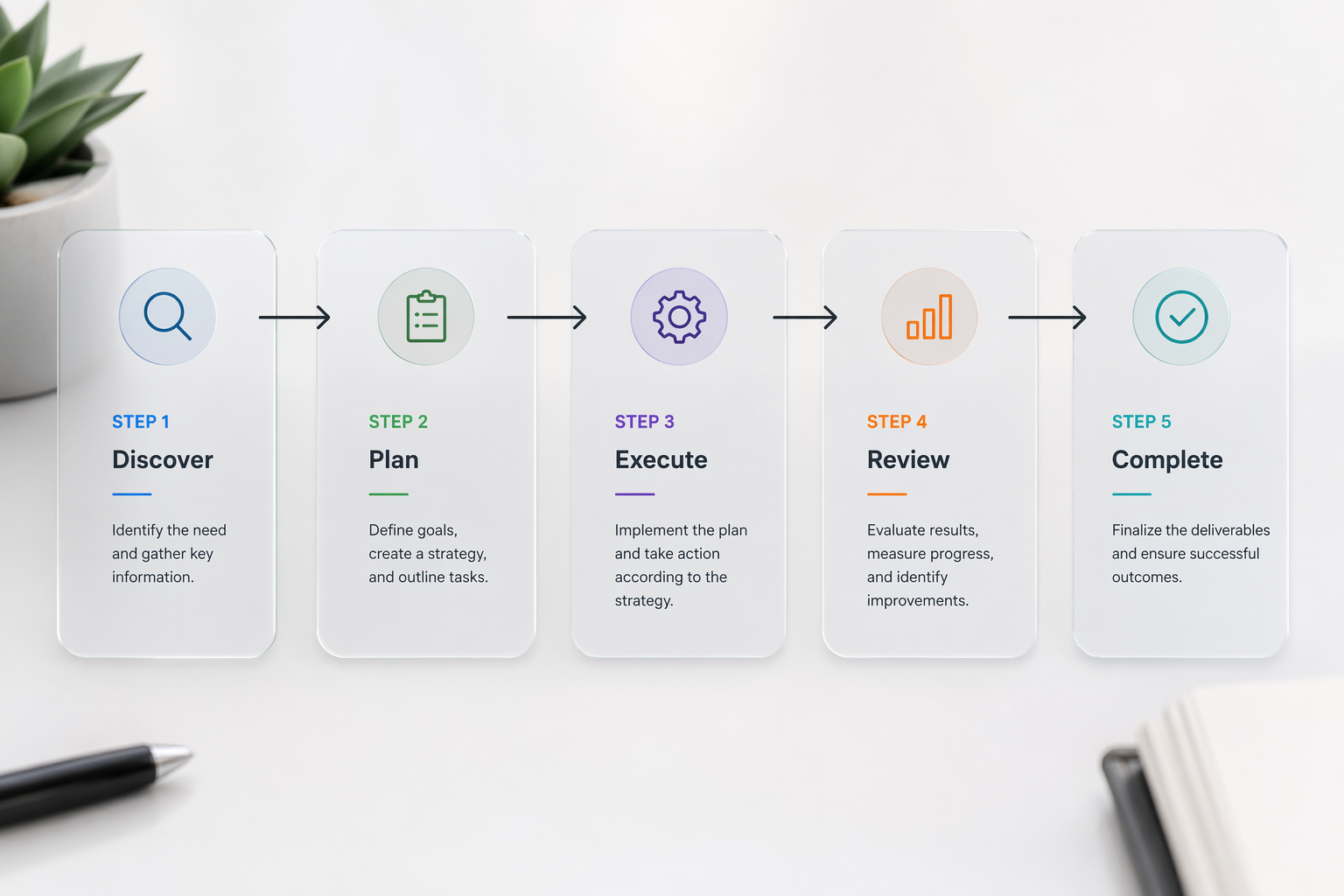
2. Session intent and behavioral signals
Static "since last visit" personalization is losing. Engines now track sequences.
Modern recommenders:
- Model the order of events: search, view, compare, add to cart.
- Treat time as a first-class signal: recency, gaps, and seasonality.
- Mix long-term prefs (always buys fragrance free) with in-session intent (searching "gift under $50").
This sequence-first approach mirrors how Shopify frames recommendation as "what comes next" in the journey.
You get fewer dead-end suggestions and more "this is exactly what I needed right now" moments.
3. LLM-driven shopping assistants as a new recommendation layer
The third shift: chat is turning into a recommendation surface.
LLM-powered assistants sit on top of classic engines and do three big jobs:
- Translate messy, natural questions into structured filters and ranking goals.
- Pull candidates from your recommendation engine or vector index.
- Explain why each product fits, using brand voice and policy-safe language.
AI shopping assistants already use retrieval plus LLMs to ground answers in real catalogs and reviews, cutting hallucinations while still feeling conversational, as outlined on redis.io.
For D2C, that means:
- A shopper can ask "Will this charger work with my Kia EV6?" and get a confident, sourced answer plus a short list of SKUs.
- Assistants such as Kandid, Manifest, or Sage Pilot connect catalog understanding, live session intent, and first-party data to act like a digital salesperson, not just a chatbot.
The net effect: recommendation engines stop hiding in carousels and start running the whole interaction.
What D2C teams should do next
1. Audit the data inputs first
Treat recommendations as a data problem, not a tool problem.
Start by checking:
- Is your catalog fully tagged with attributes and margins?
- Do you have at least 12 months of clean transactions, tied to sessions?
- Are email, support, and onsite events feeding one profile per customer?
This is the same foundation epinium.com and hologrow.ai point to as non‑negotiable. Fix gaps before you buy anything fancy.

2. Start with the highest-intent placements
Do not roll out everywhere. Start where buyers are closest to money:
- PDP recommendations
- Cart and checkout
- Post purchase and triggered emails
Layer AI assistants like Kandid on PDP and checkout to answer questions and push the right bundle at the exact moment of doubt.
3. Build toward omnichannel recommendation orchestration
Once PDP and cart work, extend the same logic into:
- Homepage and category discovery
- CRM flows: email and SMS
- Onsite agents and support chat
Aim for one decision brain that coordinates rules, AI models, and guardrails across channels, instead of a mess of disconnected widgets.
Review your 2026 recommendation stack, then upgrade it with real-time AI sales agents from Kandid to turn high-intent visitors into guided, always-on buyers.
Frequently Asked Questions
Q1: How are D2C product recommendations changing in 2026?
They are moving from static “people also bought” blocks to real-time, intent based guidance. Brands now use first party data, AI agents, and live behavior to adjust offers per visit. The big shift is from generic bundles to 1:1 advice that feels like a smart salesperson.
Conclusion
D2C recommendations in 2026 are finally acting like a live brain, not a static rules board. The shift is clear: real-time decisioning and session intent now beat old-school segments, as context-aware engines and generative recommenders reshape what “relevant” means in the moment wikipedia.org.
LLM shopping assistants add a fresh surface, but your fastest wins still come from first-party data, high-intent placements, and cleaner product catalog enrichment.