Retailers Add Live Inventory Updates to Dynamic Storefront Displays
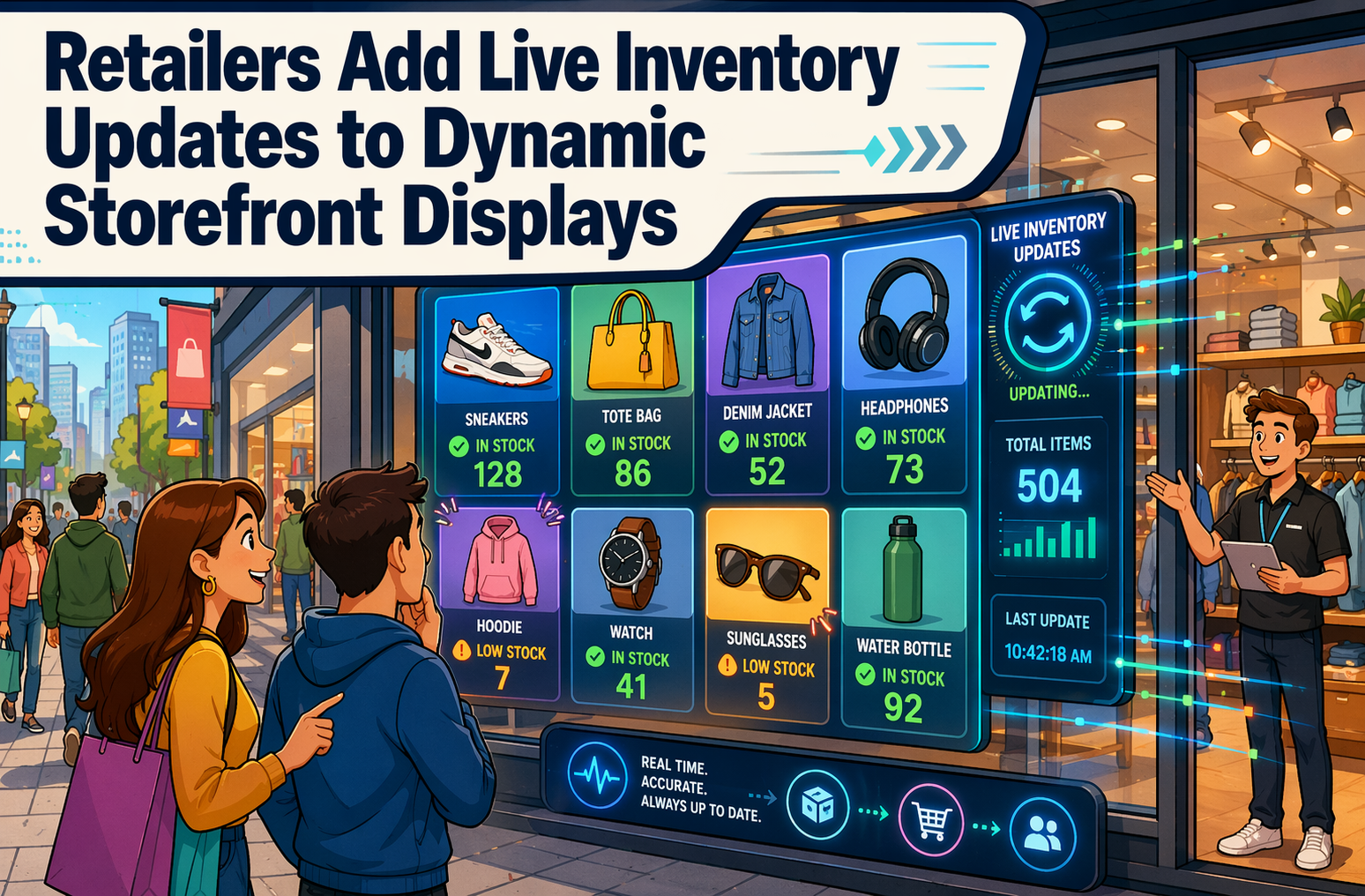
Quick Summary: Retailers are now linking their inventory systems directly to storefront displays, allowing real-time updates that hide out-of-stock items and highlight in-stock products. This improves customer trust, reduces frustration, and streamlines staff workflows by ensuring screens accurately reflect available stock. The technology relies on fast data flows from POS, ERP, RFID, and cloud systems, making store displays more responsive and reliable.
Retailers in 2026 are pushing Live Inventory Updates into Dynamic Storefront Displays. New rollouts from OnQ, Hanshow, and Vusion show Live Inventory Updates can hide out-of-stock items, boost in-stock products, and keep messaging honest. That matters fast. Stale screens waste traffic, hurt trust, and send shoppers to empty shelves. We track this space closely, and this piece explains how Live Inventory Updates connect to display platforms, what powers the link, and why it now fits real Retail Store Automation plans.
Retail Systems Are Now Feeding Storefront Displays in Real Time
What retailers are doing with the live feed
Retailers are linking POS, inventory, and shelf systems straight to storefront screens. That means promos change when stock changes, and out-of-stock items can disappear fast. In 2026, OnQ said its AS/400 integration was live across Costco’s 610 U.S. clubs, letting displays suppress unavailable SKUs and push in-stock items first, according to VentureBeat’s coverage of the rollout.
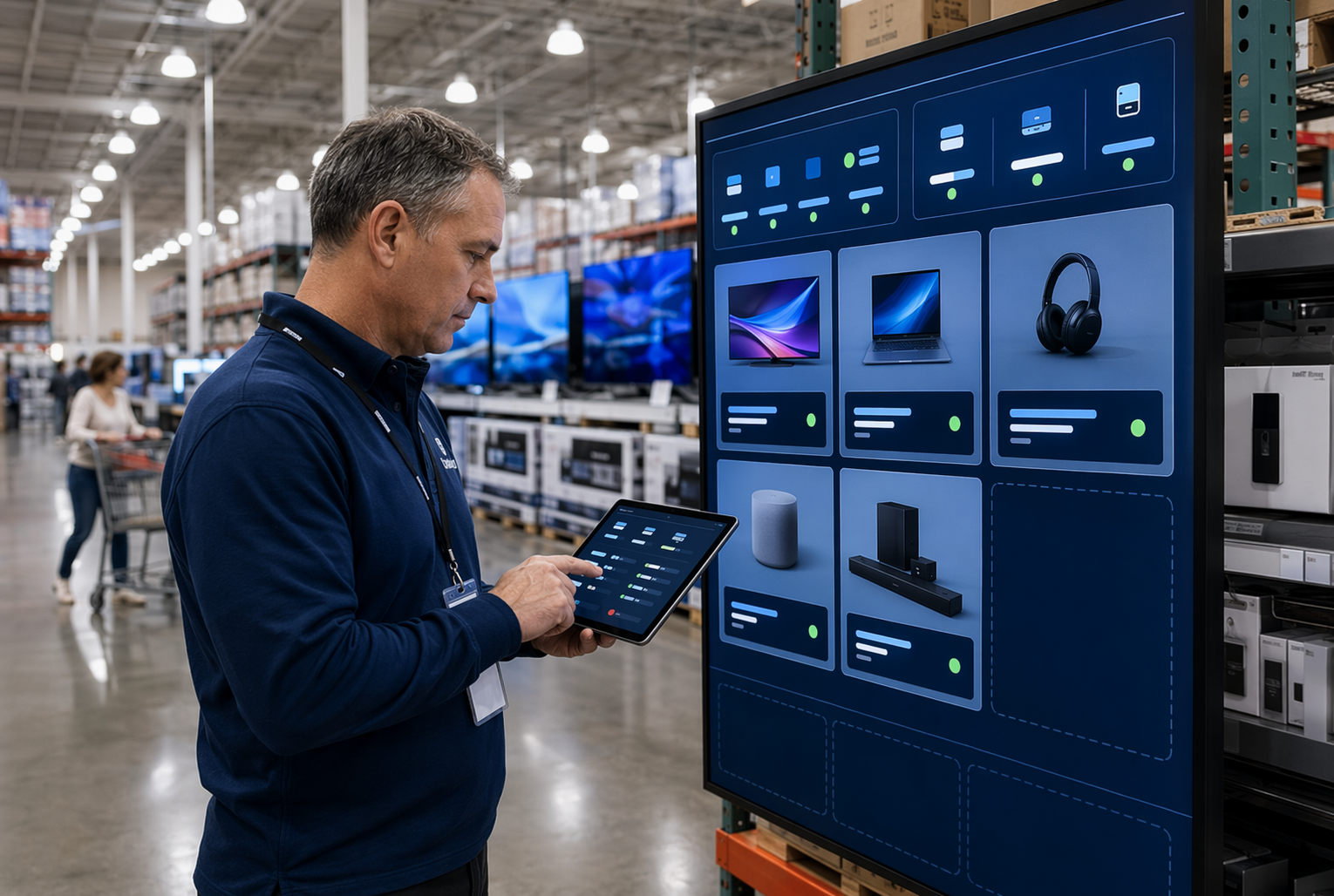
- Common live inputs:
- stock count
- price changes
- promo rules
- store-level demand
Why this matters on the sales floor
This cuts a basic retail problem: screens promising items the store cannot sell. Hanshow says its NRF 2026 shelf system helps stores detect missing or misplaced products in real time with over 95% accuracy, as shown in its NRF 2026 launch release.
When storefront content matches real stock, staff answer fewer frustrated questions and shoppers trust the offer faster.
- Sales floor gains:
- fewer wasted clicks and scans
- better promo timing
- less manual sign swapping
Also Read: 10 Effective Strategies to Optimize Your Dynamic Storefront
The Tech Stack Behind Live Inventory Updates
Live inventory works when one source of truth feeds every display fast. Most teams start with an ERP, WMS, or commerce backend, then add middleware to sync stock events to storefront APIs, kiosks, and in-store screens. A 2026 DEV breakdown points to PostgreSQL for core records, Redis for fast reads, and a message queue so updates move without blocking checkout or picking flows (inventory stack overview).
- Core layers usually include:
- Inventory system
- Middleware and event bus
- Display delivery layer
If your cache becomes the truth, stock errors spread fast.
Cloud and sensing layers sharpen speed and accuracy. Oracle said in 2026 that new SCM agents now automate inventory tasks inside cloud workflows (Oracle supply chain AI update). MIT also reported RFID-based item tracking in 700+ stores across 15 countries, showing why sensors matter when shelf data lags backend counts.
| Layer | Job | Risk if weak |
|---|---|---|
| Cloud AI | Predict gaps and reroute tasks | Slow decisions |
| RFID and sensing | Confirm item location | False availability |
| Display logic | Show current stock by store | Customer distrust |
Also Read: Dynamic Storefront 2026: How Data Quality Shapes Retail Visibility
What Retailers Gain When Displays Match Stock
Fewer dead ends for shoppers
When storefront displays show what is truly in stock, shoppers hit fewer dead ends. They trust size, color, and pickup claims, so they commit faster and ask staff fewer rescue questions. That matters because retailers now lose 6.4% of gross sales to in-store operational failures, with out-of-stocks among the fastest-growing issues, according to EMARKETER’s 2026 report.
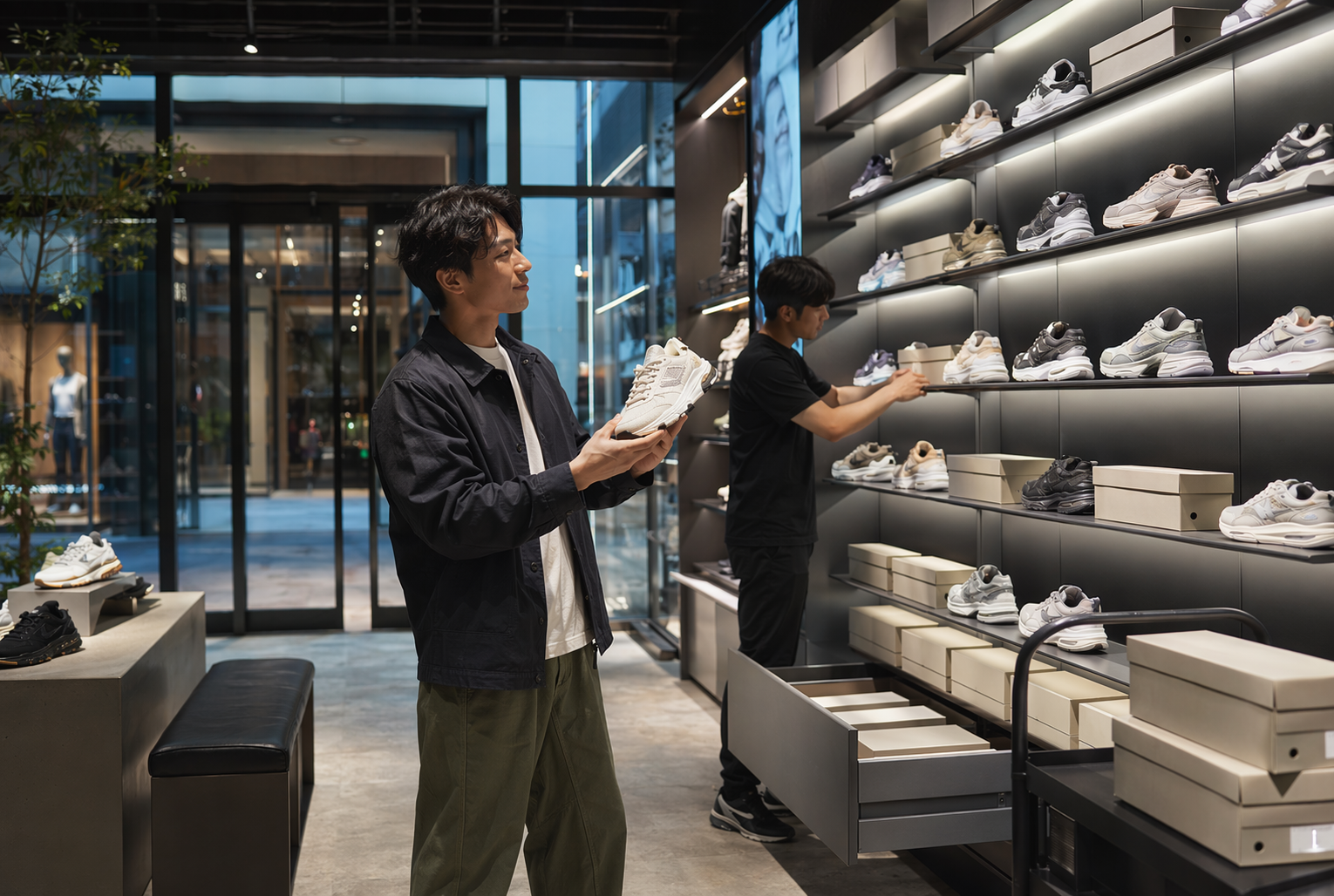
If your display promises an item, your shelf and pickup flow need to agree.
Operational gains for store teams
Store teams win too. Live stock data cuts manual checks, avoids wasted backroom trips, and helps staff focus on selling. MIT reports that about 50% of working hours in retail stores can go to inventory management, and better real-time tracking helps reduce that drag in active stores per MIT News. In plain terms, synced displays turn inventory from a guessing game into a cleaner daily workflow.
Also Read: How to Build a Dynamic Storefront for Maximum Conversion
How the Market Reached This Point
Retail got here in two steps. First, stores swapped paper signs for digital shelf labels. Walmart said it plans to put digital price tags in all U.S. stores by the end of 2026, showing how fast the base layer is spreading across retail. Next, vendors pushed those labels beyond pricing into real-time shelf data and action. At NRF 2026, SAP and others framed inventory, pricing, and promotions as one live retail system instead of separate tools.
Turn live inventory into live revenue. Kandid helps shoppers act fast with accurate answers, product guidance, and always-on sales support.
Frequently Asked Questions
Q1: How are retailers integrating live inventory updates into dynamic storefront displays?
They connect POS, ERP, and e-commerce stock feeds to in-store screens and digital signage. Rules then swap creative by store, SKU, and stock level, so shoppers see what is available now, not what sold out an hour ago.
Q2: What technologies are enabling real-time inventory updates in retail storefronts?
Retailers use APIs, event-based data sync, RFID, barcode scanning, and cloud middleware. The key is fast data flow between inventory systems and display software, plus failover rules when counts lag or a feed drops.
Q3: How can live inventory updates improve customer experience and sales in retail stores?
They cut shopper frustration, reduce wasted staff time, and push buyers toward in-stock items. That means fewer dead-end visits, better conversion, and stronger trust because the display matches what customers can actually buy.
Conclusion
Live inventory updates make storefront displays useful, not just flashy. Retailers now use rules-based signage to hide out-of-stock items and match screen content to real stock, as shown by Total Retail and invidis.