Real-Time Shopping Setup Guide for Retail Stores
Quick Summary: Retail stores can improve sales and operations by integrating AI, live shopping, and chat systems into a real-time platform. This setup helps monitor shelf compliance, answer customer questions, and track inventory instantly. Starting with small pilots allows stores to refine processes before scaling. Combining these tools boosts conversion rates, reduces stockouts, and enhances overall store performance.
A retail store can miss a live sale when stream overlays lag by three seconds, or lose a shelf sale when a planogram error hides the hero SKU. This guide fixes that gap. It shows how Retail Store AI, Live Shopping Software, and a Shopping Chatbot work as one system. We have seen Retail Store AI fail in silos. Strong teams use Retail Store AI to connect shelf, chat, and live demand.
1. Define the real-time shopping use case for your store
Start with one buying problem, not one tool. Real-time shopping works best when you match the setup to how shoppers hesitate, compare, and ask questions.
Match the use case to the channel
Use live shopping for demos, launches, and urgency. Use shopping chat for spec questions, fit help, and product comparison. Gorgias reports 1 in 7 shopping assistant conversations ends in an attributed order, which makes chat a strong fit for considered purchases according to its 2026 research.
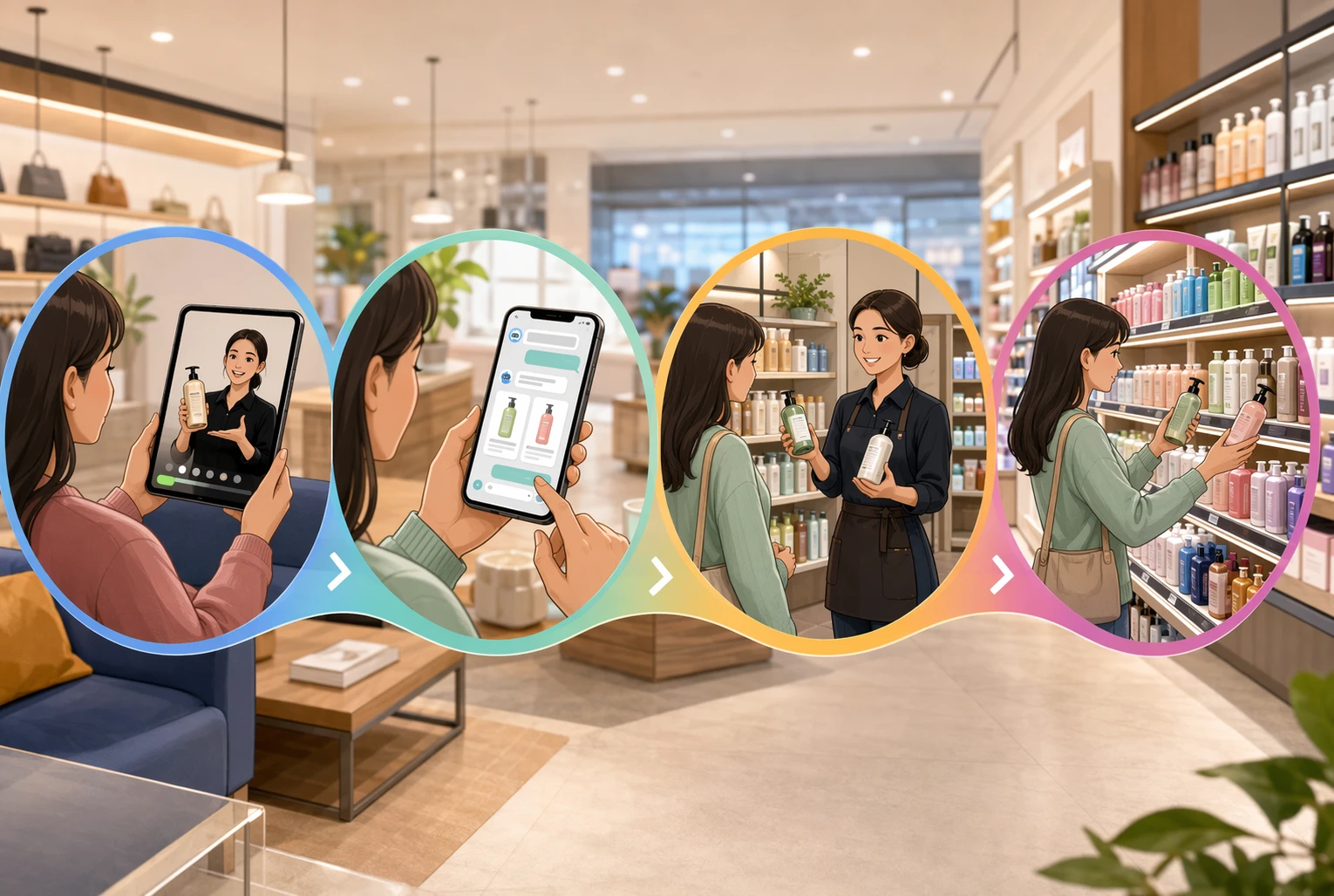
If your store sells technical, high-consideration products, start with chat before live events.
Choose the KPI that matters most
Pick one primary KPI per use case:
- Conversion rate for pre-purchase guidance
- AOV for bundles and upsells
- Response coverage for 24/7 sales help
Frontdesk cites +8% to +15% storefront conversion lift from AI live chat in 2026 in its retail benchmark report. Kandid fits well here when you need always-on answers tied to catalog logic, not generic chat.
Also Read: Real Time Shopping vs Static Browsing for Conversion
2. Build the real-time stack: content, chat, inventory, and shelf intelligence
Start with one clean product feed. Your catalog, bundles, specs, store stock, and promo rules must match across site, chat, and ads. Static uploads break fast. Vectrant’s guide shows why live sources beat copied content for retail AI.
Add a shopping chatbot that can read page context, answer product questions, and pull live stock before it recommends anything. Kandid fits here if you need a sales agent that handles specs, fit, and buying doubt, not just FAQ replies.
Connect inventory and shelf signals last, but treat them as the source of truth. Your bot should check sellable stock, store-level availability, and delivery promise in real time. Shelf intelligence matters too - MIT News reports retailers still lose major labor time to inventory work, which is why live shelf data helps close the gap between system stock and what is really on the floor.
Also Read: 15 Real Time Shopping Features Enhancing Customer Engagement
3. Set up in-store compliance monitoring and automation
Use computer vision to spot empty facings, wrong product placement, price tag gaps, and promo misses from shelf images. A 2025 Scientific Reports deployment across 7,000-plus 7-Eleven stores showed strong shelf and product detection at scale with real-time planogram compliance. Start with high-risk aisles:
- Fast-moving items
- Promo bays
- New launches
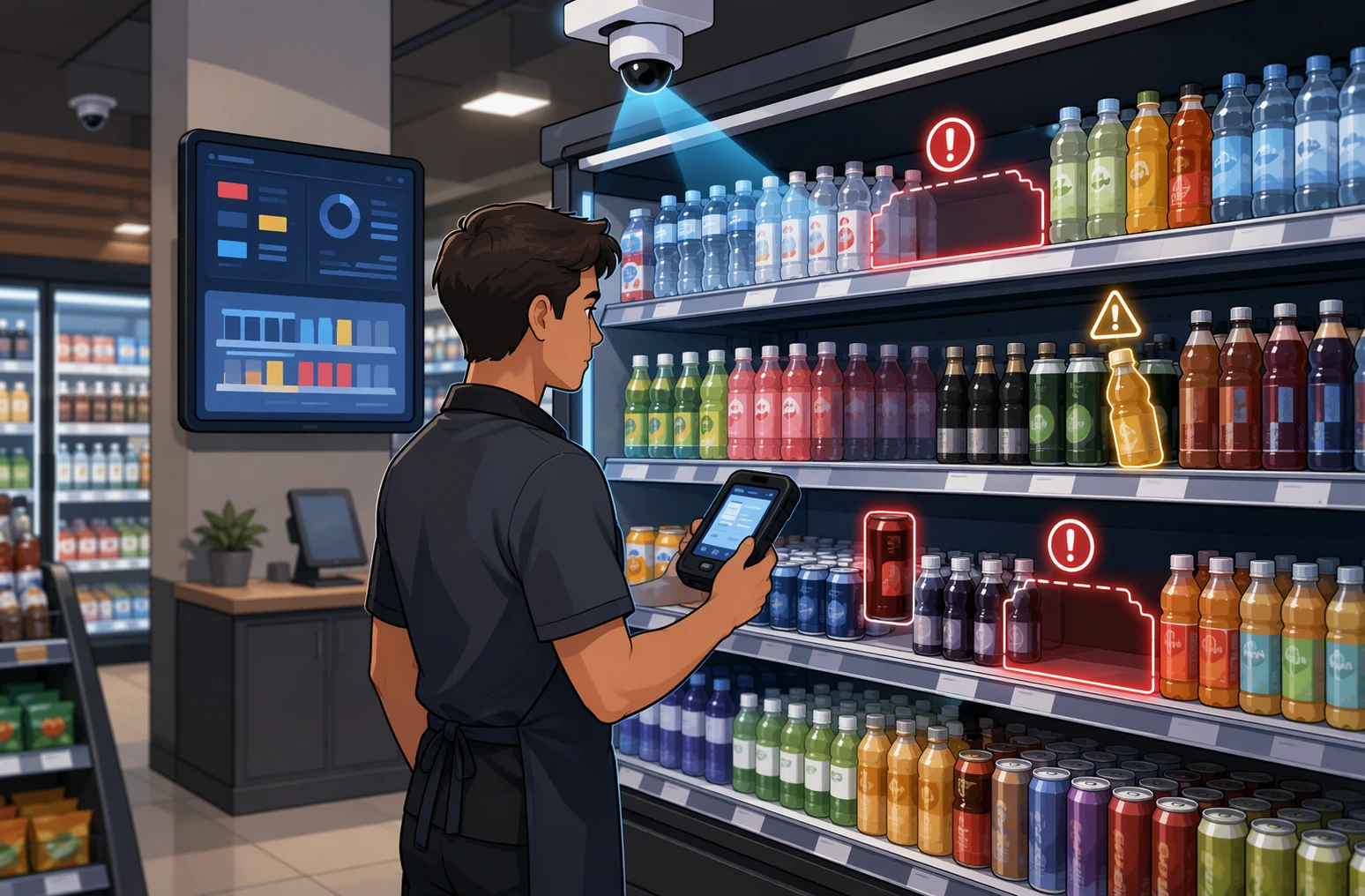
Turn alerts into store actions fast. Do not stop at dashboards. Route each issue to the right team with:
- Store and aisle location
- Photo proof
- Fix type
- Due time
If alerts do not create tasks, you built reporting, not operations.
Measure the operational impact weekly. Track out-of-stock rate, time to fix, repeat issues, and sales lift by aisle. A 2024 study notes a global average out-of-stock rate of 8.3% and shows better detection can improve shelf availability with deep learning shelf monitoring.
Also Read: Real Time Shopping Feed Optimization for Faster Product Updates
4. Launch, measure, and scale the program
Pilot before you scale. Start with 5 to 10 stores, one product category, and one clear goal. Run the test for 6 to 8 weeks. A small pilot helps you fix staffing, scripts, feed quality, and handoff issues before rollout. Use a control group so you can prove lift, not just activity.
Track both shopper and store metrics. Watch conversion, AOV, response time, and repeat visits. Also track stockouts, shelf accuracy, task completion, and store-level sales. NielsenIQ lists sales, pricing, distribution, and promotion as core retail measures in RMS, while retail KPI guidance highlights traffic, conversion, and stockouts.
Ready to turn real-time shopping into revenue? Kandid helps D2C teams launch AI sales agents fast, answer buyer questions live, and lift conversion without adding headcount.
Frequently Asked Questions
Q1: How does real-time AI improve in-store compliance monitoring for retail brands?
It spots shelf gaps, wrong pricing, missing labels, and display errors as they happen. Teams fix issues faster, reduce lost sales, and keep store execution closer to brand rules across locations.
Q2: What are the key technologies enabling real-time retail store compliance tracking?
The core stack includes computer vision, edge cameras, IoT sensors, POS feeds, inventory systems, and alert workflows. AI ties these signals together so managers see problems fast and act before they spread.
Q3: How can retail stores leverage AI and IoT sensors to prevent stockouts and planogram violations?
Use shelf sensors and camera feeds to track stock levels and product placement in real time. Set alerts for low stock, misplaced items, and empty facings, then route tasks to store teams right away.
Conclusion
Real-time shopping works best as one system. Tie live commerce, chat, and shelf checks together. That fits NRF’s 2026 retail view and Accenture’s agentic commerce shift.