10 Effective Strategies to Optimize Your Dynamic Storefront
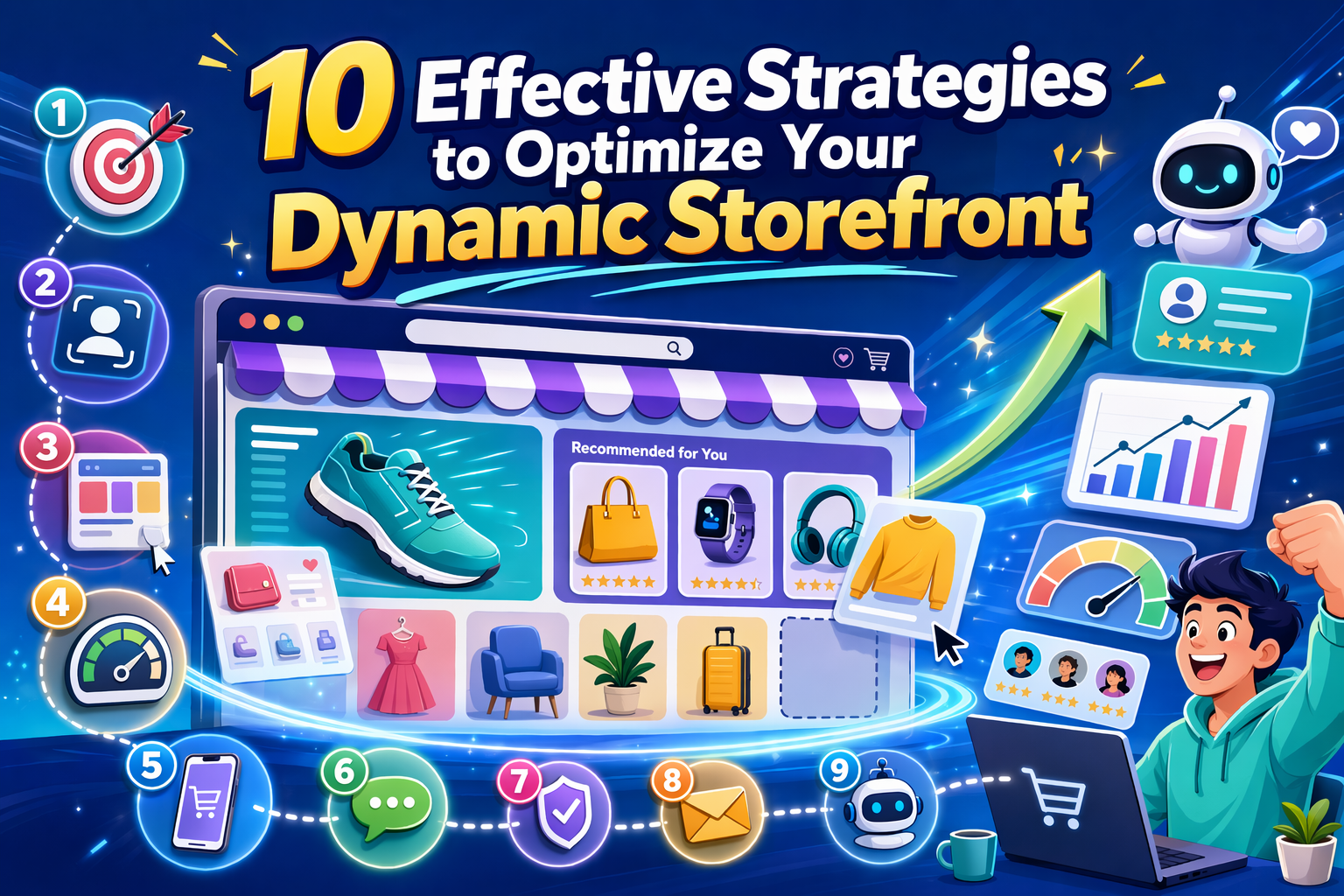
Quick Summary: A dynamic storefront adapts in real time to shopper intent, stock, and behavior, boosting conversions and engagement. Key strategies include AI sales agents for guided selling, personalized product displays, real-time merchandising, and improved search. Implementing these moves helps stores respond faster to customer needs and reduces missed sales opportunities.
A dynamic storefront should react before shoppers leave. It should match intent, adjust to inventory, and answer questions fast. Too many stores still lean on static pages, broad recommendations, and slow support, which hurts Ecommerce Conversion. This guide ranks ten Storefront Optimization moves by impact, speed, and fit for modern teams. You will see how Storefront Optimization ties together merchandising, personalization, AI Sales Agents, analytics, and sharper Storefront Optimization.
Quick Comparison
| Strategy | Best for | Primary impact | Implementation effort | Best-fit team |
|---|---|---|---|---|
| AI sales agents on-site | High-consideration D2C catalogs | Higher conversion from guided decisions | Medium | Ecommerce and CX teams |
| Real-time product personalization | Stores with varied customer intents | Higher relevance and engagement | Medium | Growth and ecommerce teams |
| Dynamic merchandising and catalog prioritization | Brands with changing inventory and demand | Better product visibility and sales efficiency | Medium | Merchandising and growth teams |
| Search and discovery optimization | Large or complex catalogs | Faster path to relevant products | Medium | Ecommerce and search teams |
What to know about dynamic storefront optimization
A dynamic storefront changes what shoppers see based on intent, stock, device, location, and behavior. It does not show the same path to every visitor. That matters because buyers expect fast answers, relevant products, and fewer steps.
For ecommerce teams, this shapes conversion rate, average order value, and support load. In 2026, rising ad costs and tighter margins make every session count. A storefront that adapts in real time helps you sell more without forcing more traffic.
1. AI sales agents on-site
AI sales agents turn browsing into guided selling. They answer questions, compare options, and recommend products inside the storefront, much like Shopify describes AI personal shoppers.

Highlights
- Real-time answers
- Intent-based recommendations
- 24/7 guided selling
- Less hesitation at peak traffic
Specs
- Best for: High-consideration D2C catalogs
- Primary impact: Higher conversion from guided decisions
Pros
- Scales expert selling 24/7, like virtual shopping assistants embedded on-site
Cons
- Needs clean product data and guardrails
It ranks first because it fixes unanswered buying questions fast, at scale.
Last updated: June 27, 2026
Also Read: Dynamic Storefront Review: How AI-Powered Storefronts Are Reshaping Ecommerce in 2026
2. Real-time product personalization
Personalization makes the storefront react to what shoppers do right now. It changes product order, modules, and messages based on live behavior, location, and intent, which matches how Etsy uses recent actions for more relevant ranking.

Highlights
- Re-ranks products and content by live intent
- Supports location-aware and persona-aware paths
- Improves discovery and engagement, as shown in whole-page personalization research
Specs
- Best for: Stores with varied customer intents
- Primary impact: Higher relevance and engagement
- Implementation effort: Medium
Pros
- Feels tailored
- Can lift AOV and click-through rate
Cons
- Needs clean behavior data
- Bad rules can create mixed experiences
It ranks here because a dynamic storefront only works when the page adapts in-session.
Last updated: June 27, 2026
Also Read: How to Build a Dynamic Storefront for Maximum Conversion
3. Dynamic merchandising and catalog prioritization
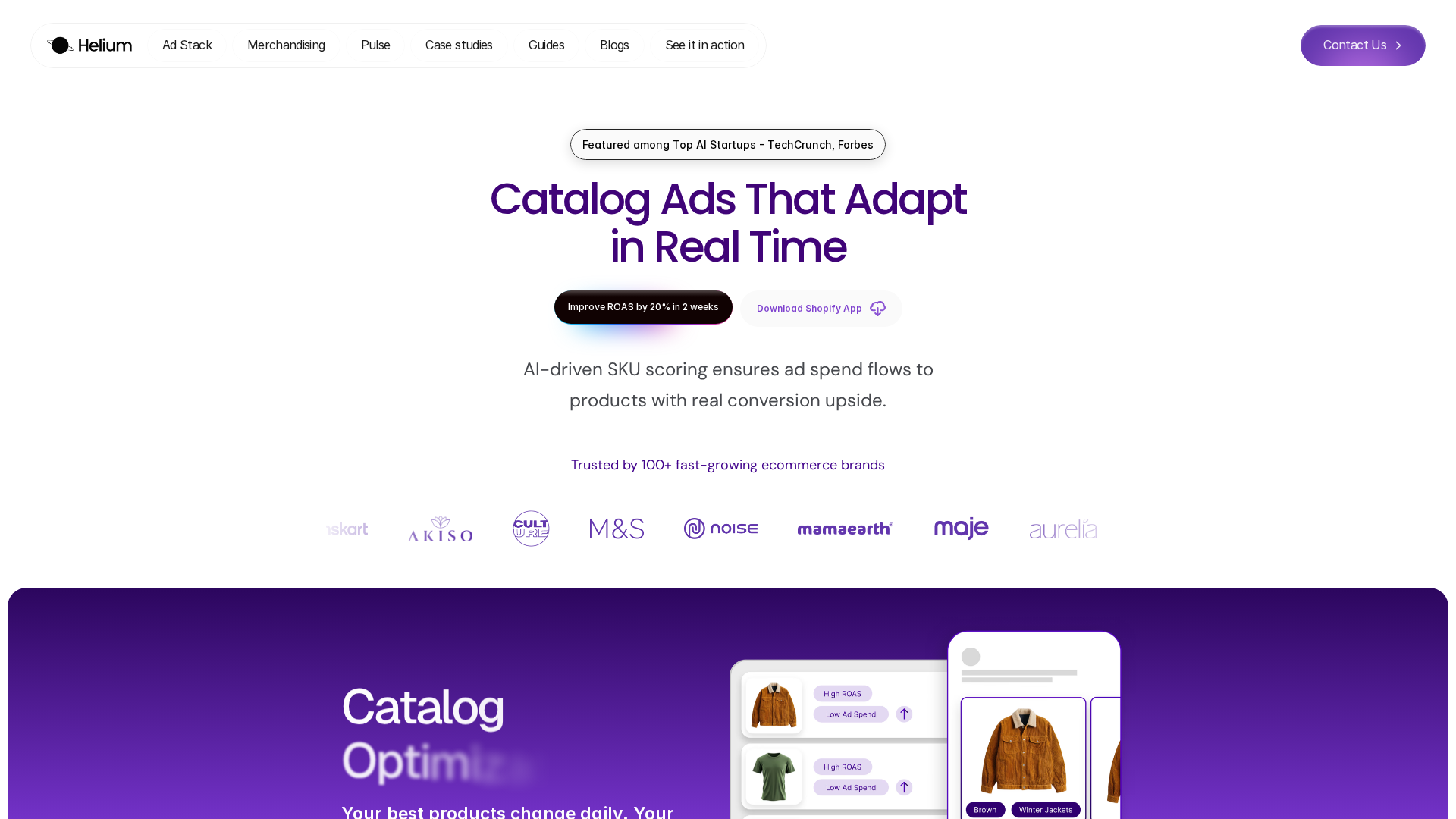
Dynamic merchandising decides which SKUs deserve prime placement right now. It uses live demand, stock, and momentum signals to push winners up and weak products down, much like Adobe Commerce merchandising rules and Kibo’s search and merchandizing model.
Highlights
- Prioritizes high-performing products in real time
- Accounts for stock, demand, and buying momentum
- Supports smarter category and collection ordering
- Helps reduce wasted clicks on weak SKUs
Specs
- Best for: Brands with changing inventory and demand
- Primary impact: Better product visibility and sales efficiency
- Implementation effort: Medium
- Best-fit team: Merchandising and growth teams
- Dynamic storefront role: Live catalog ordering
Pros
- Keeps the storefront commercially current
- Reduces exposure to low-converting products
- Supports margin-aware promotion
Cons
- Needs frequent data refreshes
- Can underperform if product scoring is too rigid
It ranks third because product visibility changes fast and often lifts conversion quickly.
Last updated: June 27, 2026
Also Read: 7 Dynamic Storefront Features to Boost Your Online Sales
4. Search and discovery optimization
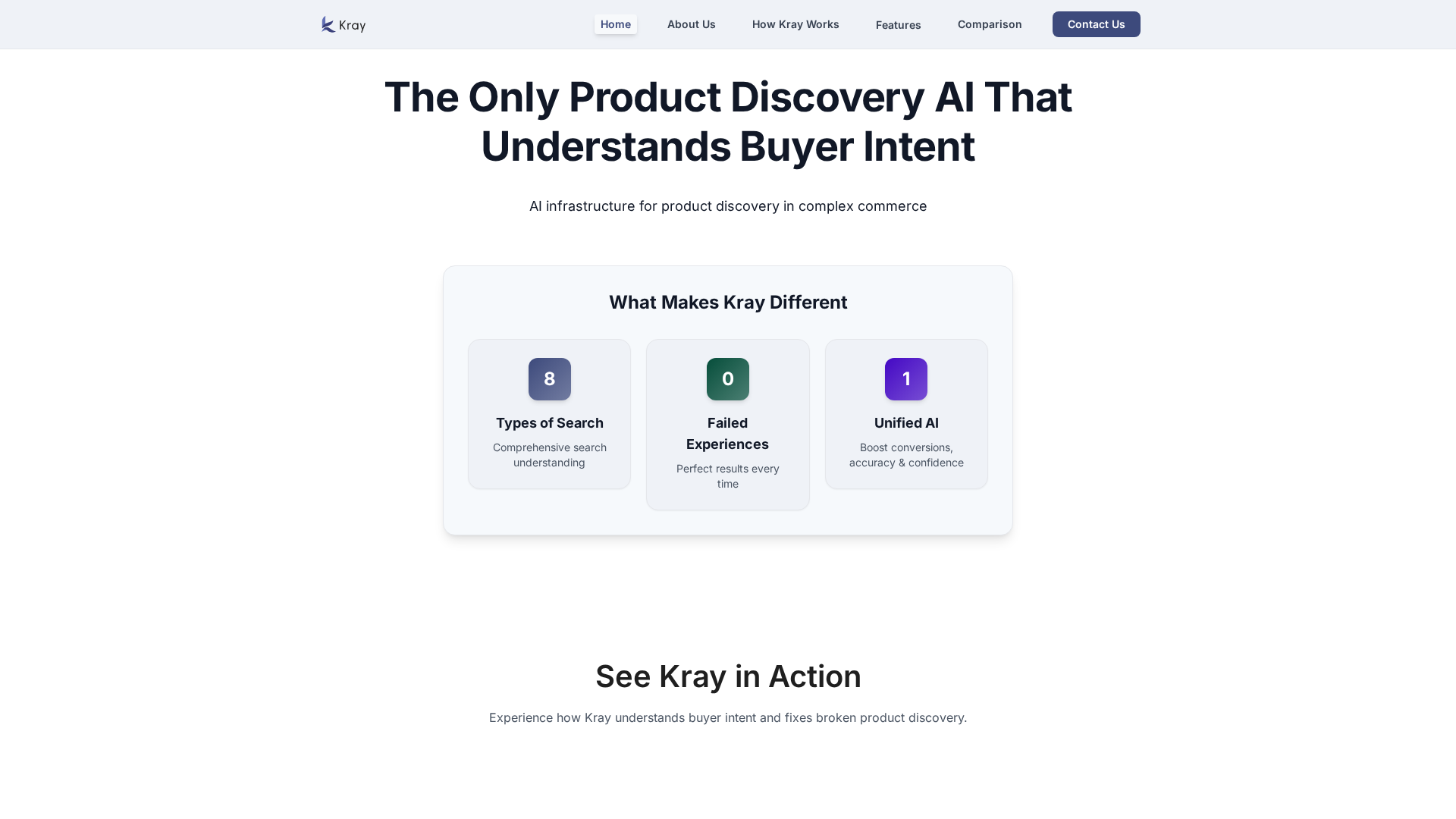
A dynamic storefront needs search that reads intent, not just keywords. Shoppers search by symptom, fit, or use case, and better discovery cuts dead ends. Google Cloud research shows weak search drives exits, while intent-aware commerce search improves relevance.
Highlights
- Handles zero-result and weak-result searches better
- Speeds product discovery across large catalogs Specs
- Best for: Large or complex catalogs
- Primary impact: Faster path to relevant products
- Implementation effort: Medium
- Best-fit team: Ecommerce and search teams
- Dynamic storefront role: Intent-led discovery
Pros
- Reduces poor-search frustration
- Helps unclear queries find better matches
Cons
- Needs clean taxonomy and strong metadata
It ranks fourth because search captures high-intent demand that often converts fast.
Last updated: June 27, 2026
Honourable Mentions
If your core conversion stack is already working, these extra moves can still lift revenue.
- 9. Frictionless checkout and cart rescue - Recover hesitant buyers with reminders, smart prompts, and timely re-engagement before they drop.
- 10. Brand voice and trust guardrails - Keep automated guidance accurate, compliant, and on-brand so every shopper gets consistent help.
How to choose the right strategy for your store
Pick the strategy that fixes your biggest leak first. Do not start with everything.
- Lots of pre-buy questions? Start with an AI sales agent. Kandid fits well for technical or high-consideration catalogs.
- High browse, low discovery? Start with search and merchandising.
- Complex catalog? Choose guided selling if you sell variants, bundles, or compatibility-based products.
- Weak data? Fix feeds, inventory, and behavior tracking before heavy personalization.
- Need fast wins? Launch one change, measure lift, then add analytics or personalization.
- Cross-channel journey? Add continuity across site, WhatsApp, Instagram, and email.
Set brand rules, human handoff, and fallback paths before any AI rollout.

Turn these storefront fixes into revenue. Kandid helps shoppers choose faster with real-time AI sales agents. See how it lifts conversion, AOV, and ROAS.
Frequently Asked Questions
Q1: What are the most effective strategies to optimize a dynamic storefront for increased conversions?
Focus on speed, strong search, clear product data, smart merchandising, mobile UX, and fast checkout. Use testing and analytics to spot drop-offs.
Q2: How can AI sales agents improve user engagement and boost sales on a dynamic storefront?
AI sales agents answer product questions, compare options, and guide buyers in real time. Kandid fits well when shoppers need help with specs, compatibility, or choice overload.
Q3: What technical optimizations are essential for enhancing real-time updates and customer experience in a dynamic storefront?
Prioritize fast page loads, stable APIs, accurate inventory sync, clean event tracking, and reliable search indexing. Bad data breaks trust fast.