AI Sales Agents vs Human Reps: Lead Qualification
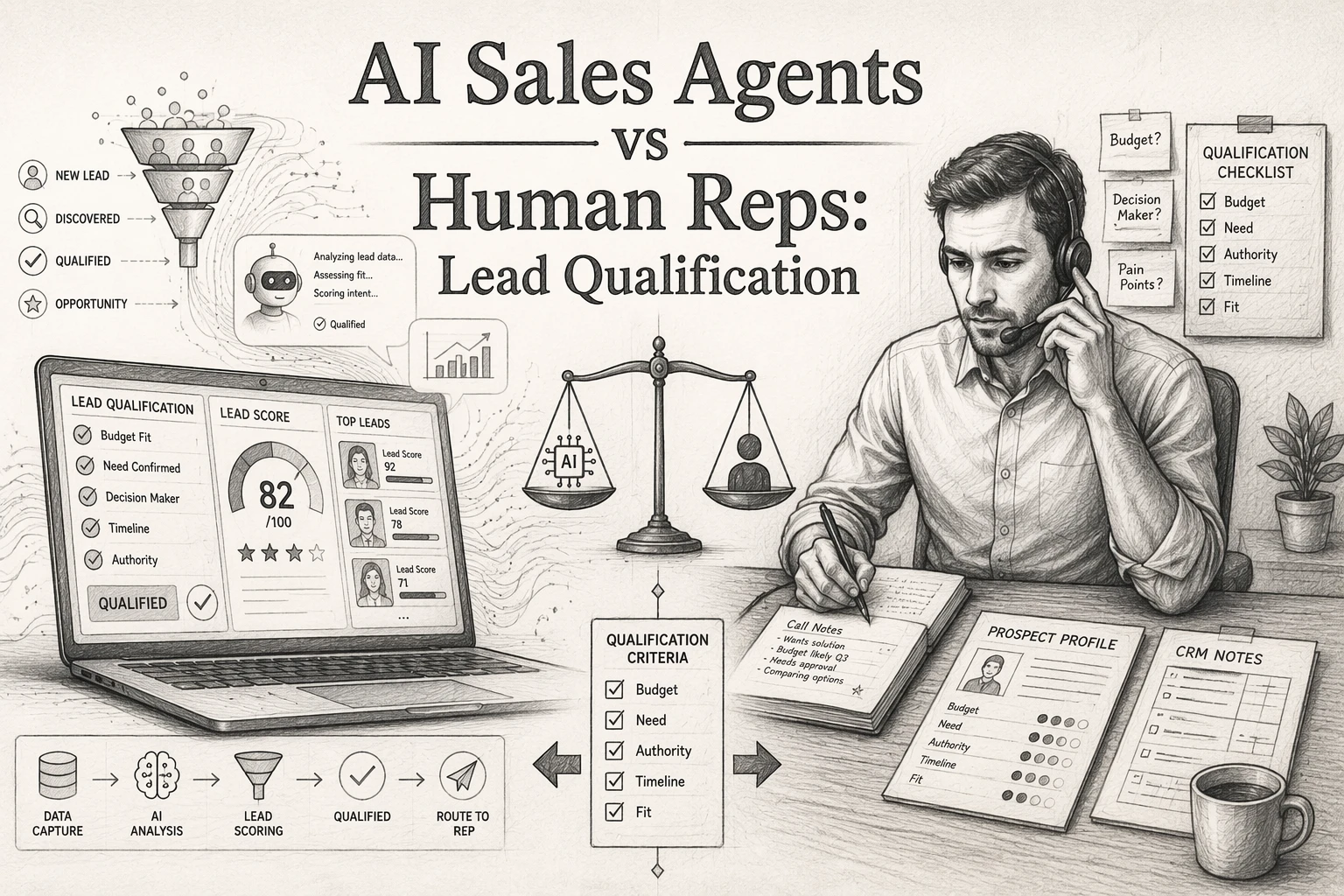
Quick Summary: AI sales agents excel at quick, 24/7 lead qualification and handling high-volume inquiries, making them ideal for D2C brands with heavy traffic. Human reps are better for complex, nuanced, or high-value deals that require judgment and empathy. The best approach combines AI for speed and scale with humans for trust and nuance, especially during edge cases or high-stakes conversations.
For D2C brands handling after-hours product questions, AI sales agents beat reps on speed and steady screening. Human reps still win when deals are complex or high value. Teams selling EVs, beauty, and personal care need the right mix fast. We have reviewed Lead Qualification Tools, Sales Automation Software, and AI Sales Platforms in real buying flows, so this comparison shows where Lead Qualification Tools fit best.
AI Sales Agents vs Human Reps for Lead Qualification: At a Glance
| AI sales agents | Human reps | |
|---|---|---|
| Speed to first response | Instant, 24/7 | Depends on staffing hours |
| Qualification consistency | Highly consistent | Varies by rep and workload |
| Handling complex objections | Strong on common questions, weaker on edge cases | Excellent for nuanced cases |
| Scalability during peak traffic | Scales without headcount | Limited by headcount |
| Best fit | High-consideration D2C and e-commerce lead capture | Complex, high-touch, or exception-heavy sales |
How AI sales agents and Human reps Compare
AI sales agents
AI sales agents are always-on Lead Qualification Tools for brands that need instant replies and steady screening. They fit high-consideration D2C teams that want scale without adding headcount.
Human reps
Human reps are people-led Lead Qualification Tools built for nuance, judgment, and odd edge cases. Forrester’s 2026 predictions note buyers still want human expertise for validation in complex decisions.
Speed, Coverage, and Response Time
Why the first response decides whether a lead stays warm
Speed matters because intent fades fast. The MIT-InsideSales study found teams that replied within 5 minutes were 21 times more likely to qualify a lead than teams that waited 30 minutes, according to the lead response management study. For D2C brands, AI agents win on:
- 24/7 coverage
- instant first replies
- high-volume handling
That is where tools like Kandid help. They catch product questions the moment they appear.
If your store sells high-consideration products, a fast first reply keeps buyers from bouncing to a competitor.
Where human coverage still matters
Human reps still matter when the lead needs:
- judgment
- empathy
- deal-specific context
Use people for edge cases like bulk orders, unusual compatibility questions, or angry customers. LeanData notes many buyers expect quick replies, so AI should cover nights, weekends, and spikes, while humans take over when nuance affects the sale in the B2B response time playbook.
Also Read: Top 10 AI Sales Agents Transforming Business Growth Worldwide
Qualification Quality, Consistency, and Handoff
AI wins on structured discovery. It asks the same fit, need, and timing questions every time, so weaker leads do not slip through on a busy day. That matters when one report found 78% of B2B SaaS funnels now use conversational qualification before scheduling (Perspective AI). Human reps still win on conversational intuition. They catch hesitation, mixed signals, and hidden blockers faster.
- AI is better for: repeatable intake, policy checks, transcript capture
- Humans are better for: nuance, trust, buyer politics
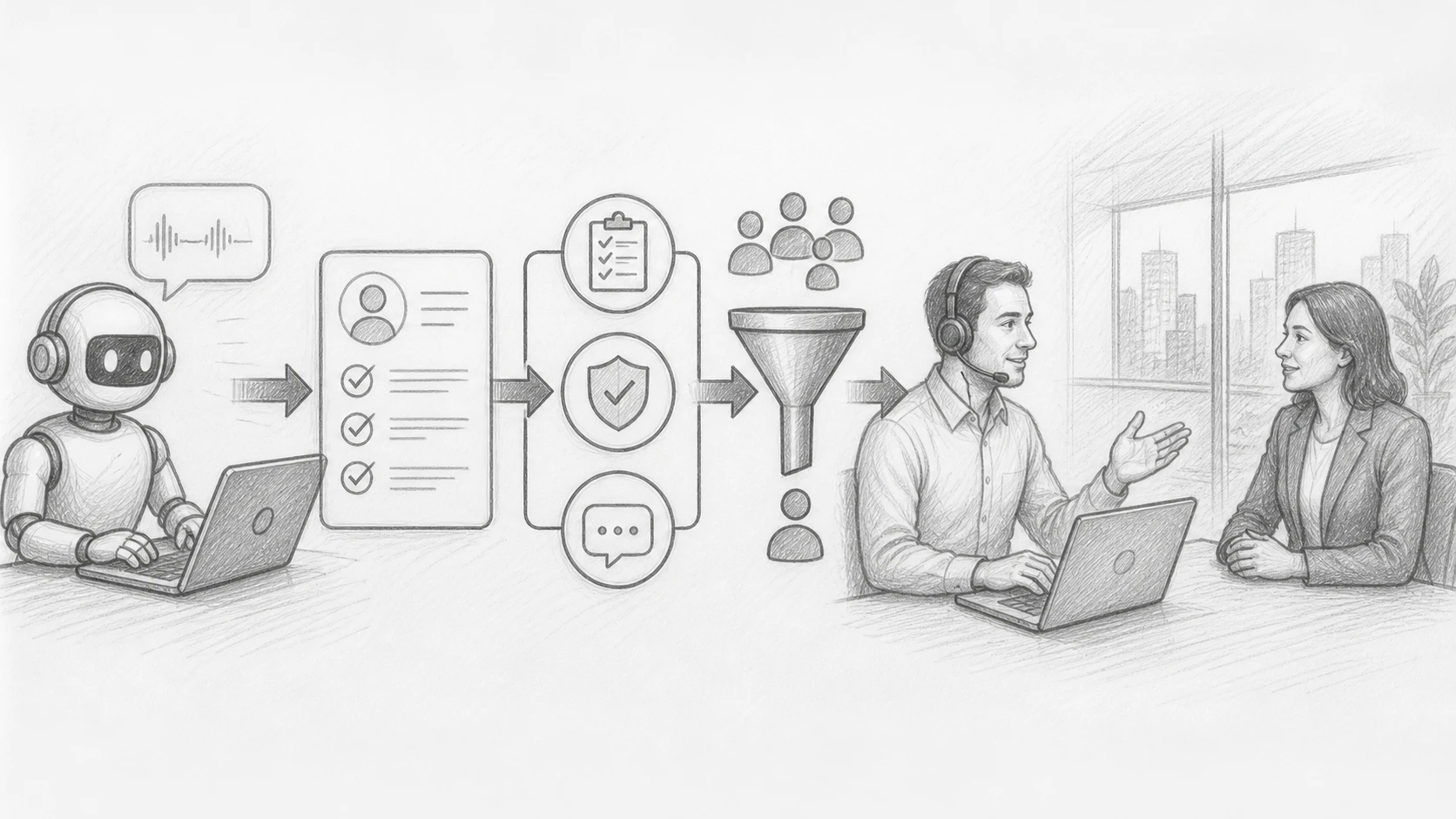
A clean handoff is simple:
- Pass the full transcript
- Summarize pain, urgency, and product fit
- Flag unanswered questions
- Assign clear owner and response time
If the buyer has to repeat themselves, your handoff failed.
Good handoff design matters because poor qualification handoff wastes AE time and hurts close rates, as noted in Skipcall's 2026 guide.
Edge cases still need a person:
- unusual compatibility questions
- pricing negotiation
- emotion, doubt, or frustration
- high-consideration carts with multiple decision makers
Also Read: AI Sales Agents: The Complete Revenue Operations Guide for 2026
Which Should You Choose for Lead Qualification?
Choose AI sales agents when your team misses leads, sells across time zones, or needs fast first response. Salesforce says AI agents can qualify leads and support prospects 24/7, while reps focus on relationship work in its 2026 launch note. For D2C brands with heavy traffic, that matters more than perfect nuance.
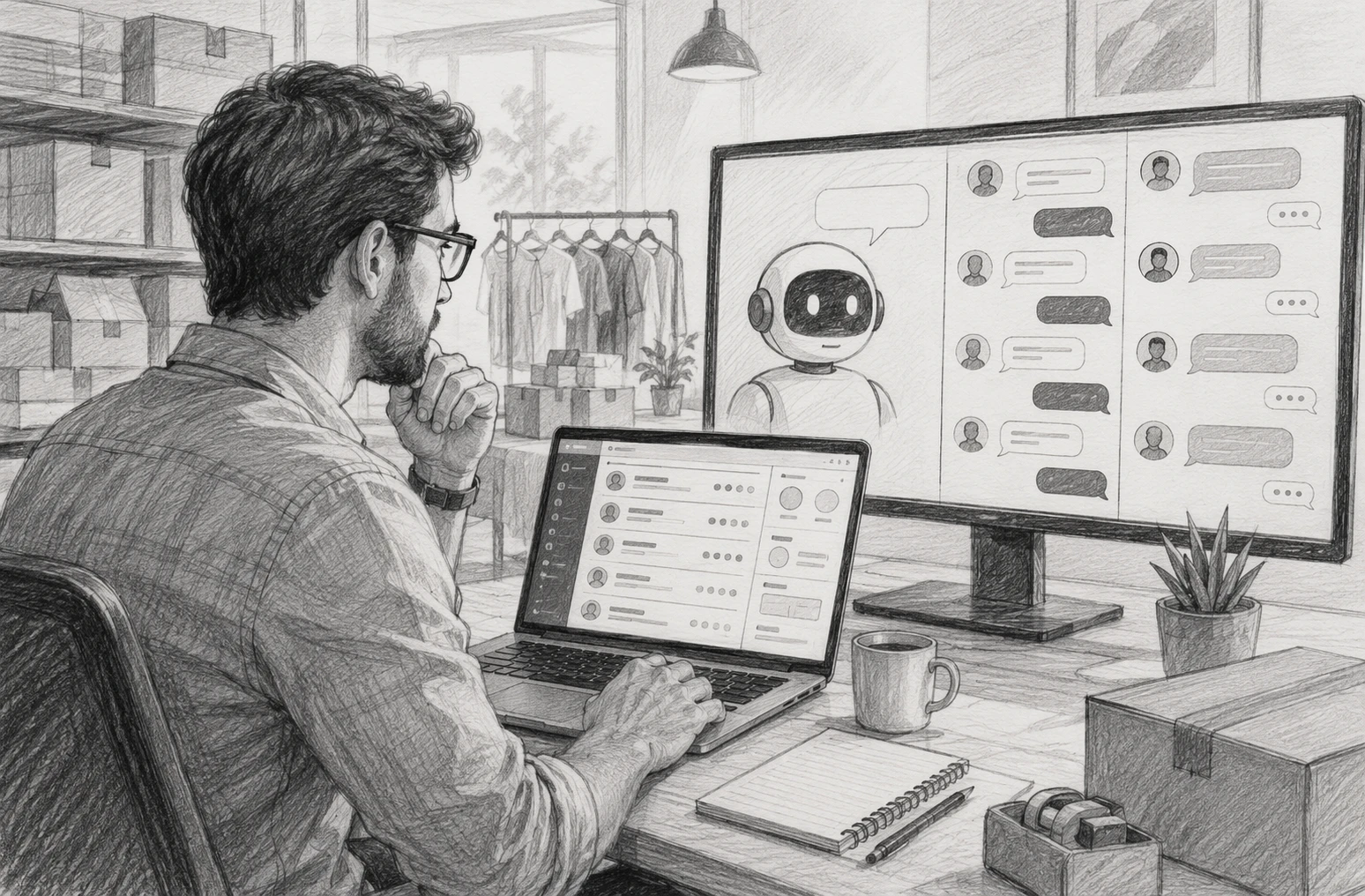
Choose human reps when the product needs trust, judgment, or layered discovery. If buyers ask about fit, safety, compatibility, or edge-case use, a person still handles the last mile better. > Best choice for most high-consideration brands: AI first, human second.
Need faster, better lead qualification for complex D2C products? See how Kandid turns high-intent traffic into qualified buyers, 24-7.
Frequently Asked Questions
Q1: How do AI sales agents enhance lead qualification compared to human reps?
They score intent fast, ask consistent questions, and reply 24-7.
Q2: What are the key benefits of integrating AI sales agents into B2C business workflows?
Lower response time, better routing, cleaner data, and less rep workload.
Q3: In what scenarios should D2C brands prioritize AI sales agents over human representatives?
Use AI for high traffic, simple fit checks, and after-hours coverage.
Conclusion
AI should handle speed, triage, and volume. Humans should handle nuance and trust. Gartner found buyers still validate AI with reps, while AI-guided teams grow faster according to Gartner.