Real-Time Shopping News: Brands Push Live Commerce Features
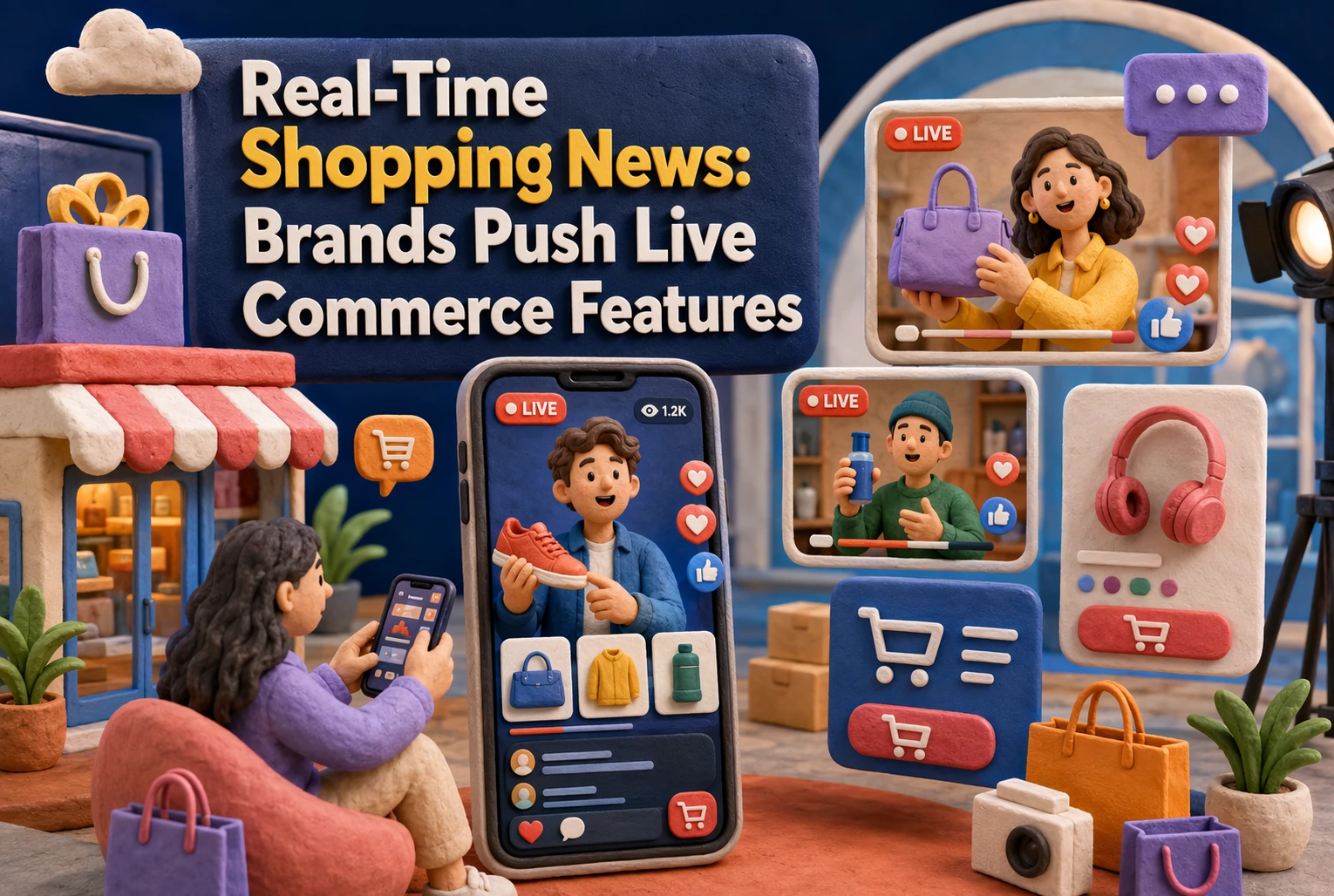
Quick Summary: Brands are integrating AI-driven features like real-time recommendations, instant answers, and post-stream automation into live commerce to improve conversion and scale. The focus is shifting from just streaming to faster discovery, guided shopping, and seamless checkout within one session. Success depends on measuring how these features reduce friction and boost metrics like conversion rate and average order value. Overall, live commerce is becoming more about search, guidance, and operational efficiency, with Kandid offering solutions for continuous shopper support.
Live Commerce moved deeper into the stack in 2026. Whatnot bought Shaped on July 15. Salesforce made Agentforce Commerce generally available on June 24. SHOPLINE and Samsung also pushed AI-led live shopping updates. The question for Real-Time Shopping teams is not whether Live Commerce can sell. It is which features lift conversion without adding heavy ops. This piece cuts into Live Commerce features that matter: AI Sales Agents, real-time recommendations, and post-stream automation.
Why Brands Are Adding AI to Live Commerce Now
What brands want is simple: better product matching while a stream is still live, not after it ends.
What Whatnot’s Shaped deal signals is speed. TechCrunch reported that Whatnot bought Shaped to improve real-time recommendations and search inside a marketplace where inventory, bids, and viewer intent change fast. For brands, that is the key lesson. Live commerce breaks when shoppers see the wrong item, join the wrong stream, or miss the right moment to buy.

Salesforce points to the merchant side of the same shift. In its 2026 launch, Salesforce said Agentforce Commerce adds shopper, buyer, and merchant agents tied to catalog, inventory, and order data. That matters because AI is moving from chat support to store operations:
- merchandising
- search relevance
- stock-aware answers
- promotion setup
If your team runs live drops, limited stock, or complex catalogs, AI is becoming core commerce infrastructure, not a nice add-on.
Also Read: Kandid Review: Is This the Best Real Time Shopping AI for Brands?
The Features That Are Winning in Live Commerce
The biggest winners are simple: fast answers, smart prompts, and less manual cleanup after the stream.
- Real-time answers and product callouts inside the stream
Shoppers buy faster when they can ask, get an answer, and act in one session. Whatnot’s 2026 Shaped deal shows why: the platform is pushing harder on real-time recommendations and search because live inventory and buyer intent change by the second.
- Post-live automation is becoming part of the feature set
Winning tools now keep selling after the host logs off. That means replay commerce, auto-saved product moments, FAQ follow-ups, and order help. Salesforce’s 2026 launch points the same way, with agents that handle product questions, order tracking, and storefront guidance as part of Agentforce Commerce. - Always-on live commerce is proving the model can scale
Brands do not need a human host every minute to keep the format working. The model scales when AI covers the long tail: product comparisons, spec questions, and fit checks between shows. That is where tools like Kandid fit best.
Also Read: Latest Developments in Real Time Shopping Globally 2026
How Brands Should Evaluate Live Commerce Features
Ask one hard question first: will this reduce friction or just add showmanship? Salesforce says brands that win will keep AI shopping on owned channels, where catalog, inventory, and checkout stay connected through the full journey in Agentforce Commerce. Pilot only if you can measure:
- Conversion lift
- AOV
- Response speed
- Post-show replay sales
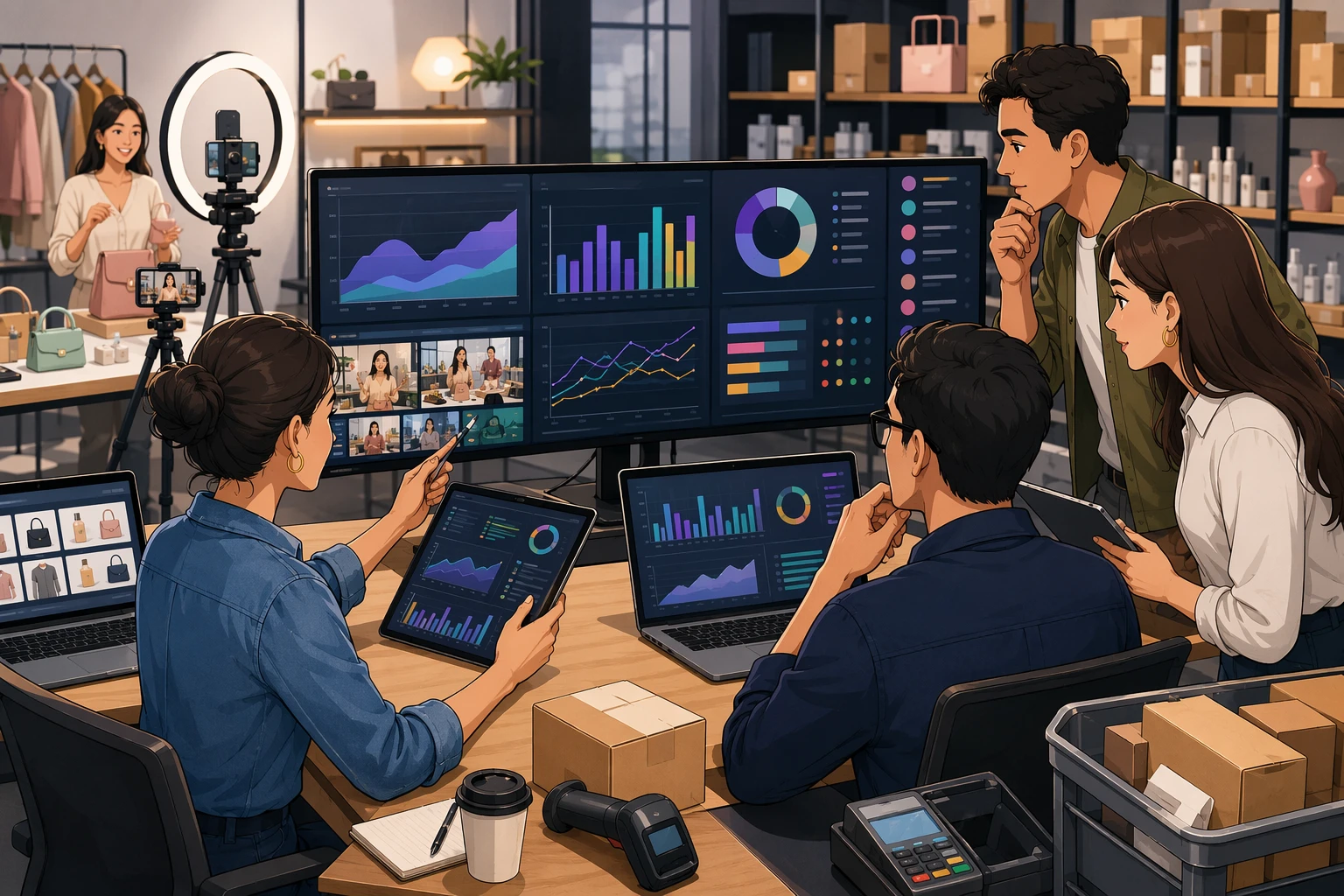
Whatnot's 2026 move to improve real-time recommendations shows the real issue is fast discovery, not just streaming tech, according to TechCrunch's Whatnot report.
- E-commerce owns goals and merchandising
- CX owns chat, moderation, and FAQs
- Ops owns inventory and fulfillment
- Tech/data owns attribution and integrations
If one team owns everything, rollout usually stalls.
Also Read: How Real Time Shopping Innovations are Reshaping 2026 Retail Trends
The Market Shift Behind the Feature Race
Why the timing changed in 2026
2026 forced live commerce from test budget to product roadmap. Whatnot bought Shaped to improve real-time recommendations, a sign that discovery speed now matters as much as content in live shopping, according to TechCrunch’s report on the deal. Salesforce made the same bet from another angle, launching Agentforce Commerce with shopper and merchant agents built into commerce flows, as shown in Salesforce’s 2026 announcement. For brands, the shift is simple: live commerce is no longer just streaming. It is now search, guidance, and checkout happening in one session.
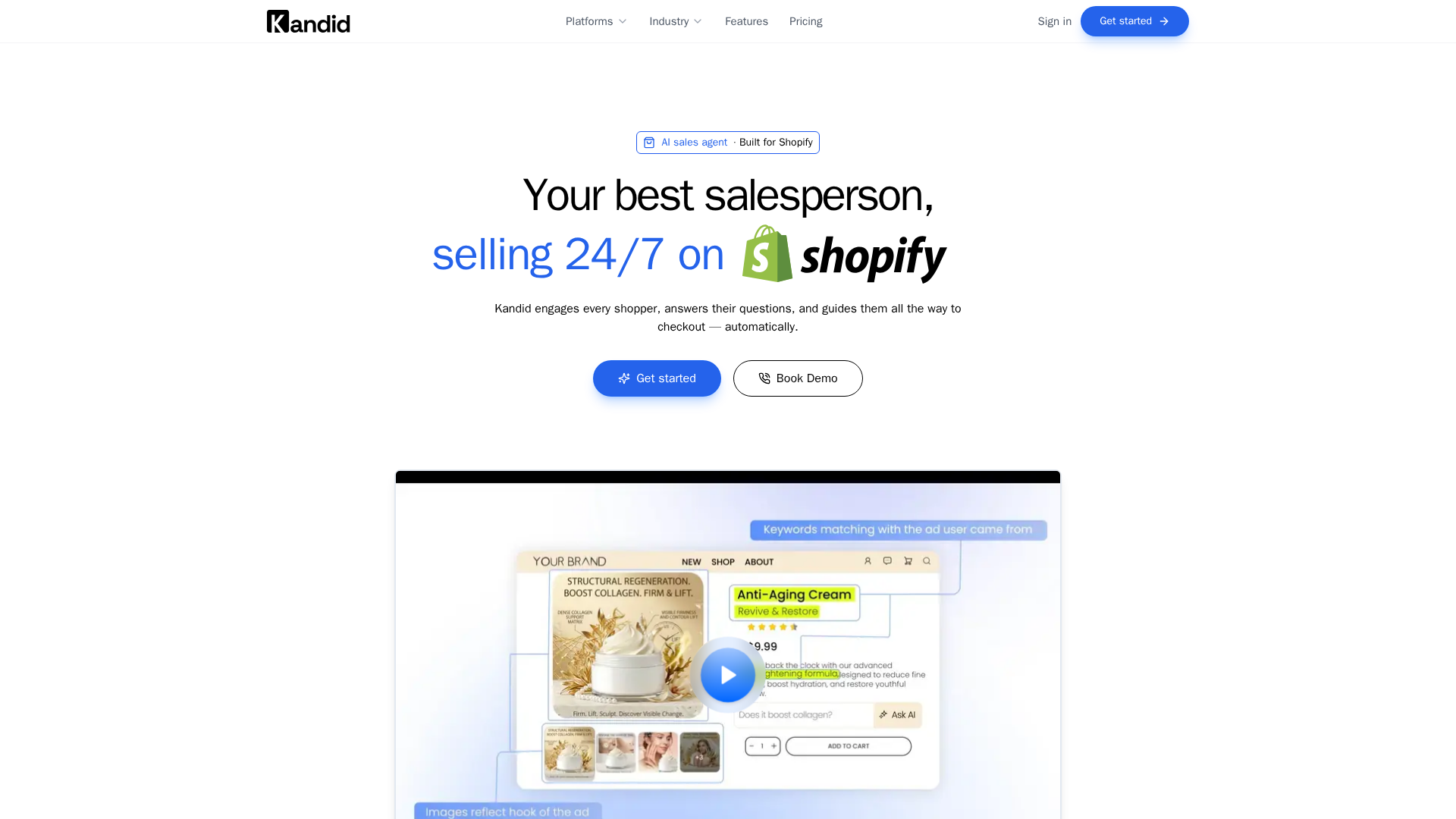
Want live-commerce results without adding headcount? See how Kandid turns real-time shopper questions into guided purchases and higher conversion.
Frequently Asked Questions
Q1: How are brands integrating live commerce features to enhance customer engagement?
Brands are adding live product demos, timed offers, chat, and on-screen buying. Strong teams connect these events to product pages, CRM data, and support flows so shoppers can ask, compare, and buy without leaving the session.
Q2: What key features drive successful live shopping experiences for brands like Kandid?
The best setups mix fast chat, product matching, stock visibility, and clear checkout paths. Kandid fits when brands need always-on guidance between live events, especially for complex catalogs, spec questions, and compatibility concerns that stall purchase intent.
Q3: How can brands build a data-driven live commerce strategy to boost conversions?
Start with one use case, then track click-through, add-to-cart, conversion rate, average order value, and drop-off by segment. Compare live sessions against normal traffic. Keep what lifts revenue, not just views, comments, or session time.
Conclusion
Live commerce looks more real in 2026, not just louder. Whatnot’s AI push and scale signal staying power, while EMARKETER’s forecast and TechCrunch’s reporting show the win comes from fast discovery, tighter operations, and fit by category.