D2C Product Recommendations: 15 Personalization Rules That Work
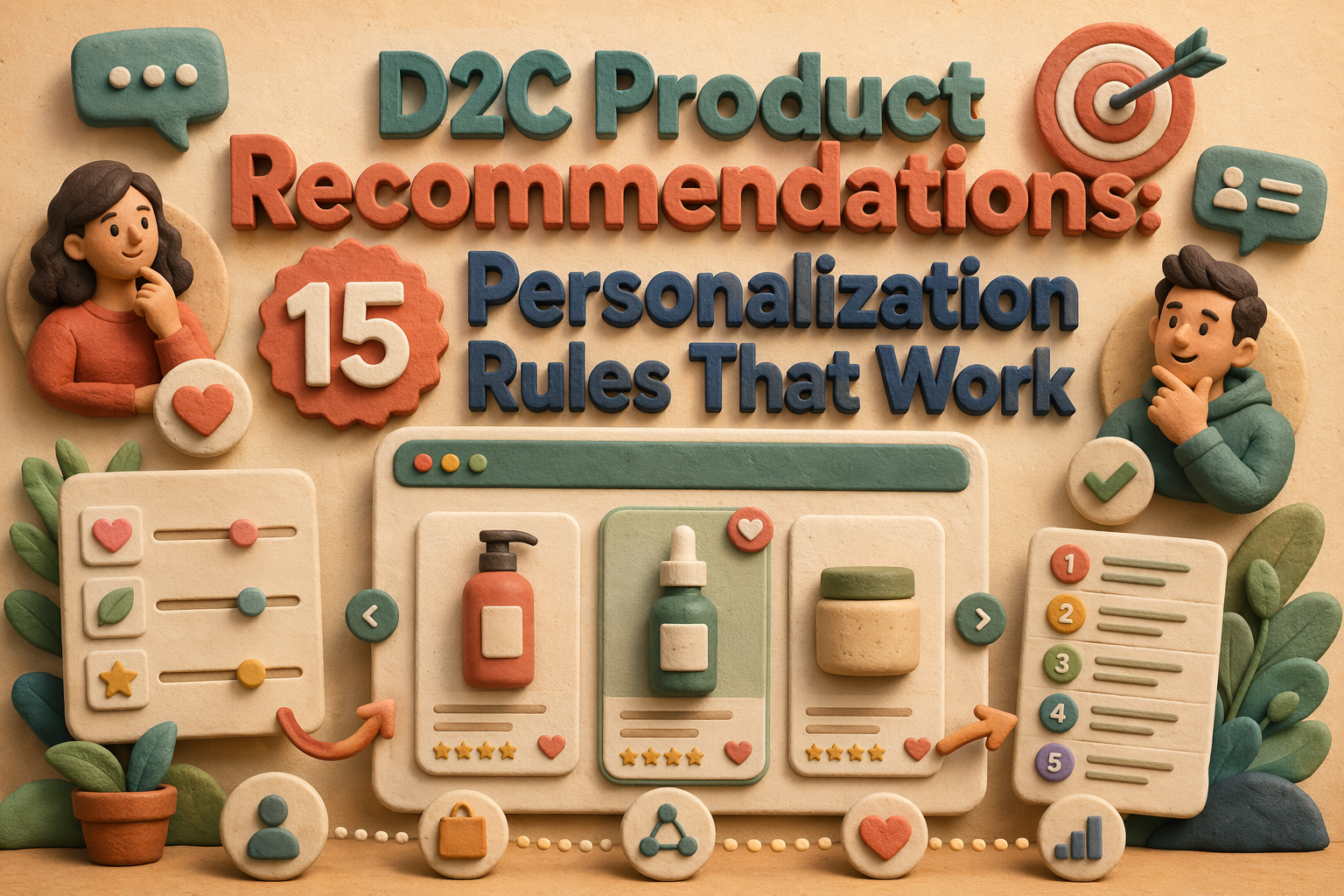
Most D2C brands do not need more recommendations - they need better rules for when, where, and why those recommendations appear.
Generic product carousels feel random because they ignore intent, lifecycle stage, and first-party behavior. That kills relevance, AOV, and trust.
This guide gives you 15 concrete personalization rules that turn your recommendation engine into a controlled growth lever, not a noisy widget. Built for ecommerce, growth, merchandising, and personalization teams at fast-moving D2C brands, both technical and non-technical.
Quick Summary: The article argues that D2C brands need better personalization rules for product recommendations, not just more recommendation widgets, because generic carousels often ignore shopper intent, lifecycle stage, inventory, and margin priorities. It lays out 15 practical rules grouped around using intent and multiple signals, matching recommendations to journey stage and basket behavior, and constantly testing, refreshing, and fail-safing the experience so it supports conversion, AOV, ROAS, and trust. A key nuance is that AI should not be a black box: it should rank products within business guardrails like stock, compatibility, and brand-safe content, with human-readable explanations that feel like guided selling. The article closes with implementation advice-start with high-impact placements like PDP, cart, and post-purchase, use first-party data, and iterate quickly through A/B tests and monthly rule reviews.
Why D2C product recommendations need clear personalization rules
You cannot afford random recommendations. Shoppers give you seconds, then bounce if results feel off.
1. What goes wrong with generic recommendations
Generic carousels often push:
- Bestsellers that do not match intent
- Out-of-stock or low margin items
- Irrelevant SKUs for the current page
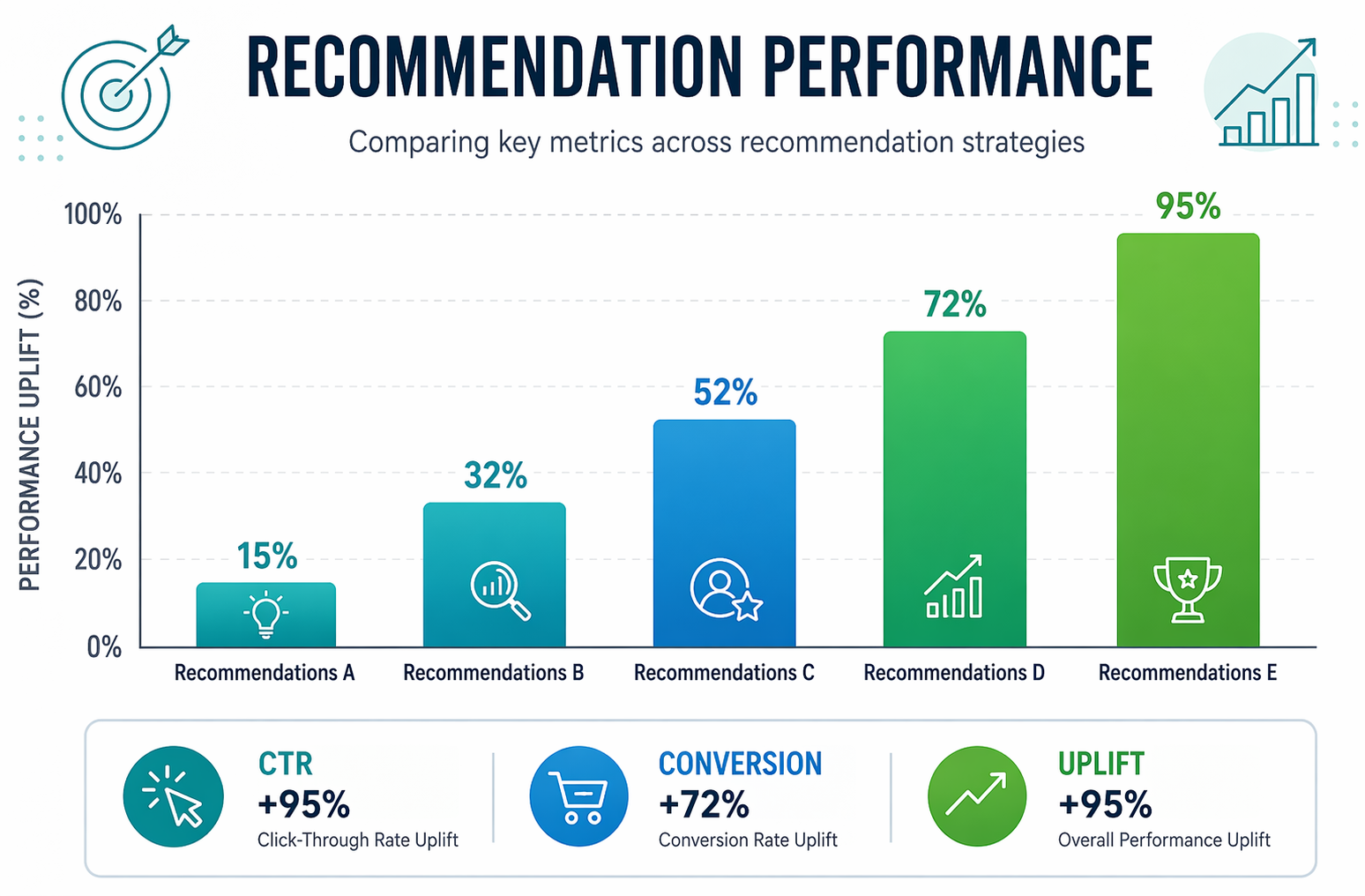
Result: low click through, dead scroll areas, and wasted traffic. AI engines like kainic.ai show that intent matched recommendations move real revenue, which means unfocused feeds quietly burn money.
If a human salesperson would never say it, your widget should not either.
2. The metrics that matter most
Set rules around hard numbers:
- Conversion rate per widget
- AOV and attach rate from cross sell rules
- Revenue per visit and ROAS by placement
- Engagement: clicks, scroll depth, time on page
If a rule does not move at least one of these, kill or rewrite it.
3. Rule based personalization vs one size fits all AI
Pure black box AI can guess well, but it often ignores margin, stock, and brand priorities.
You need clear rules like:
- Exclude items below target margin
- Prioritize in stock variants
- Change logic by page type and campaign source
AI should rank within these guardrails, not replace them. That is why tools like Kandid and gethelium.co mix real time signals with business logic: the experience stays personal, and the math still works for your P&L.
15 personalization rules for better product recommendations
Strong product recommendations follow rules, not vibes. Use these 15 as your baseline playbook.
1. Rule 1–5: Start with intent, data, and context
- Use intent before history
Do not just echo last-viewed items. Read what the shopper is trying to do right now: query, page type, filters, time on page. - Combine multiple signals, not one
Blend behavior, catalog, and context. That means: current page, device, location, price sensitivity, and past orders where you have them. Platforms like kainic.ai lean on this mix to lift relevance. - Make your AI ask clarifying questions
For high-consideration buys (EV accessories, skincare, laptops), get more input first. Manifest calls this "cross‑questioning": collect use case, budget, priorities, then recommend only from a controlled pool of SKUs blog.getmanifest.ai. - Respect catalog constraints
Do not recommend out-of-stock, wrong-region, or non-compatible items. Tie your engine into live inventory and compatibility rules so you never push a product that creates support tickets. - Anchor on brand-safe content
Make sure your AI only answers from trusted sources: product pages, FAQs, manuals, and approved PDFs. Kandid and tools like it train on store content plus FAQs so answers stay on-brand and accurate.
2. Rule 6–10: Personalize by journey stage and basket behavior
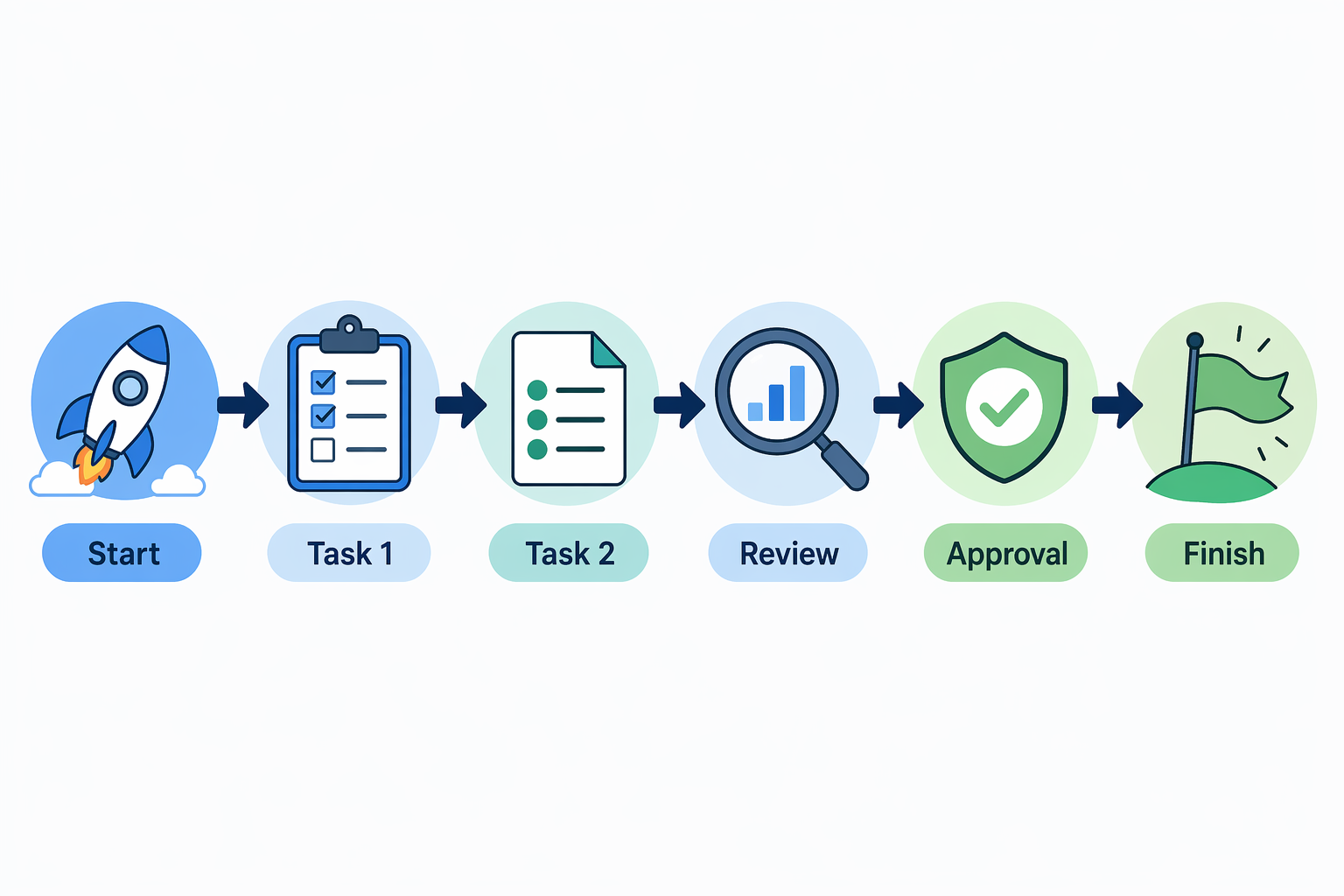
- Detect journey stage in real time
Treat first visit, comparison visit, and ready-to-buy visit differently. Use signals like session count, pages visited, and time since first visit. - Match recommendation type to stage
- Awareness: show bestsellers and simple bundles
- Consideration: show comparisons and alternatives
- Decision: show assurance (reviews, warranties, compatibility)
- Use basket-aware logic
Do not show what is already in cart. Push:- Complements (screen protector with phone)
- Missing pieces (charger for EV mount)
- Logical upgrades within the same category.
- Guard AOV with price bands
Keep cross-sells within a believable price step. If the cart is 60 dollars, a 400 dollar add-on will usually get ignored. - Stop irrelevant rules from firing
Cap how many widgets a user sees. Silence rules when the cart is at budget limit or when the shopper is clearly racing to checkout.
3. Rule 11–15: Test, refresh, and protect the experience
- A/B test by widget and page
Test layout, copy, and logic per placement: PDP, cart, homepage. Engines like Kainic bake this in; use it. - Track full-funnel impact
Watch impression to click to add-to-cart to purchase, not just CTR. Tie each widget to revenue, margin, and returns. - Refresh models and rules often
Seasonal trends, new launches, and changing inventory will stale any model. Plan refresh cycles and rule reviews monthly. - Fail safe, not loud
If AI confidence is low, fall back to a safe rule: top-rated, top-sellers, or staff picks. Never show empty carousels or random junk. - Keep it human-readable
Recommendations should sound like a smart sales rep, not a database. Explain why: "Great with your current X" or "Fits your Y model from 2023." Tools like Kandid shine here because the agent explains choices in plain language, which builds trust and lifts conversion.
How to implement product recommendation personalization in D2C
Treat product recommendations like a rules engine, not a design garnish.
- Data inputs to prioritize
Start with:
- Browsing behavior (categories, time on page, exits)
- Past orders and returns
- Cart contents and price sensitivity
Tools like Kandid or AI agents powered by full customer data, similar to what klaviyo.com describes, give you this in real time.
- Where to place recommendations
- Home: dynamic hero + "because you viewed" row
- PDP: similar + frequently bought together
- Cart: margin-friendly add ons
- Post purchase: next best product
- What to measure after launch
Track:
- CTR on widgets
- AOV and attach rate
- Conversion lift vs control
- ROAS by traffic source, using your analytics dashboard and tests inspired by context aware tools like docs.gorgias.com.
Common mistakes and the fastest wins
1. Mistakes to avoid
- Showing the same generic recommendations to every visitor.
- Basing rules only on catalog logic, not real user questions and behavior.
- Letting dev teams hard code rules that never get tested or iterated.
- Ignoring performance data from your analytics dashboard and flying blind.
- Treating AI like a FAQ bot, not a sales agent that must drive AOV and ROAS.
2. Fastest wins for most D2C brands
- Start with 3 - 5 high impact placements: home hero, PDP, cart, and post purchase.
- Use first party data: past purchases, quiz results, and chat history.
- Let an AI sales agent like Kandid pull from your product data and FAQs to give live, contextual recommendations that answer objections and push shoppers to the right SKU.
- A simple rules plus AI combo often lifts conversion and AOV in days, not months.
Audit your current recommendation logic against these 15 rules, list three tests, then let Kandid run real-time AI sales experiments.
Frequently Asked Questions
Q1: How do I know which personalization rule to start with?
Start with rules closest to money: product detail page recommendations, cart cross-sells, and post-purchase add-ons. If you are early, pick one page, set 1 to 2 clear KPIs, and run an A/B test before rolling out.
Q2: How often should I update my recommendation rules?
Review rules at least monthly. For fast-moving catalogs or seasonal brands, do it weekly. Kill rules that do not lift conversion, AOV, or ROAS. Keep a simple log so you can see which logic actually pays off.
Q3: Where does an AI agent like Kandid fit into this stack?
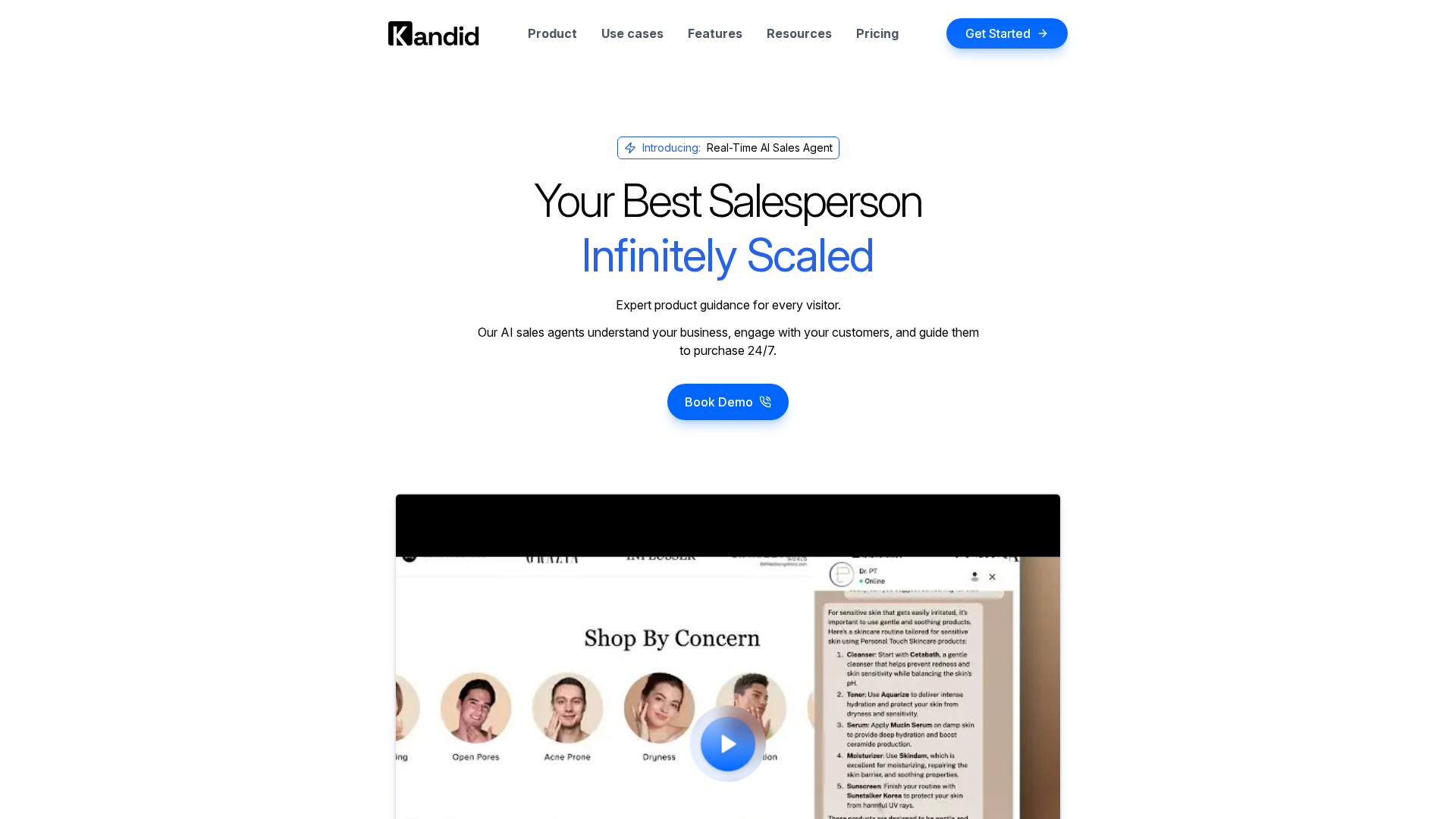
Use Kandid to turn static rules into live guided selling. It reads your catalog, asks shoppers what they need, handles compatibility, then pushes the right products in real time. That gives your rules context instead of just guessing from click history.
Q4: What if I have very little first-party data today?
Start with simple logic: bestsellers by category, price brackets, and basic UTM or traffic source. As data grows, add behavior rules like viewed, added to cart, and time on page. The key is to launch something now, then refine based on clear test results.
Conclusion
Personalized D2C recommendations work best when they follow clear rules, not gut feel. Use first-party data, journey stage, and placement context to decide what to show, then let AI handle scale with strong guardrails. Even small tweaks in logic can quietly move your conversion, AOV, and repeat purchase numbers in a big way.