Dynamic Storefront Review: Personalized UX for Modern Ecommerce

Quick Summary: Personalized UX transforms ecommerce pages into guided shopping experiences by tailoring content based on visitor intent and behavior. It works best for complex, high-value products with many options, boosting conversions by reducing doubt and speeding discovery. However, it requires clean data, fast loading times, and clear rules to avoid slowing down teams or delivering poor results. Shoppers leave when they cannot get quick answers on fit, compatibility, ingredients, or bundles. Dynamic Storefront uses Personalized UX to answer those questions before the bounce. This review looks at the real problem: most Ecommerce Personalization feels shallow, while AI Sales Agents often add noise. You will see where Personalized UX works best, what setup it needs, and when Personalized UX should guide the store instead of trying to replace it.
What Personalized UX Actually Changes on the Storefront
Personalized UX changes the page from a fixed catalog into a guided buying path. It swaps generic banners, filters, and product grids for content shaped by visitor intent, device, source, and past behavior.

Intent-matched content instead of one-size-fits-all pages
A shopper comparing specs should not see the same page as someone ready to buy. Good storefronts change:
- hero copy
- product ranking
- proof points
- bundles and FAQs
Adobe found AI-referred shoppers spend longer on site and convert better, which makes intent matching more valuable at landing and PDP level, per Adobe’s 2026 retail data.
Where AI sales agents fit into the experience
AI sales agents should support, not replace, the storefront. They help when shoppers need answers, comparison, or reassurance.
- Clarify needs
- Narrow options
- Handle objections
- Push back to the right page or cart
Best use: complex catalogs where buyers stall on fit, specs, or compatibility. McKinsey notes AI agents are strongest in discovery and evaluation, not full autonomy, in its 2026 agentic commerce review.
Also Read: How to Build a Dynamic Storefront for Maximum Conversion
Where It Delivers the Biggest Conversion Lift
Personalized UX works best in catalogs with high choice, higher prices, or real fit risk. Think EV accessories, skincare routines, bundles, refill products, and tech gear with specs. McKinsey says personalization often lifts revenue by 5 to 15 percent, with bigger gains when brands execute well McKinsey research.
- Best-fit categories: products with compatibility questions, repeat purchase cycles, or many close variants
- Weak-fit categories: simple, low-risk items where shoppers already know what they want
First, personalize pages closest to purchase intent:
- Product detail pages - show fit, comparison help, and next-best options
- Collection pages - sort by shopper need, not just category
- Cart and post-add-to-cart - add bundles, refills, or matching items
| Page type | Why it lifts |
|---|---|
| PDP | Reduces doubt |
| Collection | Speeds discovery |
| Cart | Raises AOV |
Also Read: Dynamic Storefront 2026: How Data Quality Shapes Retail Visibility
Pros and Cons
What works well
- Dynamic storefronts reduce friction fast. Shoppers see better product sorting, smarter recommendations, and fewer dead-end paths.
- That matters because McKinsey found 71% of consumers expect personalization, and 76% get frustrated when it is missing.
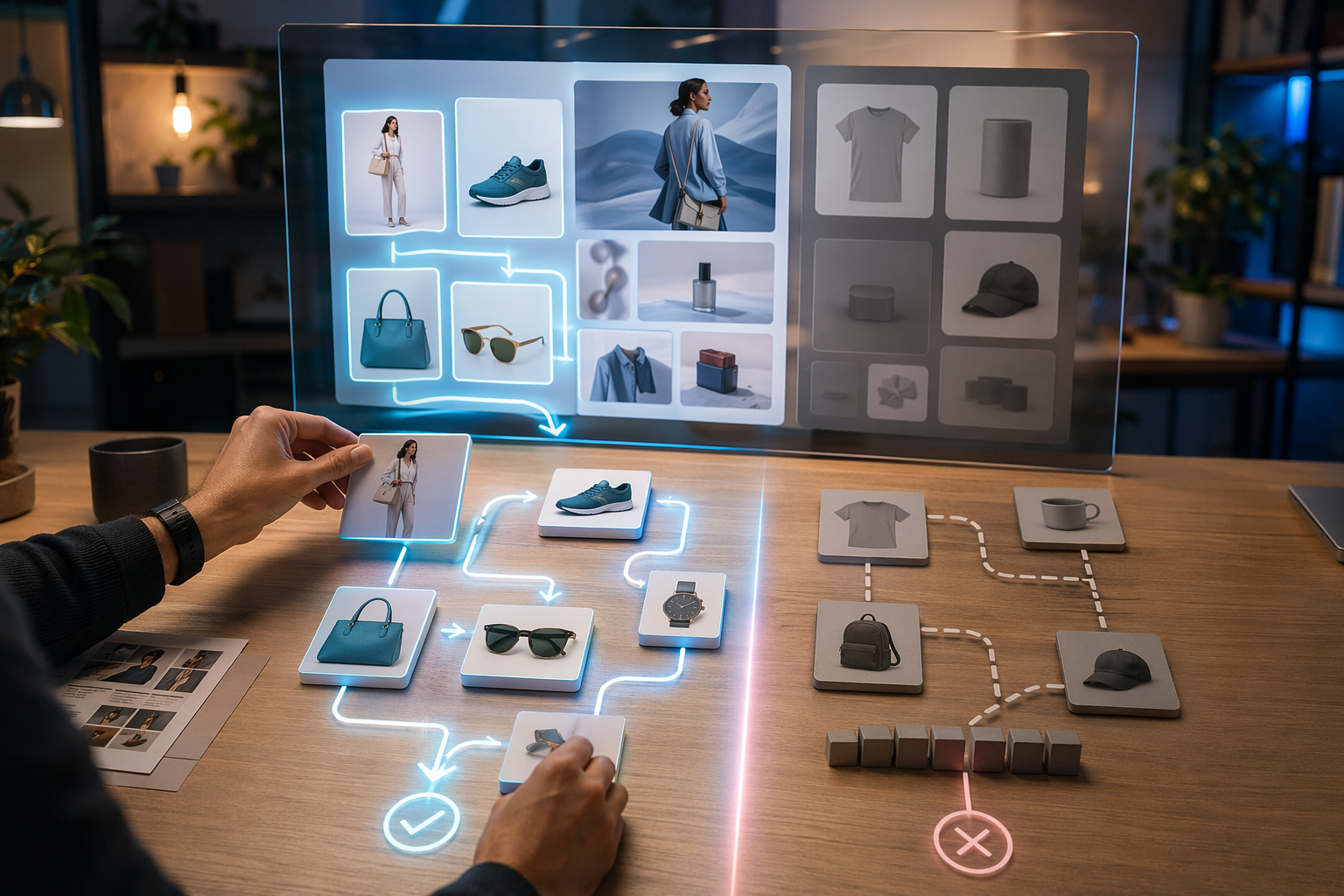
Best fit: large catalogs, repeat traffic, and products with real comparison complexity.
What can slow teams down
- Setup gets messy when data is weak, tracking breaks, or merchandising teams lack clear rules.
- Adobe notes real-time personalization is hard because teams must collect, process, and act on user data across touchpoints.
Also Read: Dynamic Storefront Review: How AI-Powered Storefronts Are Reshaping Ecommerce in 2026
Is Dynamic Storefront Worth It for Your Team?
Choose it if shoppers need help comparing specs, bundles, fit, or compatibility. IBM found 41% of consumers use AI assistants to research products in the shopping journey, which fits stores where buyers need guided choice, not just a search bar (IBM consumer research). This is strongest for EV, beauty, and tech catalogs with many variants.

Hold off if your catalog is small, your products are obvious, or your data is unreliable. McKinsey notes 71% of consumers expect personalized interactions, but bad inputs create bad outputs (McKinsey personalization research). Use this quick check:
- Clear product attributes
- Clean inventory and pricing data
- Enough traffic to test impact
- Team ownership across merch, growth, and engineering
If those basics are weak, fix data first. Then add dynamic storefront logic.

Need personalized UX that sells, not just looks smart? See how Kandid supports dynamic storefronts with real-time product guidance, better fit answers, and 24-7 sales help.
Frequently Asked Questions
Q1: What key features define a high-converting digital storefront in ecommerce?
Fast load speed, clear product findability, strong mobile UX, smart search, rich product detail, trust signals, and clean checkout. Dynamic merchandising matters too. The best storefronts adjust content by intent without hiding control from shoppers.
Q2: How does AI personalization enhance user experience and drive sales in modern ecommerce?
AI personalization cuts choice overload. It ranks products, adapts content, and answers fit or compatibility questions in real time. Sales agents like Kandid work best when they support the storefront, not replace navigation, filters, and product pages.
Q3: What are the top ecommerce UX UI trends expected to dominate in 2026?
Expect more intent-based landing pages, guided selling, sharper mobile layouts, better zero-result search recovery, and personalized bundles. Teams will also focus on transparent AI help, faster page speed, and storefront rules that protect margin, inventory, and brand voice.
Conclusion
Dynamic storefronts work best when they cut friction, not just swap content. Strong results need clean data, fast pages, and clear rules. Recent Springer research supports personalization’s effect on trust, satisfaction, and purchase intent.