Comprehensive Guide to D2C Product Recommendations for 2026
Quick Summary: By 2026, effective D2C product recommendations will rely on real-time, personalized decisioning using first-party data, AI sales agents, and clear measurement. Recommendations will influence more than product pages, shaping the entire customer journey from homepage to post-purchase. Brands need to focus on clean data, privacy, and testing to maximize revenue and customer engagement.
A shopper who lands on your Shopify PDP from AI search expects relevance fast. If they see a generic carousel, you lose intent, clicks, and margin. This guide shows how D2C Product Recommendations should work in 2026, using first-party data, AI Sales Agents, and revenue tracking. We cover the real operating model behind D2C Product Recommendations, stronger D2C Sales Optimization, and D2C Product Recommendations that match how people now shop.
What D2C Product Recommendations Mean in 2026
From static widgets to real-time decisioning
D2C product recommendations now act like a live sales layer, not a fixed "you may also like" box. The shift is from past-only logic to in-session signals like search, scroll, cart state, and intent. Contentful’s overview explains this real-time model well.
Where recommendations now influence the customer journey
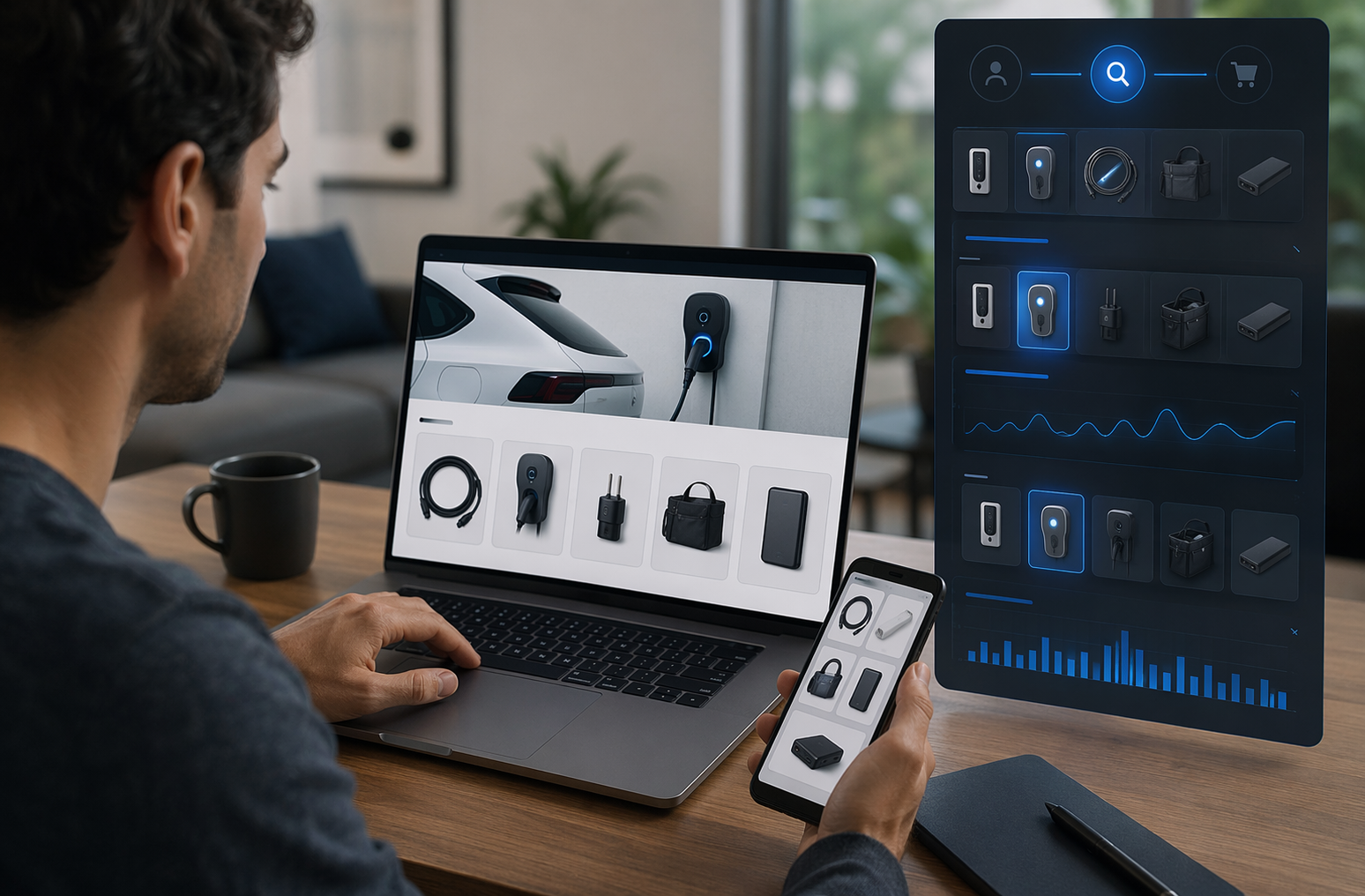
Recommendations shape more than product pages. They now affect homepage paths, collection sorting, cart upsells, post-purchase flows, and chat-led buying help. AWS notes that conversational shopping sessions can convert at 3.5 times the rate of keyword search, which shows why tools like Kandid fit deeper into the funnel.
Also Read: D2C Product Recommendations: 15 Personalization Rules That Work
The Data Layer That Makes Recommendations Work
Good recommendations need clean, connected customer data. Your engine works best when it sees what people do, what they say they want, and what you are allowed to keep.
First-party data you already have
Start with data from your own store, CRM, support inbox, and product pages. Purchase history, browse paths, returns, and cart events are the base. Epsilon’s 2026 overview notes first-party data is direct, owned, and rooted in real interactions.
Zero-party data that improves relevance fast
Zero-party data is what shoppers tell you on purpose. Think quizzes, fit finders, routine goals, budget range, or compatibility needs. Qualtrics defines zero-party data as data a customer intentionally shares with a brand, which removes guesswork and improves recommendation accuracy fast.
Data governance and privacy expectations in 2026
Your data layer also needs rules. Keep only useful data, secure it, and honor consent. The FTC’s business guidance says companies should collect only what they need, keep it safe, and dispose of it securely.
Also Read: Kandid AI Sales Agent Review: Can It Really Triple D2C Conversion Rates in 2026?
How AI Sales Agents and Recommendation Engines Work Together
A sales agent should recommend when intent is clear and choice is hard. If a shopper asks for fit, range, shade, bundle value, or compatibility, the agent should move from answer mode to guided selling. That matters because 45% of consumers already use AI during buying journeys.
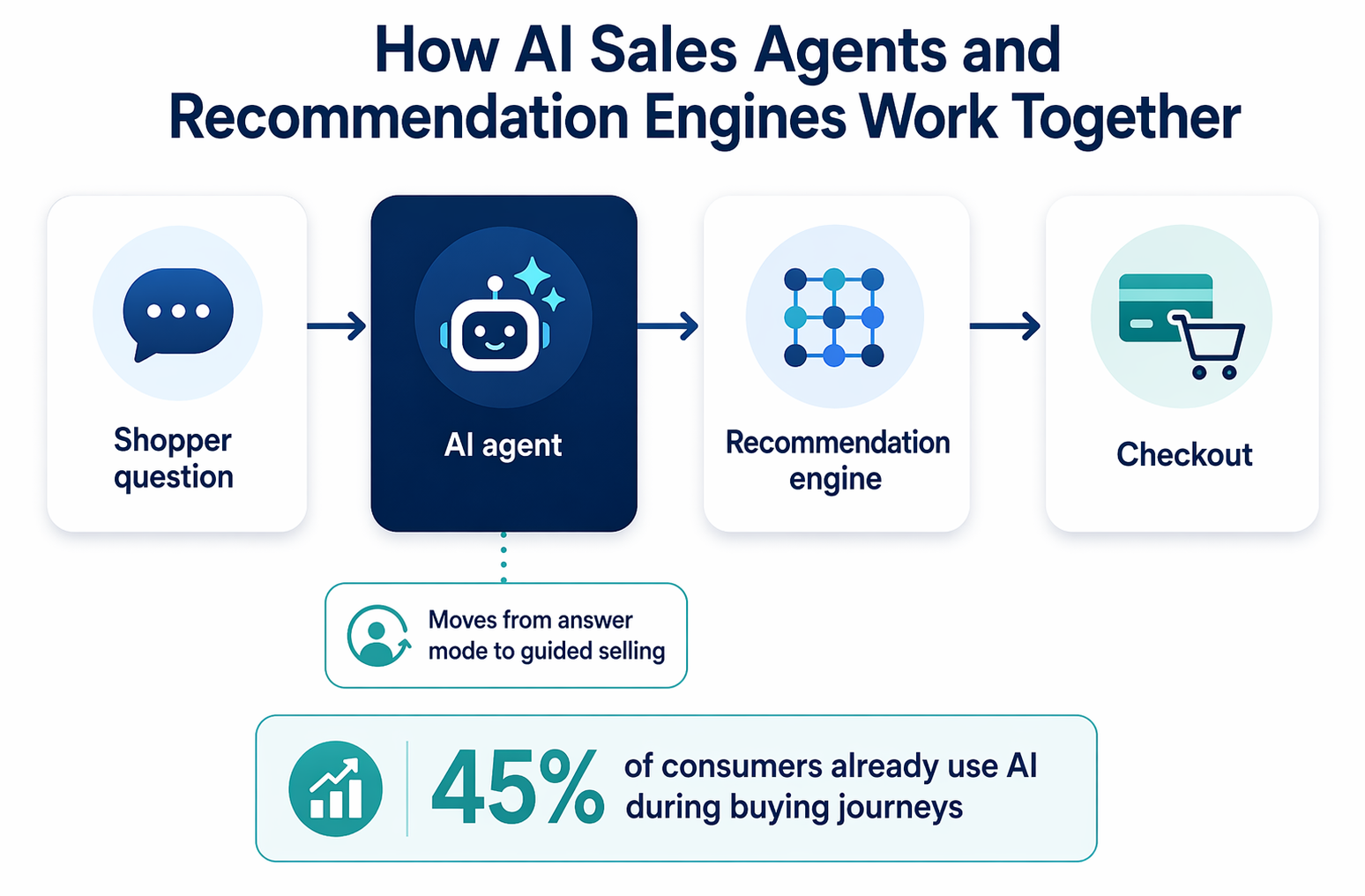
Use the same recommendation logic across site, email, and SMS. The chat agent captures live intent, while the recommender ranks products, bundles, and next-best actions from behavior, cart, and catalog data. IBM notes that recommendation engines blend explicit and implicit signals to suggest relevant items based on user behavior patterns.
Keep the logic shared, but tailor the message to each channel.
Automate product matching, cross-sells, and low-risk follow-ups. Keep humans on edge cases, high-ticket negotiation, and sensitive complaints. Kandid fits best when brands need real-time guidance with strong catalog grounding.
Also Read: Kandid vs Manifest: Which D2C Product Recommendation Platform Wins in 2026?
How to Measure Recommendation Impact and Scale the Stack
Start with placements closest to purchase. Prioritize product pages, cart, checkout upsells, and high-intent chat flows. These spots show lift fastest because shopper intent is clear. Use a simple ranked backlog:
- PDP recommendations
- Cart add-ons
- Checkout bundles
- AI sales agent prompts
The core metric in 2026 is incremental revenue per visitor, not click rate alone. Run holdout tests, because before-after views miss causation. AdKDD research shows attribution can misread what actually drove the sale, and holdout testing guidance explains why control groups beat simple trend charts.
Track a tight scorecard:
- RPV lift
- Conversion rate lift
- AOV lift
- Attach rate
- Gross margin per session
| Growth stage | Best next stack move | Main risk |
|---|---|---|
| Early | Basic rules plus first-party data | Too many tools |
| Mid | Unified recommendation and testing layer | Dirty data |
| Advanced | Real-time AI agent plus measurement pipeline | Channel silos |
If Kandid fits your stack, connect its sales agent data to the same holdout and revenue model. That keeps scaling honest.
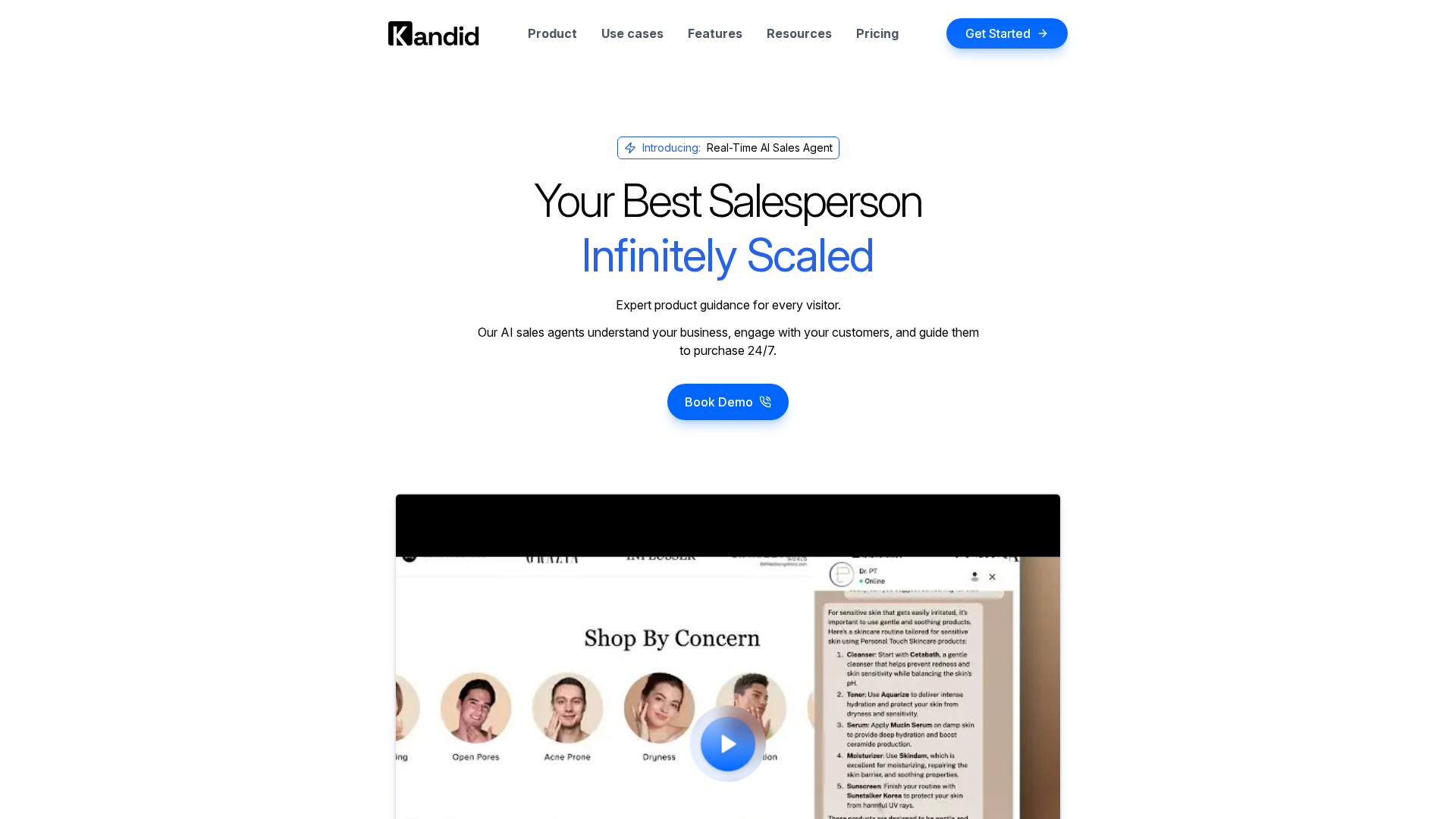
Turn recommendations into revenue with Kandid, real-time AI sales agents that guide shoppers, answer fit questions, and lift conversion fast.
Frequently Asked Questions
Q1: What are the key components of a comprehensive D2C product recommendation strategy for 2026?
Use first-party data, AI ranking, on-site behavior, margin rules, inventory logic, and clear measurement.
Q2: How can AI-driven personalization and real-time customer experiences boost D2C sales in 2026?
They cut choice overload, answer objections fast, and raise conversion, AOV, and retention.
Q3: What tech stack should Indian D2C brands adopt in 2026 to optimize personalization and engagement?
Start with clean catalog data, CDP, analytics, consent tools, and AI sales agents like Kandid.
Conclusion
Winning D2C recommendations in 2026 means one system: first-party data, real-time AI, clear testing, and trusted measurement. Recent research also shows personalization works best when privacy and trust stay central.