Kandid AI Sales Agent Review: Can It Really Triple D2C Conversion Rates in 2026?
Most D2C brands lose 60 to 70% of shoppers before cart. People browse, pause, and leave. Kandid’s AI sales agent aims to stop that by talking to every visitor like a top store rep. This Kandid AI review looks at whether that claim holds up. I’ll cover channels, pricing, limits, and real fit, so you can judge if this AI sales agent can lift your D2C conversion rate and if this AI sales agent is worth the spend.
What Kandid Does That Other Chatbots Don't
Most ecommerce chatbots answer questions, then push the shopper back to the PDP or cart. Kandid goes a step further. It keeps the buying flow inside the conversation, which matters because 79% of brands say AI-driven conversations lift sales and conversion.
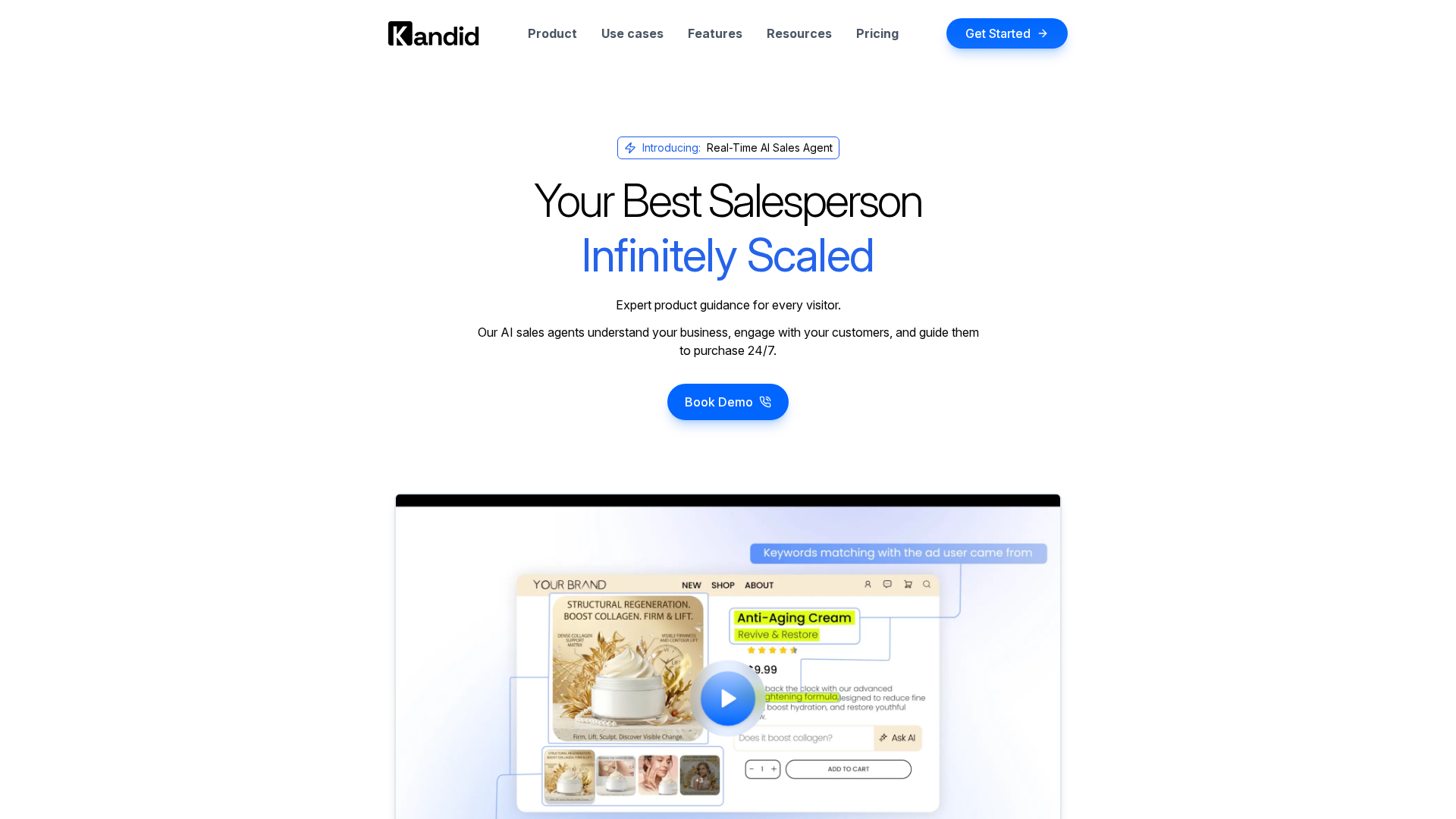
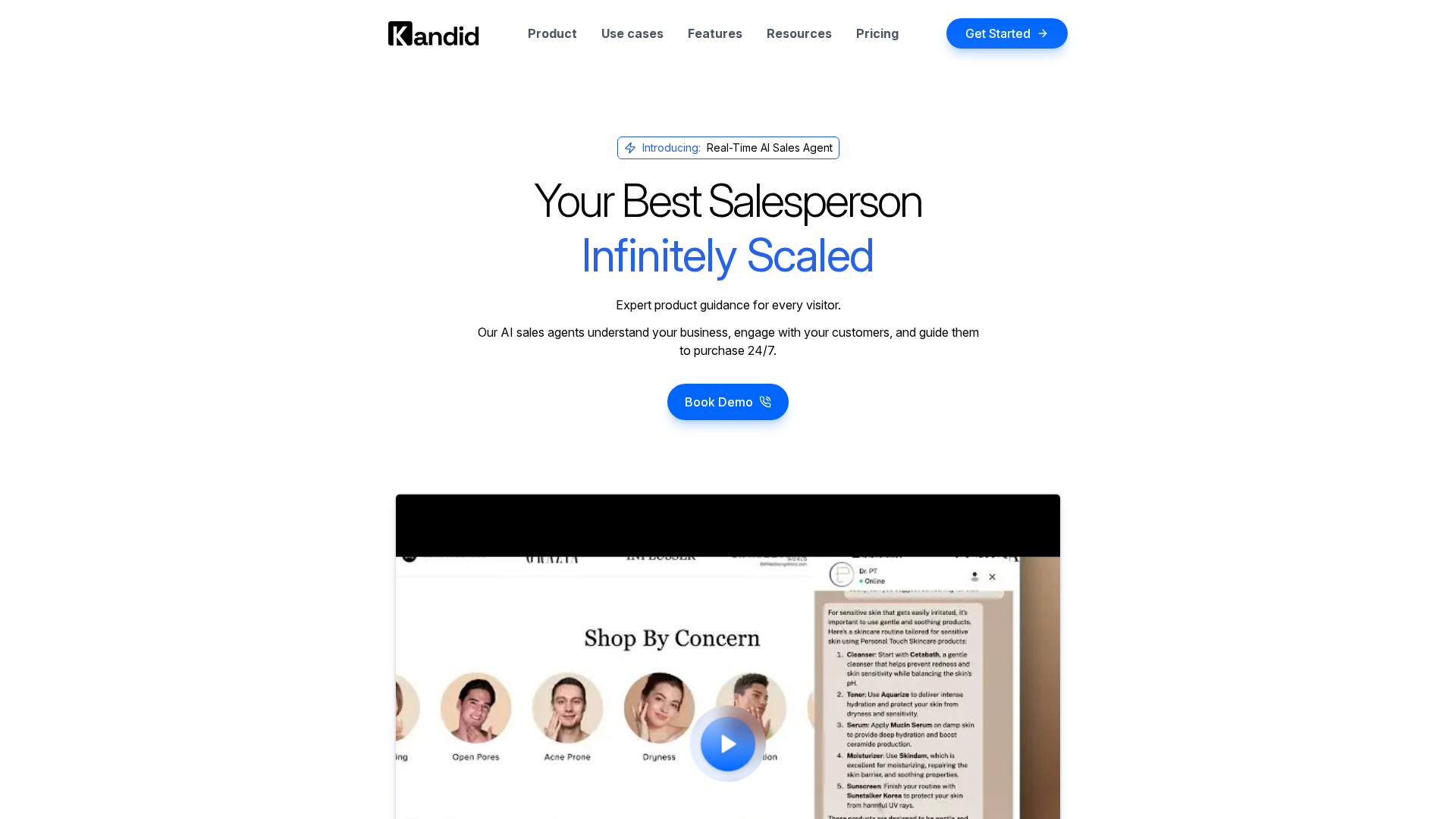
Kandid’s edge is native add-to-cart from chat. That sounds small, but it cuts one of the biggest leaks in D2C funnels: forcing shoppers to leave chat, find the right SKU again, and restart their decision. On its Shopify listing, merchants call out Kandid’s native cart as something they had not seen from other tools, alongside product recommendations and conversion tracking in one flow (Shopify App Store listing).
Compared with tools like Manifest AI or Verifast AI, that makes Kandid feel less like a support bot and more like a live sales rep.
Also Read: AI Sales Agents: 12 Use Cases for D2C Growth
pricing: Transparent, Usage-Based, and Surprisingly Affordable
Kandid’s pricing looks more buyer-friendly than the usual AI agent setup. The big win is clarity - you pay for actual usage, which fits where SaaS pricing is heading in 2026. Flexera notes that buyers now expect pricing tied to real usage, not just seats or access usage-based shift.
Compared with Manifest AI and Sage Pilot, Kandid feels easier to budget for if your traffic swings by season or campaign. That matters because hidden AI overages are becoming a real problem across SaaS, with Zylo reporting more surprise cost pressure from AI add-ons and consumption charges enterprise SaaS cost trend.
If you want low-risk rollout, usage-based pricing beats rigid seat plans.
Also Read: AI Sales Agents: 7 Metrics to Prove Revenue Impact
Real Results: What D2C Brands Are Actually Reporting
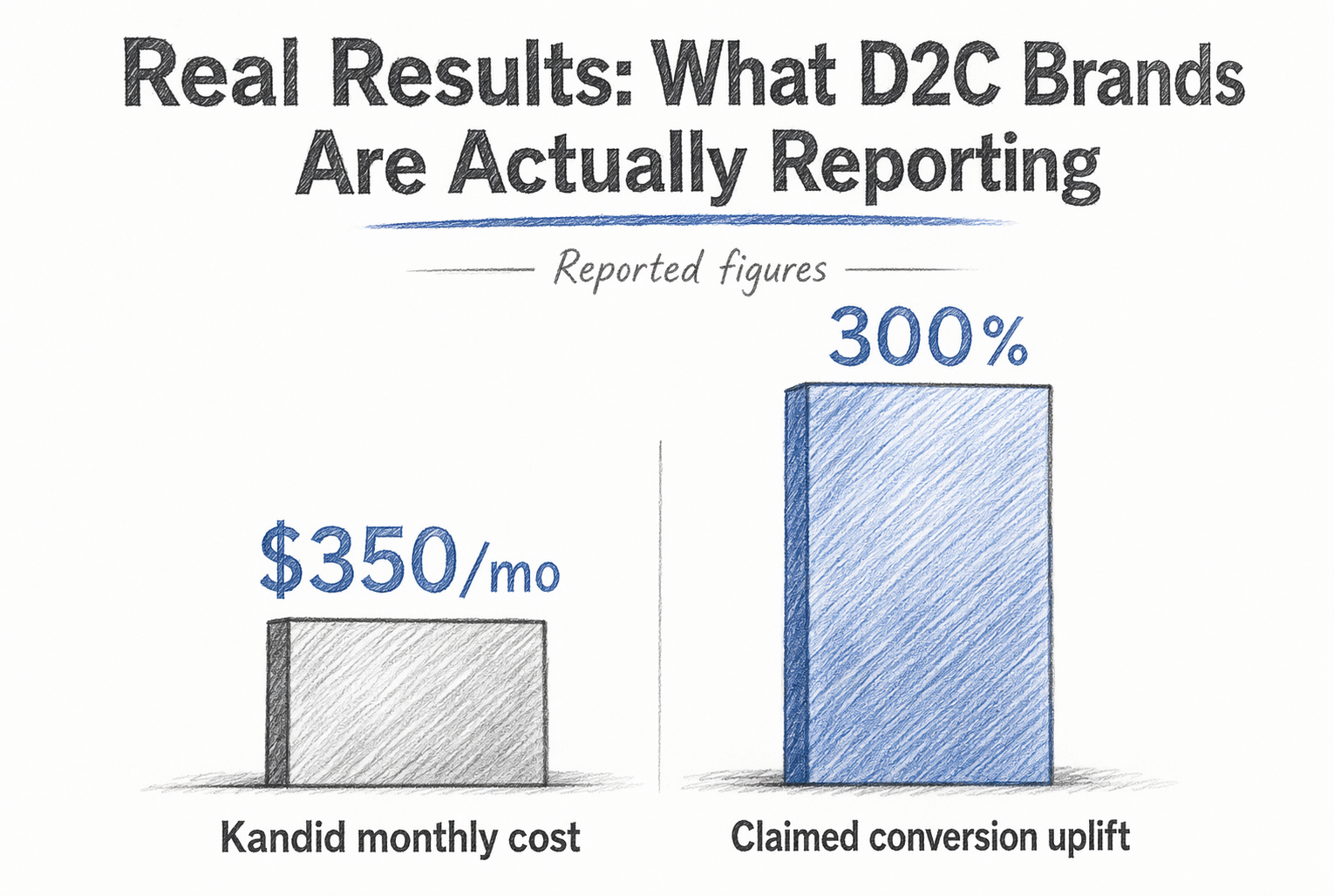
The pitch sounds big, but the math is simple. Kandid’s Standard plan is $350/month on both the Shopify App Store listing and Kandid’s pricing page. Kandid also claims an average 300% conversion uplift across partner D2C brands.
If that lift is real for your store, $350 is cheap. If it is not, it is just another app line item.
What brands are actually reporting looks more mixed, but still promising:
- Merchants mention influenced orders
- Teams praise faster replies and less manual support
- Brands like Dr Sheth’s and Frido Mobility point to stronger shopper engagement
Treat the 300% figure as a best-case average, not your forecast.
Also Read: AI Sales Agents Setup: Build a Trustworthy Checkout Assist
Is Kandid Worth It in 2026?
Yes - if your brand gets high-intent questions before purchase. Kandid looks worth it when your catalog needs explanation, fit guidance, or fast answers across site, WhatsApp, and Instagram.
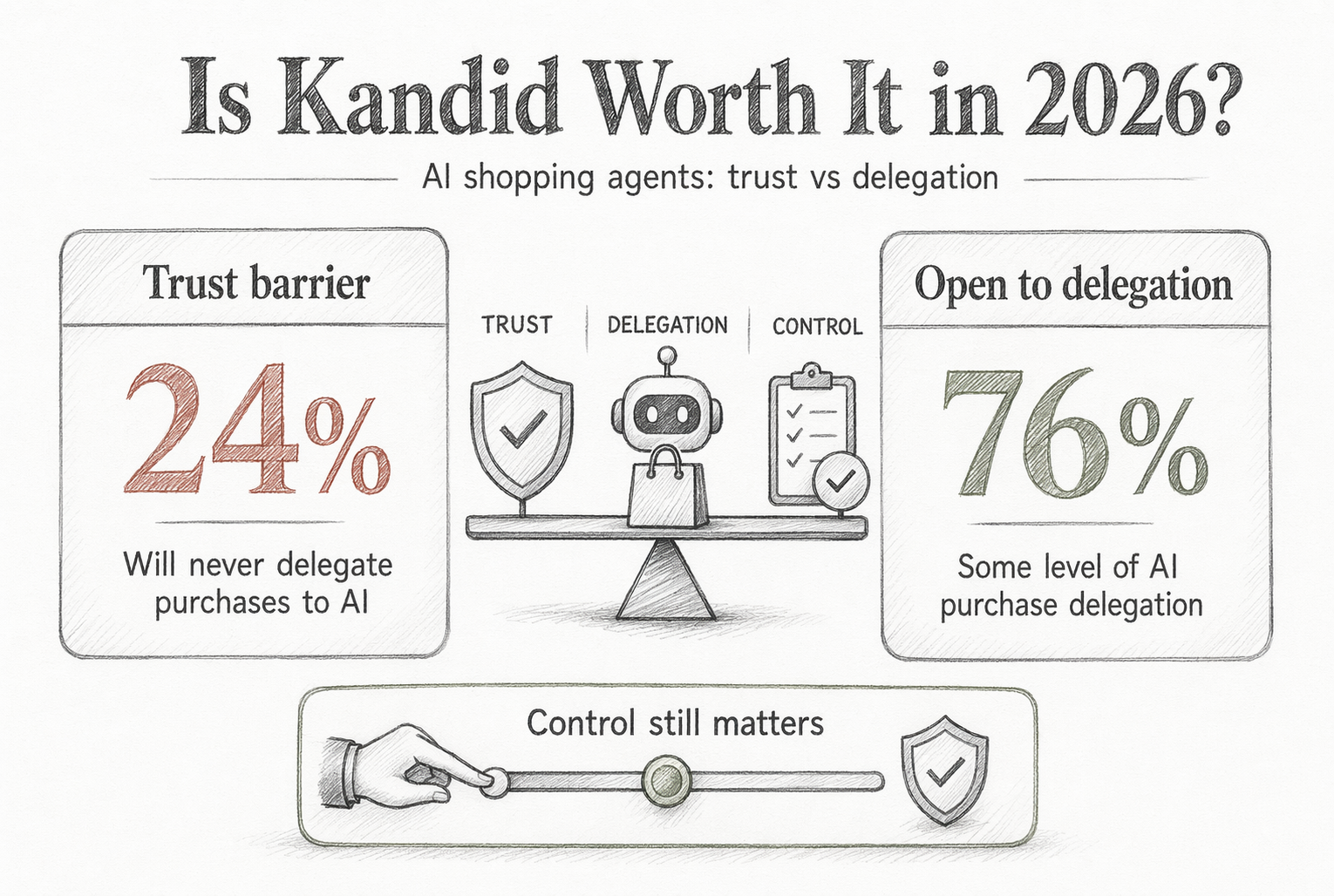
According to Accenture’s 2026 consumer research, 74% of consumers would delegate routine shopping tasks to AI agents. At the same time, trust still limits full handoff, and Checkout.com’s 2026 report says 24% will never delegate purchases to AI.
So the value case is simple:
- Worth it for complex, high-consideration D2C
- Less worth it for low-price, impulse-only stores
- Best fit if your team loses sales after hours or in DMs
Kandid wins when it helps shoppers decide, not when it tries to replace human trust entirely.
Want to turn high-intent traffic into sales, not missed chats? Try Kandid to guide shoppers in real time across complex products and lift conversion faster.
Frequently Asked Questions
Q1: Can Kandid AI sales agents really triple D2C conversion rates?
Sometimes, but not by default. Kandid can lift conversion when your traffic has buying intent, your catalog needs guidance, and setup is strong. Triple-digit gains are possible in some cases, but most brands should expect varied results based on traffic quality, offer, and fit.
Q2: How does Kandid's AI sales agent improve D2C product recommendations?
It answers shopper questions in real time, matches needs to products, explains specs in plain language, and reduces choice overload. That matters most for technical, high-consideration, or multi-variant products where shoppers hesitate before buying.
Q3: What is the pricing model for Kandid AI sales agents?
Kandid uses usage-based pricing, which usually fits brands with changing traffic better than flat software fees. Your real cost depends on conversation volume, channels used, onboarding scope, and how much support or customization your team needs.
Conclusion
Kandid looks strong for D2C brands that need fast, cross-channel selling, not just chat. Its bold uplift claims need careful testing, but the market is moving fast - Shopify data and PYMNTS research both show AI-led shopping is rising.