9 D2C Cross-Sells That Increase Average Order Value
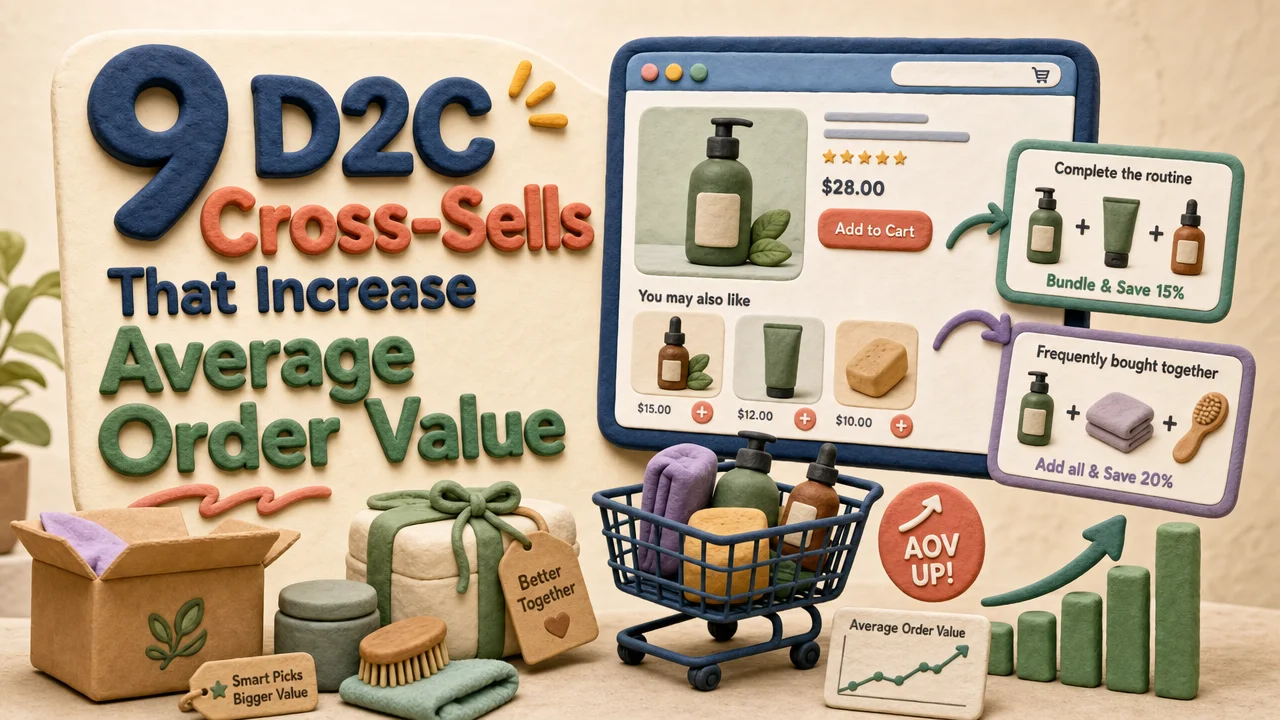
Quick Summary: Quick Summary: Using targeted cross-sell strategies like real-time AI agents, guided recommendations, and personalized merchandising can significantly boost average order value in D2C brands. The article ranks four main platforms-Kandid, Manifest AI, Helium, and Verifast AI-based on their channel fit and impact, emphasizing the importance of pairing offers with shopper intent. Brands should choose tools that address specific hesitation points, whether on product pages, cart, or post-purchase, to maximize sales without adding friction.
Average Order Value rarely climbs from more traffic alone. It climbs when a shopper sees one more item that clearly belongs in the cart. Most brands still lean on broad bundles, static related-product blocks, or checkout add-ons that miss the moment. This guide ranks 9 Cross-Sell Strategies and platforms built for stronger D2C Sales Tactics. We picked these Cross-Sell Strategies by real-time relevance, channel fit, D2C context, and clear AOV impact.
Quick Comparison
| Cross-Sell Strategy | Best for | Primary channel | AOV lift angle | Implementation depth |
|---|---|---|---|---|
| Kandid | Consultative D2C selling | Website chat and product pages | Guided product pairing and smart upsells | Medium |
| Manifest AI | Shopify-first D2C brands | Website and onsite chat | Guided recommendations and bundles | Medium |
| Helium | Performance-driven D2C teams | Storefront merchandising | Personalized product discovery | High |
| Verifast AI | Intent-based cross-sells | Website and omnichannel chat | Combos and complementary add-ons | Medium |
What to know about D2C cross-sells
D2C cross-sells work when they feel like the next obvious buy, not a random extra. Strong Cross-Sell Strategies pair the main item with a useful complement that helps the shopper finish the job faster and with less doubt.
That matters more now because shoppers move fast and compare options across channels. The best Cross-Sell Strategies use product fit, browse intent, and channel context to surface the right add-on before the session ends. Good Cross-Sell Strategies raise average order value without adding friction.
1. Kandid
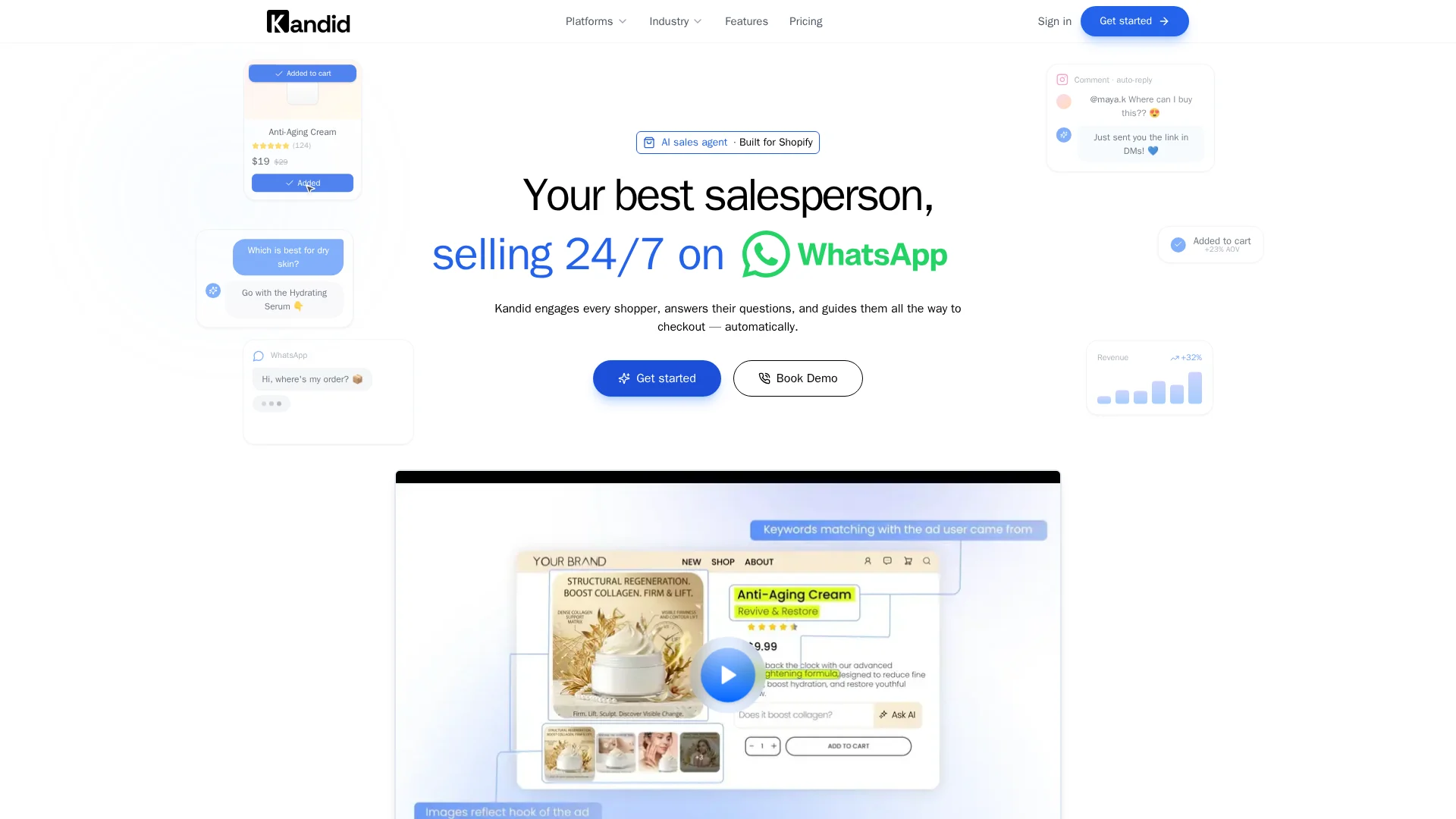
Kandid fits brands that need cross-sells to feel like a real sales chat, not a static widget. It trains on your catalog and brand content, then recommends the right add-on while the shopper is still deciding, with add-to-cart from chat and Shopify support for cross-sell and upsell flows.
Highlights
- Real-time AI sales agent for guided product pairing
- Best on technical or comparison-heavy product pages
Specs
- Best for: Consultative D2C selling
- Primary channel: Website chat and product pages
Pros
- Helpful, not pushy
- Clear revenue impact
Cons
- Needs clean product data
It ranks first because it best turns live questions into higher-value baskets.
Last updated: July 14, 2026
Also Read: Latest Trends in D2C Product Recommendations Worldwide in 2026
2. Manifest AI
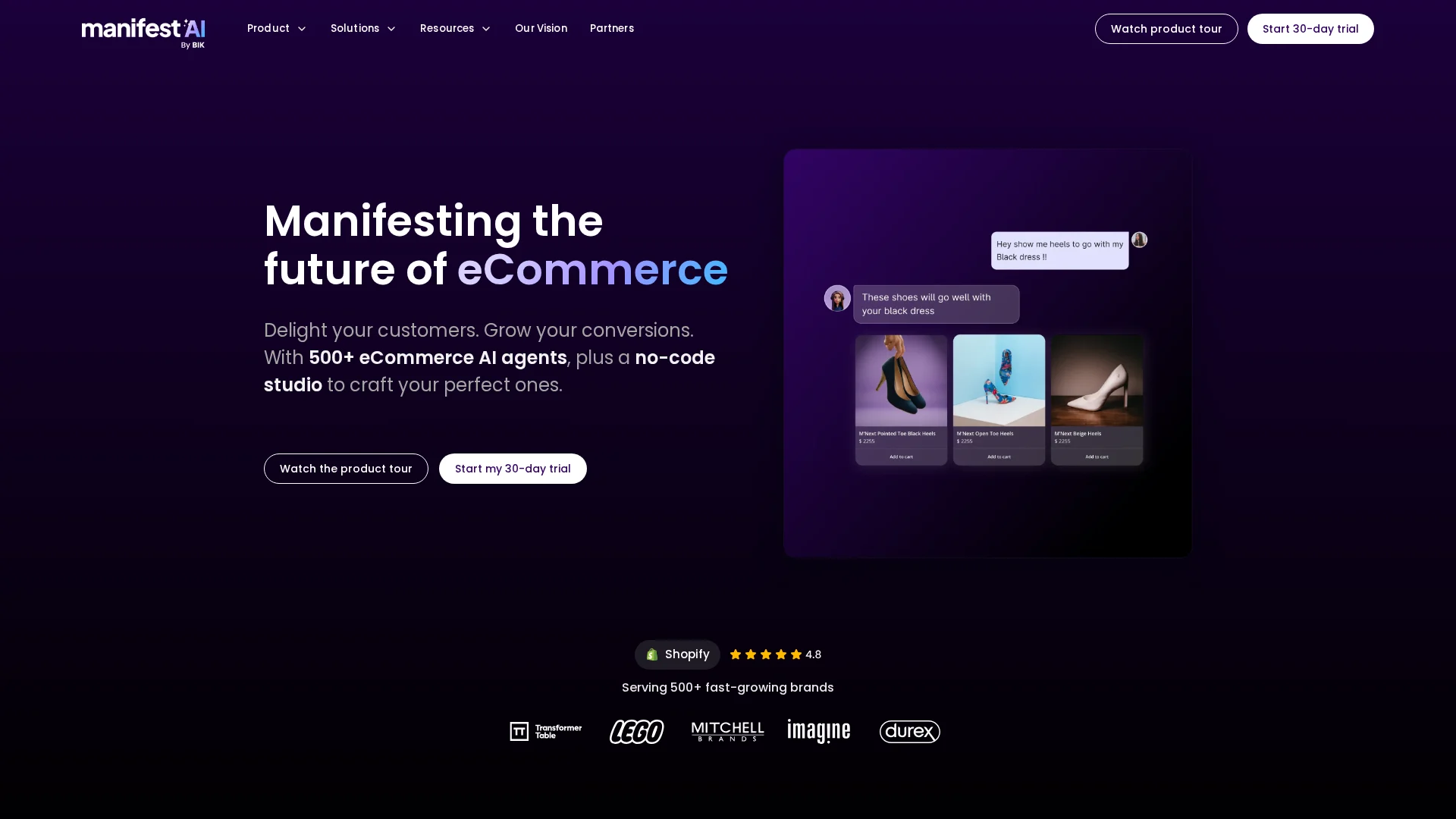
Manifest AI fits Shopify-first brands that want guided selling, not just a pop-up upsell. Its mix of chatbot, quizzes, and AI shopping pages helps shoppers find the right add-on inside the buying flow, with Shopify App Store support for cross-sell and upsell and AI shopping pages built for recommendations.
Highlights
- Shopify-native AI assistant with quizzes, recommendation flows, and cart recovery
Specs
- Best for: Shopify-first D2C brands
- Primary channel: Website and onsite chat
- AOV lift angle: Guided recommendations and bundles
- Implementation depth: Medium
Pros
- Broad feature set across discovery and conversion
Cons
- Can feel heavy for very small catalogs
It ranks second because guided discovery drives cross-sells without heavy custom build work.
Last updated: July 14, 2026
Also Read: Comprehensive Guide to D2C Product Recommendations for 2026
3. Helium
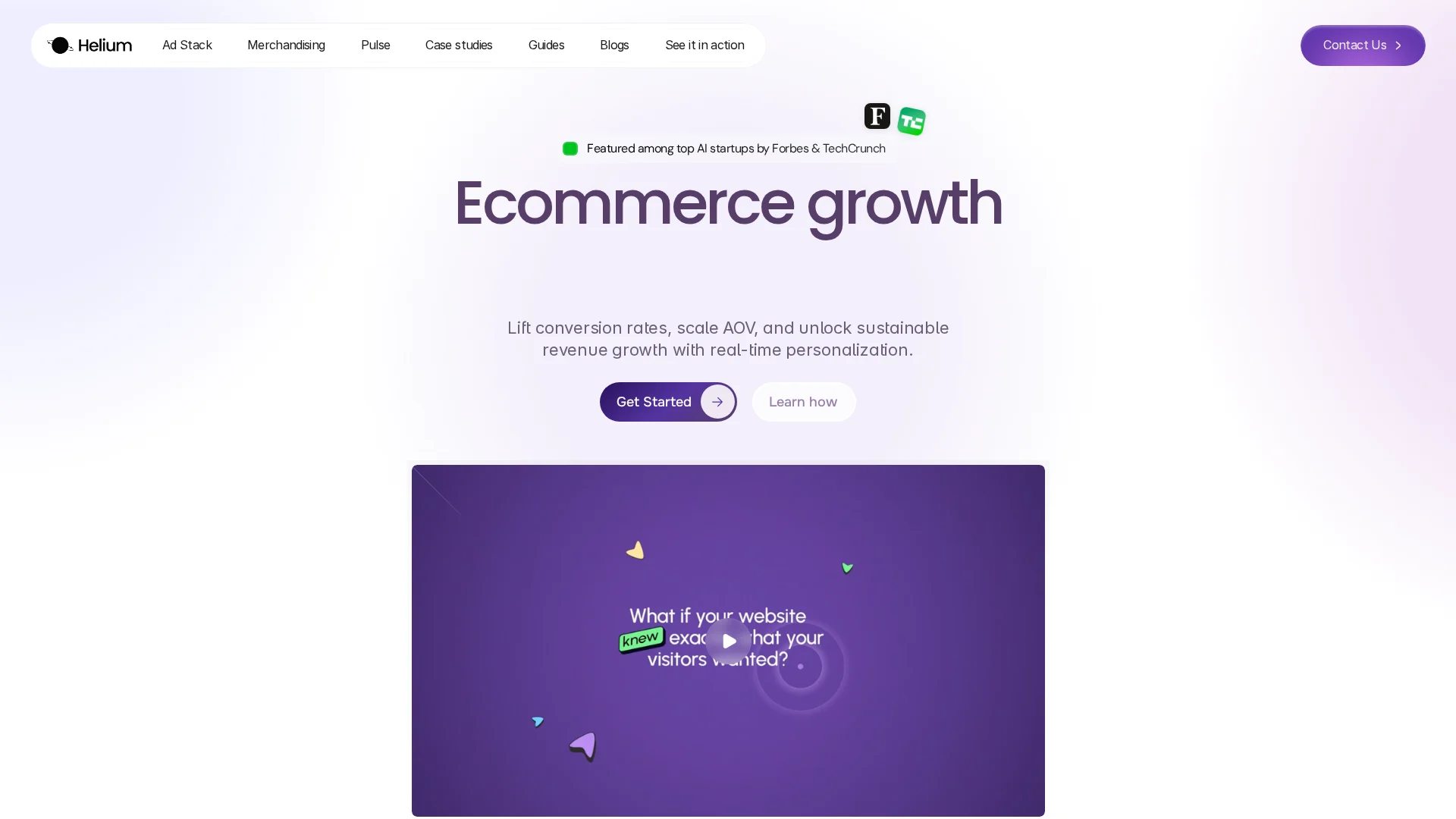
Helium is best for dynamic merchandising and personalized cross-sells at scale. It adapts product order, collection logic, and recommendations to live shopper intent, not fixed rules, with real-time personalization and AI merchandising.
Highlights
- AI merchandising and personalization for ecommerce
- Dynamic recommendations and collection sorting
- Strong AOV focus Specs
- Best for: Performance-driven D2C teams
- Use case: Adaptive cross-sell merchandising Pros
- Strong for larger catalogs and shopper segments Cons
- Needs a mature testing mindset It ranks third because it makes cross-sells smarter at the merchandising layer.
Last updated: July 14, 2026
Also Read: Top Trends Reshaping D2C Product Recommendations in 2026
4. Verifast AI
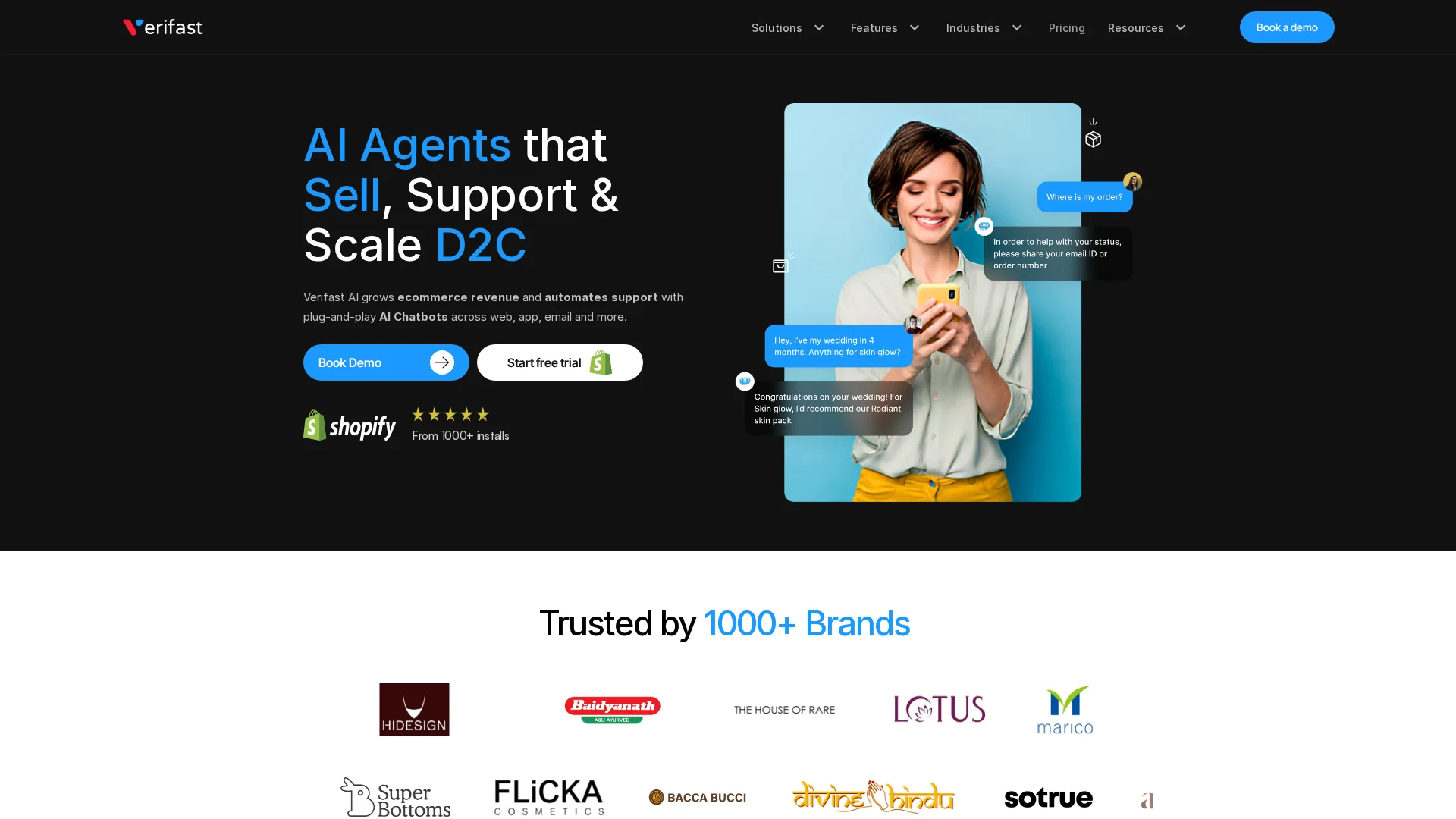
Verifast AI is best when you want intent-based upsells and combo offers that raise basket size. It works well for routine-led shopping, where the next add-on depends on a shopper’s goal, concern, or regimen.
Highlights
- Chat-led upsells, cross-sells, and combo nudges across website, WhatsApp, Instagram, and email
- Intent signals and larger-pack or add-on suggestions
Specs
- Best for: Intent-based cross-sells
- Primary channel: Website and omnichannel chat
Pros
- Strong for beauty, wellness, and personal care
Cons
- Less distinct if you only need simple product tiles
It ranks fourth because it ties clear shopper intent to bundle recommendations with low friction.
Last updated: July 14, 2026
Honourable Mentions
A few strong options missed the main ranking but still fit specific D2C needs. These runners-up stand out when your cross-sell goals depend on channel coverage or internal sales workflows.
- 5. YourLio AI - Best for omnichannel cross-sells with one memory across every buyer touchpoint.
- 6. Sagepilot - Best for AI employee workflows that can recommend upgrades and add-ons.
How to choose the right cross-sell play
Pick based on where shoppers get stuck and how much guidance they need.
- Choose Kandid if buyers ask questions before adding a second item. It fits complex, spec-heavy, or compatibility-driven catalogs best.
- Choose a Shopify-native stack if you need fast setup and want fewer ops changes.
- Choose a personalization platform if your catalog is large, seasonal, or split by intent.
- Choose an omnichannel tool if shoppers bounce between site, WhatsApp, Instagram, and email.
- Choose a bundle builder if customers buy routines, kits, or outcomes instead of single SKUs.
Best rule: match the tool to the hesitation point - PDP, cart, checkout, or post-purchase.
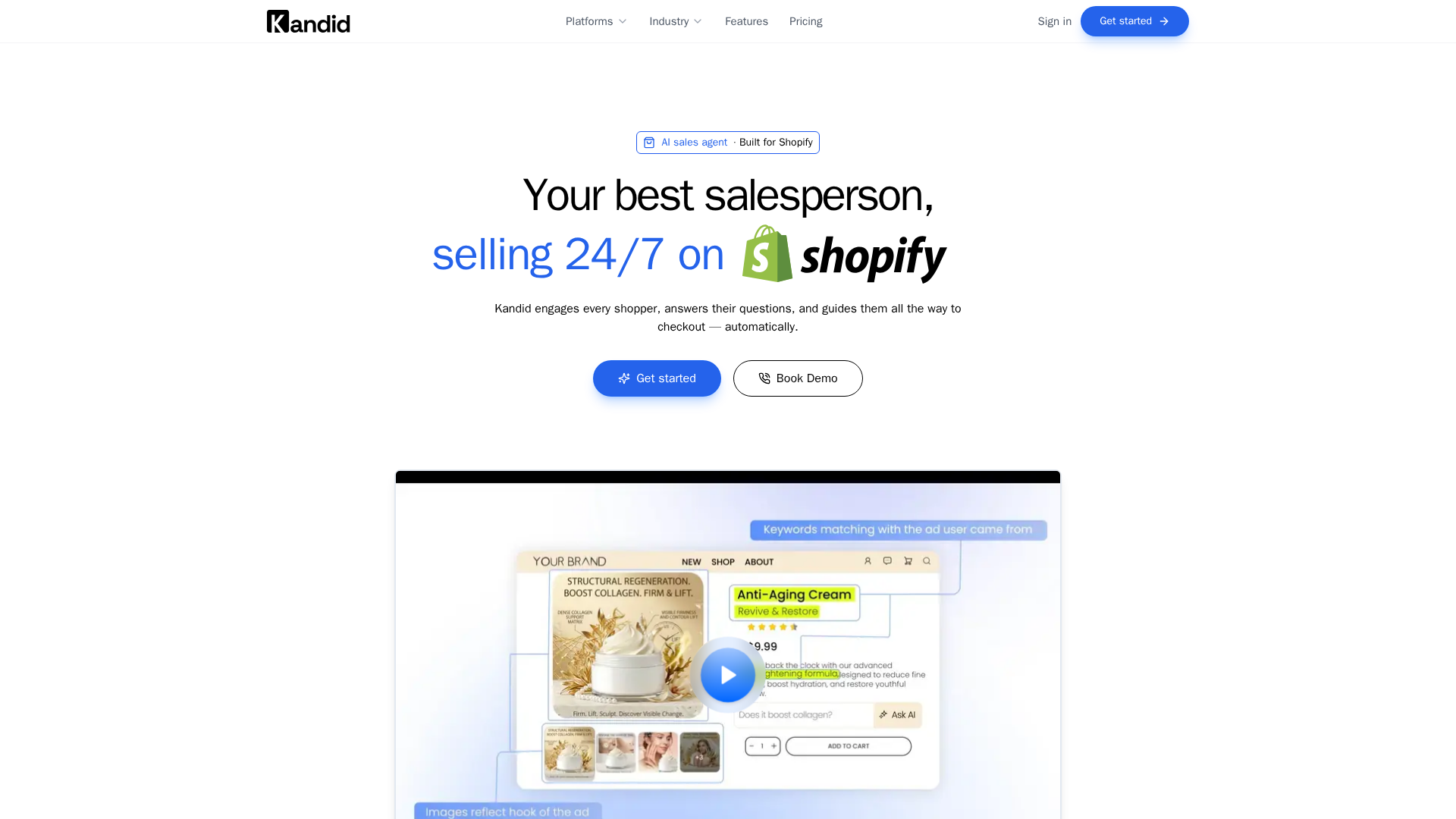
Want higher AOV without blunt bundles? Kandid uses real-time AI sales agents to recommend the right cross-sells, answer fit questions, and convert more high-intent shoppers fast.
Frequently Asked Questions
Q1: What are the most effective cross-sell and upsell strategies to boost AOV for D2C brands?
Use cart add-ons, bundle builders, post-purchase offers, and product page pairings. Match offers to intent, margin, and fit. Keep choices tight. Show why the add-on matters, not just that it exists.
Q2: How does real-time AI sales agents like Kandid increase average order value through product recommendations?
Kandid reads shopper questions in real time, handles fit and compatibility concerns, and suggests relevant add-ons before buyers leave. That helps brands cross-sell higher-value items with better timing than static rules.
Q3: What are the top 9 proven tactics for increasing cross-sells that drive higher AOV in D2C ecommerce?
Top tactics include accessories, bundles, replenishment add-ons, warranty offers, upgrade nudges, cart thresholds, quiz-led pairings, post-purchase upsells, and AI-guided recommendations. The best mix depends on catalog depth, price point, and buying friction.