Latest Trends in D2C Product Recommendations Worldwide in 2026
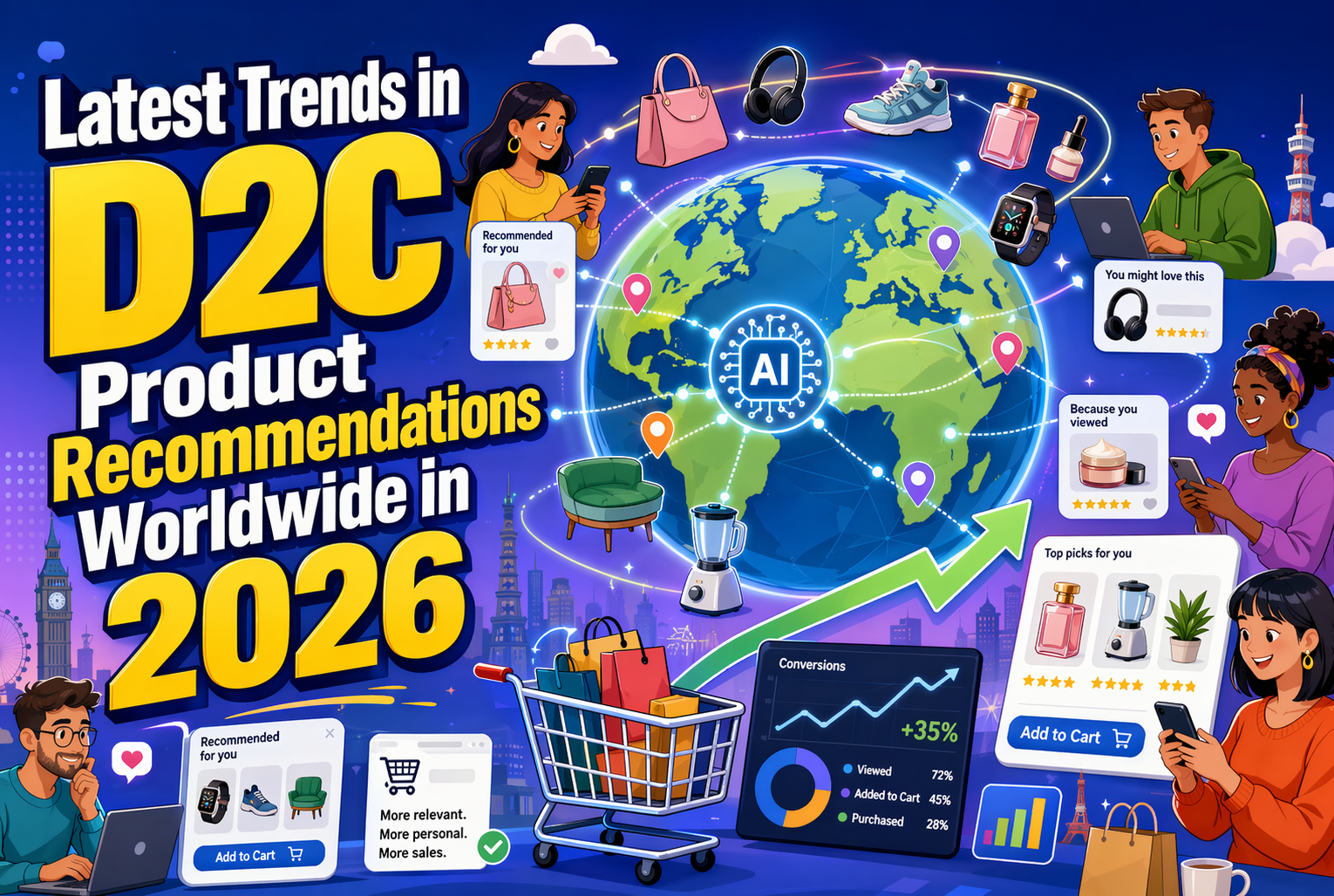
Quick Summary: In 2026, D2C brands rely on real-time AI that reads live shopper behavior and first-party data to deliver personalized, context-aware recommendations. Static product suggestions are being replaced by sequence-aware models that adapt instantly to customer intent within their journey. Brands need to focus on improving data quality and integrating recommendations into key shopping moments to boost conversions. Using AI-driven guidance and live signals now significantly enhances product discovery and sales.
In 2026, D2C recommendations react in the moment, not after the fact. Static "customers also bought" blocks are giving way to AI that reads live behavior, first-party data, and even agent-led shopping paths across channels. That shift matters because shoppers now expect instant relevance, while cookie loss and split data weaken old stacks. This article zeroes in on the key change: how real-time AI and first-party data improve recommendation quality, conversion, and product discovery strategy.
Why AI-Powered Recommendations Are Winning In 2026
Static “you may also like” blocks are losing ground. Brands now win with sequence-aware models that read clicks, views, carts, and timing as one journey. Shopify says its 2026 recommender predicts the next step from full buyer sequences, not summary signals, which helps recommendations stay relevant in real time Shopify’s commerce engine.
What the market sees now is simple:
- Faster adaptation to session intent
- Better use of first-party data
- Stronger lift from fresh signals
Uber says its newer stack mixes behavioral sequences with near-real-time features and cut feature lag from days to seconds, so recommendations react within the session near-real-time features.
Also Read: Comprehensive Guide to D2C Product Recommendations for 2026
First-Party Data Is Now The Core Recommendation Signal
Which signals matter most now
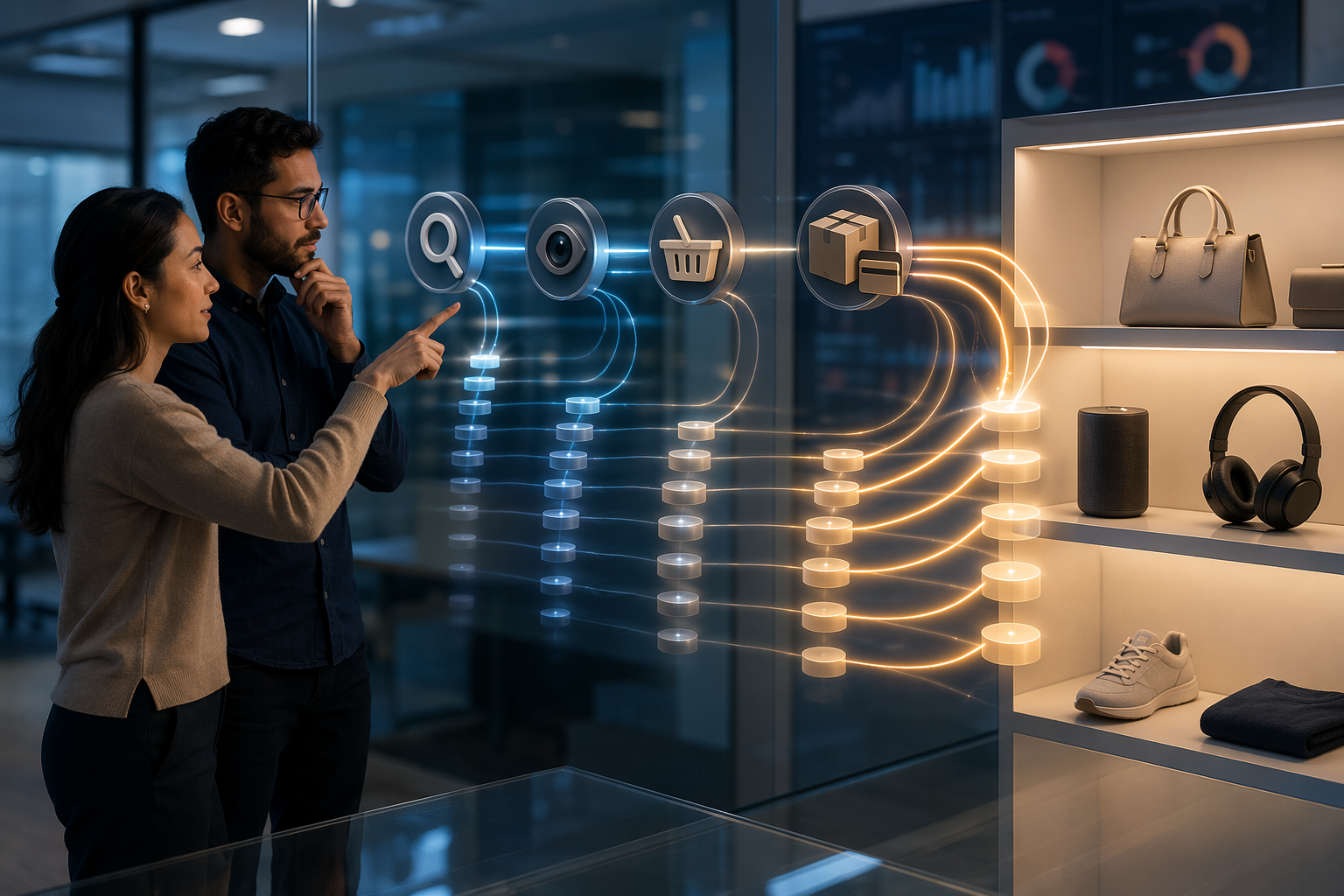
Recommendation quality now depends on signals you collect yourself. Shopify says strong models read sequences of searches, views, add-to-carts, favorites, and purchases, plus timing and recency, not just single clicks, in its 2026 engineering write-up.
- Highest-value signals:
- Purchase history
- Add-to-cart and save actions
- Current session intent
- Explicit preferences
- Recency
Why product data quality is a recommendation issue
Bad catalog data breaks relevance fast. If specs, variants, compatibility, or stock fields are wrong, the model ranks the wrong item, even with good shopper data.
| Product data field | Recommendation impact |
|---|---|
| Attributes | Improves match quality |
| Variant mapping | Prevents wrong size or color suggestions |
| Compatibility data | Avoids costly returns |
| Availability | Stops dead-end recommendations |
First-party behavior tells the system who wants what. Clean product data tells it what can actually be recommended.
Also Read: Top Trends Reshaping D2C Product Recommendations in 2026
What This Means For D2C Merchandising Teams
Where recommendations are shifting on the storefront
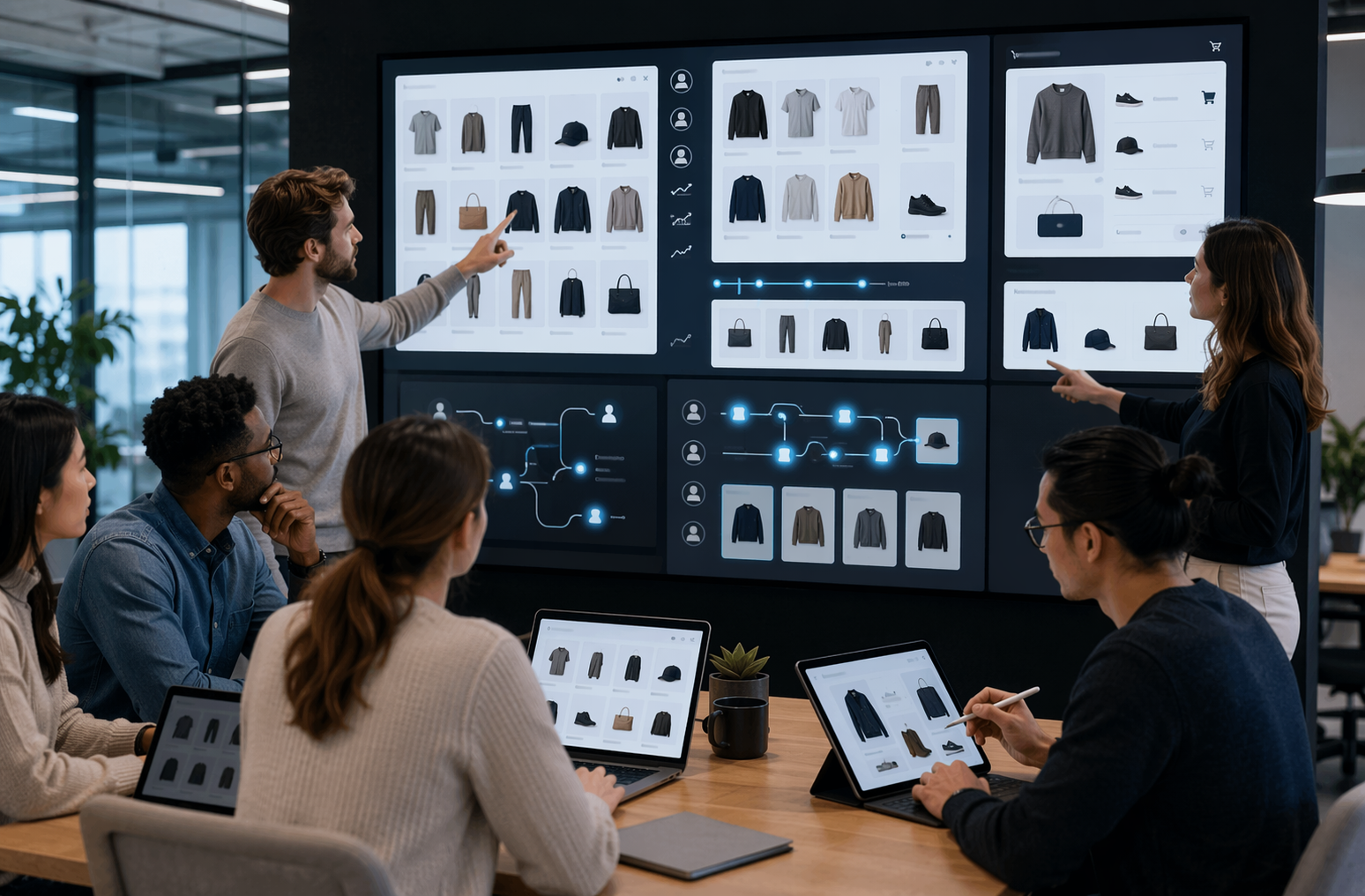
Recommendations now belong in the main path to purchase, not just below the fold on PDPs. Shopify says its new system reads full buyer sequences across searches, views, carts, and purchases in real time on Shopify’s 2026 engineering post.
- Move recommendations into:
- Collection grids
- Cart drawers
- Search results
- Post-add-to-cart moments
The new measurement standard
Stop judging recommendations by CTR alone. McKinsey notes shoppers expect personalized interactions, and frustration rises when brands miss that bar on McKinsey’s personalization research.
| Old metric | Better metric |
|---|---|
| Widget clicks | Incremental conversion lift |
| Revenue per block | Margin-aware AOV |
| Static test wins | Session-level intent match |
Also Read: Kandid vs Manifest: Which D2C Product Recommendation Platform Wins in 2026?
How D2C Brands Can Respond Now
Three immediate priorities for teams
- Fix your data flow first. Get quiz answers, search terms, product views, and purchase history into one profile. Teams using full-funnel AI personalization are seeing conversion lifts of 18 to 34%, according to Ecommerce Times.
- Move from static widgets to live guidance. Shopify says its 2026 recommender reads buyer journeys as sequences across searches, views, carts, and purchases, not just simple signals, as shown in Shopify Engineering.
- Test one high-intent placement now. Start on PDP, cart, or post-add-to-cart. Measure:
- Conversion rate
- AOV
- Recommendation click-through
- Return rate
If you sell complex products, conversational guidance from tools like Kandid can help shoppers faster than rule-based blocks.
Turn 2026 recommendation trends into revenue with Kandid. Deploy real-time AI sales agents that use first-party data, answer buying questions, and guide shoppers to the right product fast.
Frequently Asked Questions
Q1: What are the key AI-driven trends transforming D2C product recommendations in 2026?
Brands now use real-time intent signals, first-party data, and AI agents that answer questions, compare products, and guide checkout. The big shift is from static "you may also like" blocks to live, context-aware recommendation flows.
Q2: How does first-party data optimize personalized recommendations for D2C brands worldwide in 2026?
First-party data helps brands match offers to each shopper using browsing, quiz answers, cart actions, and purchase history. It improves fit, timing, and relevance while reducing reliance on weaker third-party tracking data.
Q3: What role does real-time AI play in enhancing purchase guidance and product comparisons globally in 2026?
Real-time AI reads shopper questions as they happen and returns useful guidance fast. It can explain specs, flag compatibility issues, compare options, and steer buyers to the right SKU, which lifts conversion and cuts hesitation.
Conclusion
D2C recommendations now win with first-party data, live intent signals, and fast AI. Shopify says sequence-based models drive impact at scale in its commerce engine update, while THG reports stronger conversions from context-aware AI shopping assistants.