7 Dynamic Storefront Features to Boost Your Online Sales
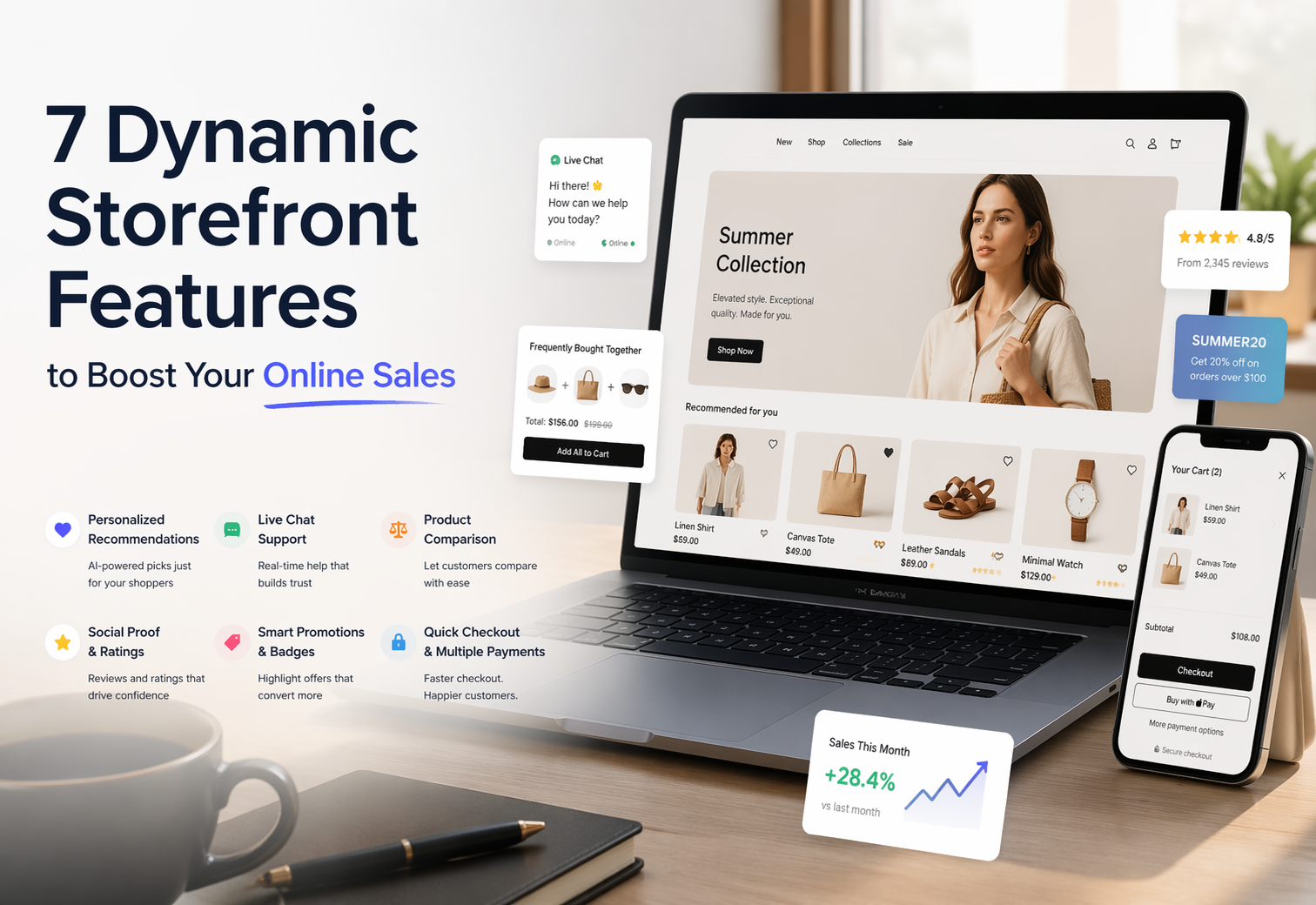
Quick Summary: Dynamic storefront features respond to real-time signals to improve conversions. They include AI chat agents that answer questions instantly, adaptive landing pages that match visitor intent, personalized product recommendations, and behavior-triggered nudges to reduce cart abandonment. Using these tools helps online stores remove doubts, match messaging, and guide shoppers more effectively, especially as customer expectations for speed and relevance grow.
A static homepage cannot keep up when traffic lands from ads, AI search, Instagram DMs, and retargeting at the same time. Most stores still show every visitor the same products, copy, and CTA, so high-intent traffic stalls. These seven Online Store Features help your store respond in real time. This guide shares Ecommerce Conversion Tips, sharper Shopify Store Optimization ideas, and practical Ecommerce Conversion Tips based on what 2026 teams can test fast.
Quick Comparison
| Feature | Best for | Primary conversion job | Typical implementation area |
|---|---|---|---|
| Real-Time AI Sales Agent | Complex catalogs and consultative D2C buying journeys | Turn questions and objections into purchases | PDPs, chat widget, cart, and post-click journeys |
| Adaptive Landing Pages | Traffic from ads, AI discovery, email, SMS, and campaign links | Match page context to visitor intent | Homepage, landing pages, campaign pages |
| AI Product Recommendations | Increasing basket size and guiding product selection | Raise AOV and reduce choice overload | PDPs, cart drawer, checkout, post-purchase |
| Behavior-Triggered Nudges | Reducing bounce and abandonment at key friction points | Recover hesitant shoppers before they exit | PDPs, cart, checkout, exit-intent surfaces |
What to know about dynamic storefronts
Dynamic storefronts change what shoppers see based on live signals like traffic source, clicks, scroll depth, cart state, and product interest. The goal is simple: show the next best message, offer, or proof point right when a buyer needs it.
That matters more in 2026 because shoppers expect faster decisions with less effort. The best Ecommerce Conversion Tips now focus less on flashy pages and more on removing doubt, cutting steps, and matching each visit to real buying intent.
1. Real-Time AI Sales Agent
This is the fastest way to stop losing buyers to hesitation. Kandid acts like a trained store rep, answering product questions and guiding choice in real time, which matters because Adobe found AI shoppers use it for research and recommendations.

Highlights
- Answers product questions instantly
- Recommends items by shopper intent
- Supports complex, technical buying
- Extends to social channels
Specs
- Best for: Complex catalogs and consultative D2C buying
- Primary conversion job: Turn questions into purchases
Pros
- Keeps shoppers in flow
Cons
- Needs strong product data and guardrails, since trust in AI commerce still needs verification. It ranks first because unanswered pre-purchase questions kill conversion fastest.
Last updated: June 24, 2026
Also Read: Kandid's Dynamic Storefront Review: Boost E-Commerce Engagement
2. Adaptive Landing Pages
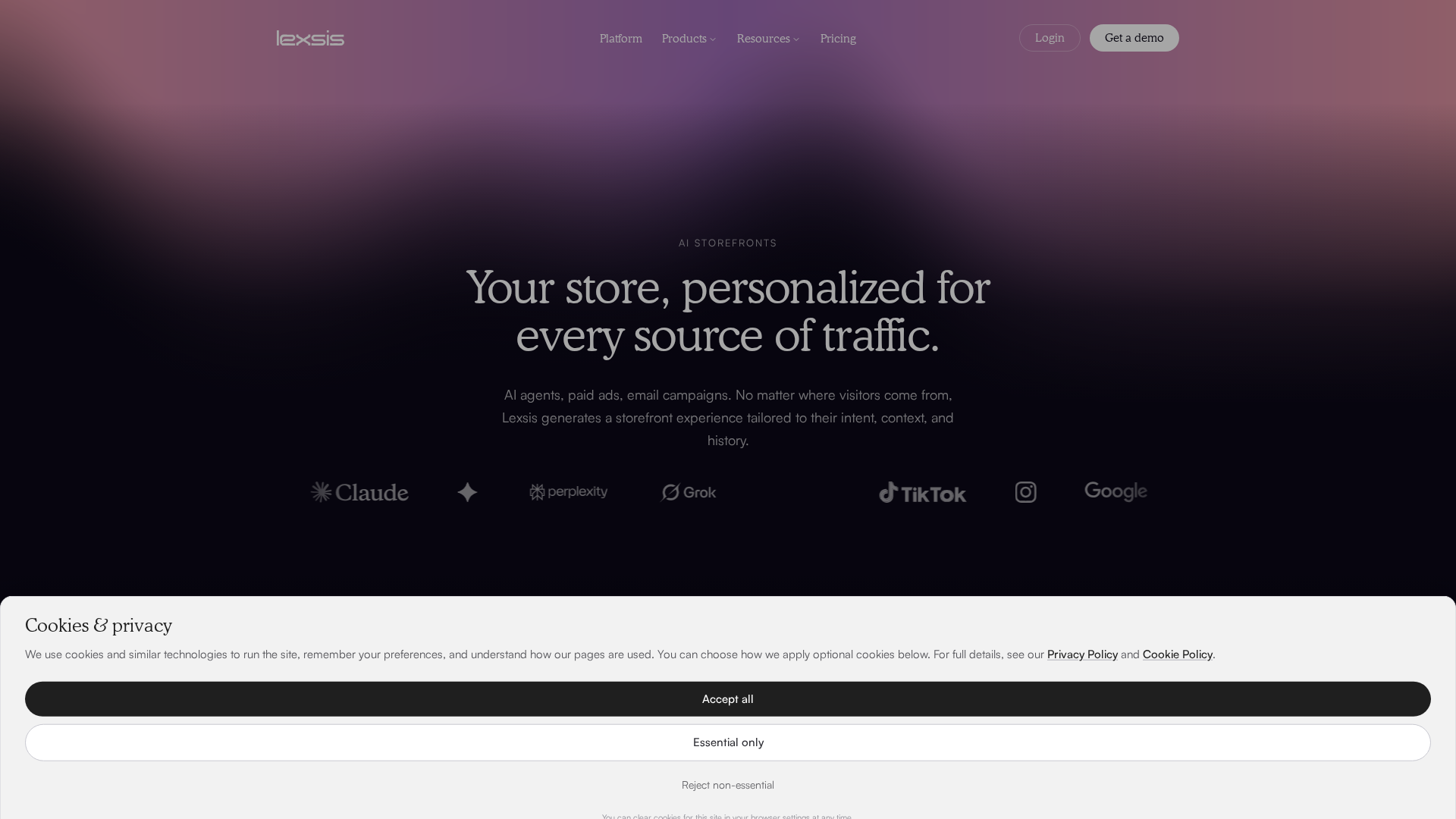
Adaptive landing pages reshape the page by traffic source, intent, and visitor history. That helps you keep ad promise and page experience aligned, which matters because message match directly affects conversion and landing page relevance impacts paid performance.
Highlights
- Personalizes for paid ads, AI-agent traffic, email, SMS, and campaign links
- Adapts on-domain in real time from multiple visitor signals Pros
- Stronger message match and post-click conversion Cons
- Needs clean campaign data and structure It ranks here because it fixes high-intent traffic that clicks but lands on the wrong page.
Last updated: June 24, 2026
Also Read: Dynamic Storefront Review: How AI-Powered Storefronts Are Reshaping Ecommerce in 2026
3. AI Product Recommendations
Machine-learned suggestions help shoppers pick faster and spend more. PersonalizerAI turns static merchandising into a live system with bundles, similar items, and post-purchase offers that adapt to behavior and basket context.

Highlights
- Cross-sell and upsell blocks across PDP, cart, checkout, and post-purchase
- Real-time product recommendations can lift cart value, with one 2026 report citing a 31% increase and another showing 23% higher AOV
Pros
- Quick to test
- Great for large catalogs
Cons
- Feels generic if logic is weak
- Needs enough data to learn well
It ranks here because it reliably raises AOV while cutting choice overload.
Last updated: June 24, 2026
Also Read: How to Build a Dynamic Storefront for Maximum Conversion
4. Behavior-Triggered Nudges
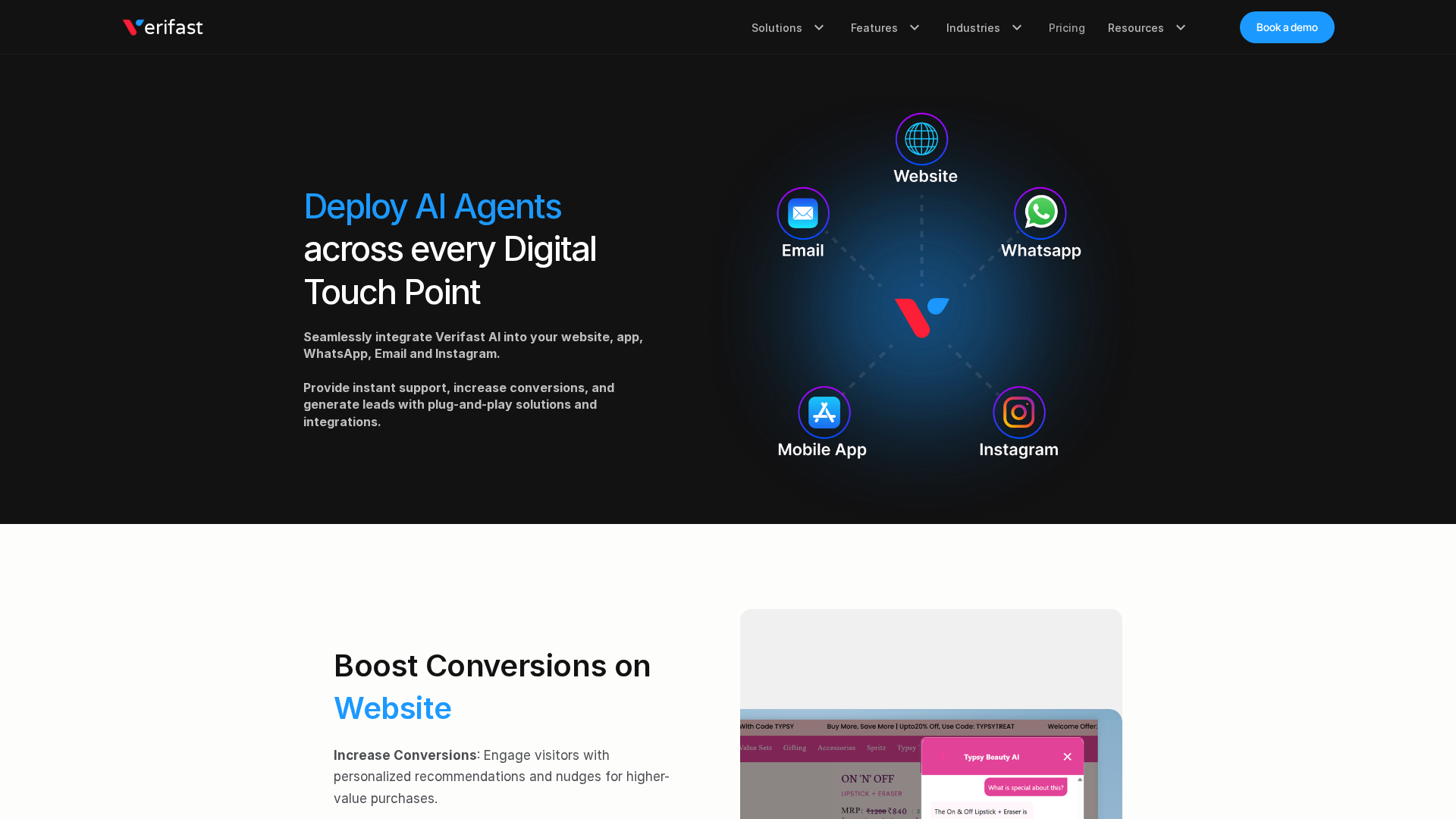
Shoppers often leave because one doubt goes unanswered. Verifast focuses on prompts that react when users dwell, hesitate, or show exit intent, which matters when average cart abandonment still sits above 70% across Baymard’s dataset.
Highlights
- Triggers on dwell time or exit intent
- Proactive product guidance on PDPs, cart, and checkout
- Helps with cart abandonment recovery
Pros
- Catches high-intent hesitation fast
Cons
- Can feel intrusive if overused
It ranks here because timing beats generic popups when traffic is strong but completion is weak.
Last updated: June 24, 2026
Honourable Mentions
A few strong features missed the top tier but still deserve a look for specific jobs.
- Dynamic Search and Discovery - Search that reads intent and shifts discovery in real time.
- Personalized Homepage Modules - Homepages that swap heroes, collections, and CTAs by visitor behavior.
- Live Attribution and Merchandising Analytics - Reporting that ties dynamic changes to actual revenue.
How to choose the right dynamic storefront features
Pick the feature that removes the main reason people do not buy.
- Too many pre-buy questions? Start with an AI sales agent. This matters most for technical, high-consideration products. Kandid fits well here.
- Traffic from paid social, email, or AI discovery? Prioritize adaptive landing pages so message and page stay aligned.
- Big catalog? Fix search and recommendations first. Better findability often lifts conversion and AOV fastest.
- Want nudges? Use them only with clear timing rules.
- Lots of repeat visitors? Choose homepage personalization.
- No clean measurement yet? Set up attribution and analytics before broad rollout.
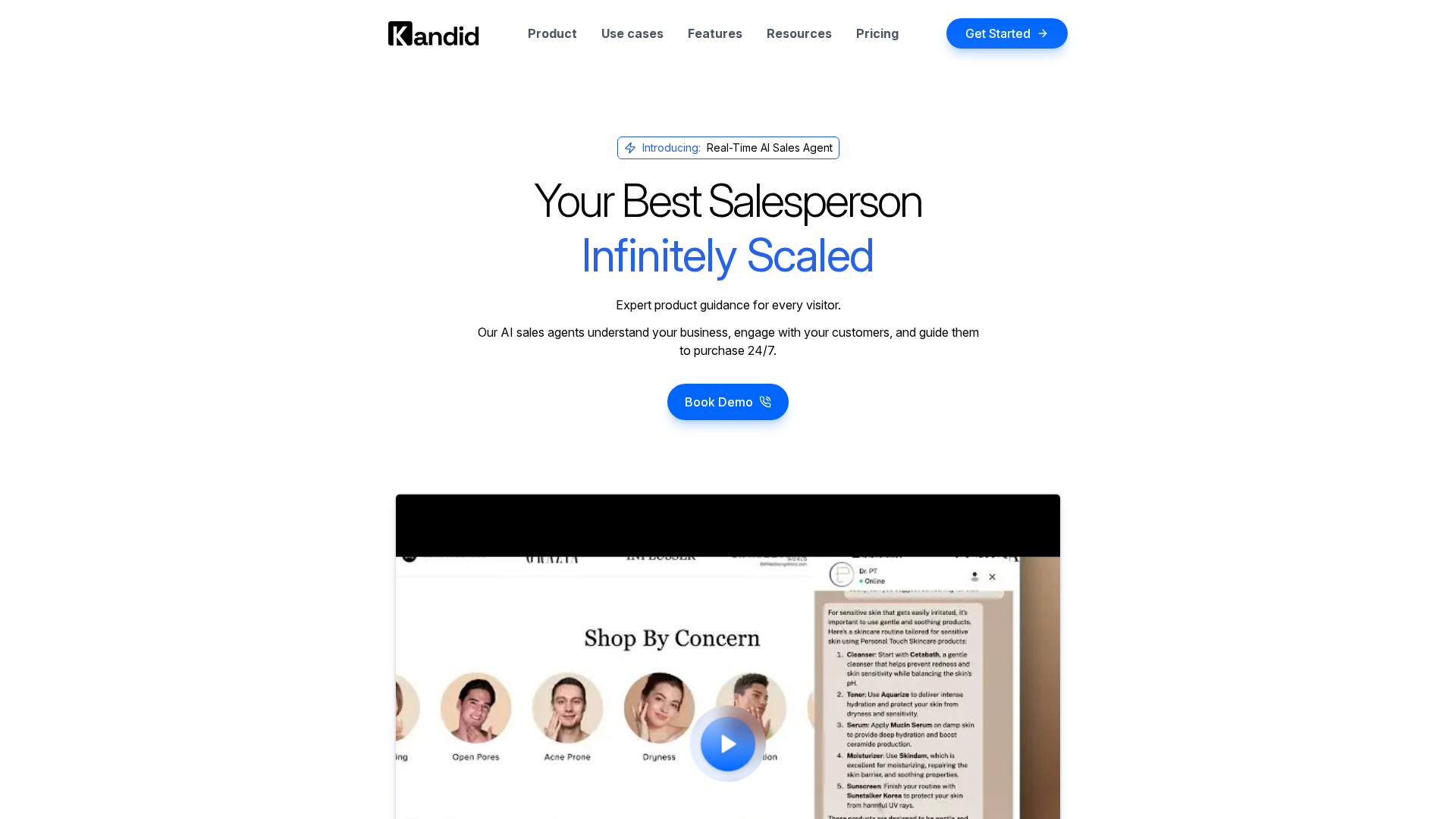
Want dynamic storefront lift without a long build cycle? Try Kandid to turn product questions, comparison friction, and buying hesitation into more conversions, higher AOV, and stronger ROAS.
Frequently Asked Questions
Q1: What are the top 7 features that make a storefront AI-driven and conversion-focused in 2026?
Think guided selling, smart search, live product answers, dynamic bundles, behavior-based offers, real-time social proof, and adaptive merchandising. The best mix cuts friction, answers buying doubts fast, and pushes shoppers toward the next clear step.
Q2: How does real-time AI sales agents increase online storefront conversions and ROAS?
They answer questions in the moment, handle product fit and spec concerns, and keep shoppers from bouncing to support or Google. Tools like Kandid help brands turn high-intent visits into more checkouts, stronger AOV, and better paid traffic efficiency.
Q3: What best practices ensure high engagement with dynamic storefront elements for eCommerce growth?
Keep each element useful, fast, and tied to buyer intent. Show it at the right page and moment. Start with product detail pages, measure clicks to cart, and avoid stacking too many prompts, popups, or competing messages.