Live Chat vs AI Chatbot: Which One Actually Converts Better in 2026?
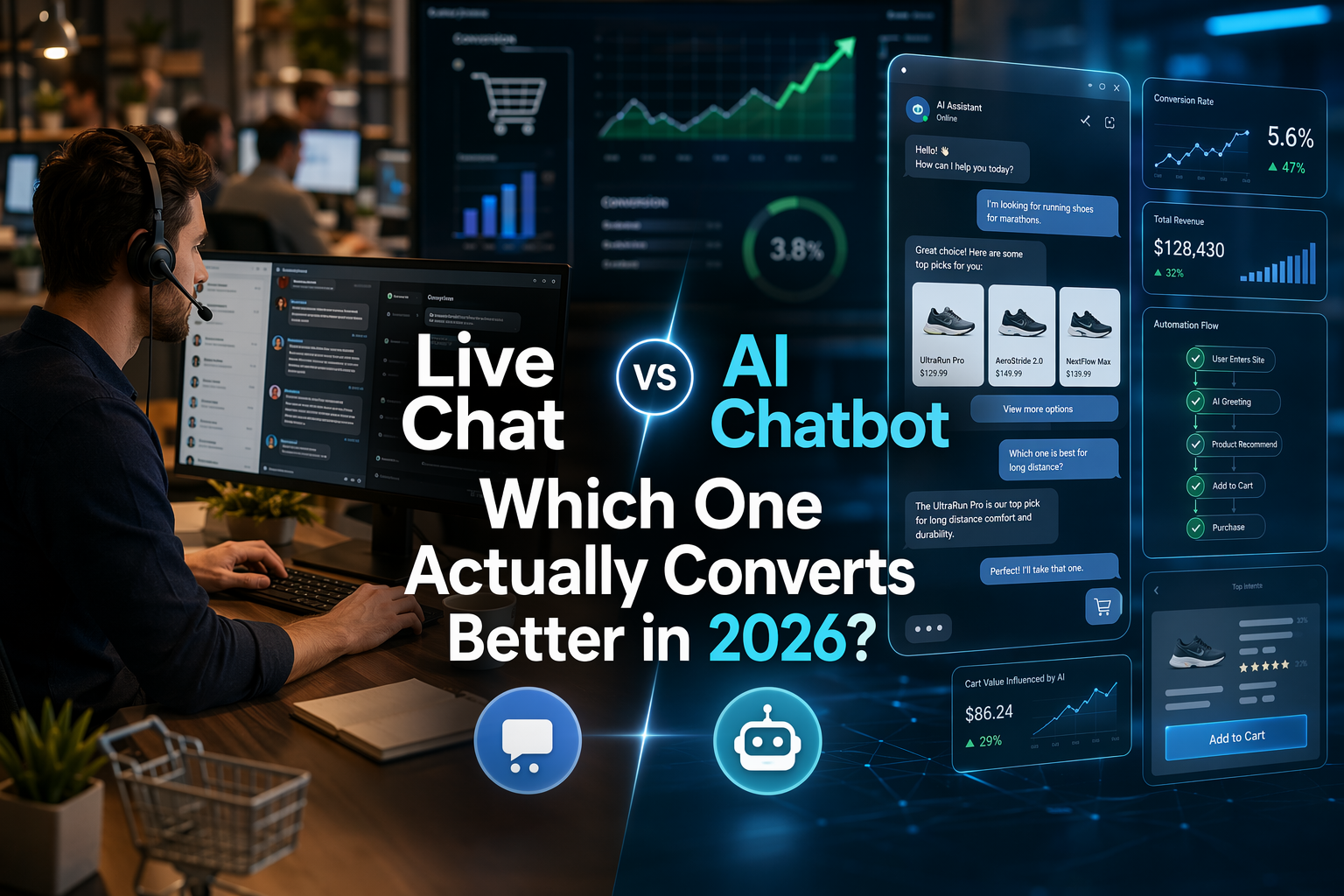
If your D2C site chat converts under 3-4% of engaged visitors, you are losing sales. Teams now juggle pricey live agents and bots that miss nuance. This comparison uses 2026 controlled data on AI chatbot conversion, cost, speed, and recovery. We have seen this in conversion rate optimization work, including Kandid AI agent tests, where AI chatbot conversion improved fast when human handoff was tight.
Live Chat vs AI Chatbot: Side-by-Side Comparison for D2C
| Live Chat (Human-Staffed) | AI Chatbot (e.g. Kandid AI Agent) | |
|---|---|---|
| Conversion Rate (engaged visitors) | 2.8% during staffed hours; 0% after hours | 1.5-2% per session; 3.2% overall (24/7 capture) |
| Response Time | 46 sec median; spikes to 3-5 min during peak | Under 2 seconds, every conversation |
| Availability | Business hours only (8-12 hrs/day) | 24/7/365 - never offline |
| Cost Per Conversation | $5–$12 per chat (agent + software) | $0.50–$1.50 per chat (flat monthly fee) |
| Cart Abandonment Recovery | 10-15% recovery rate | 20-35% recovery rate with behavioral triggers |
| Best For | High-ticket items ($500+), complex technical products, emotional/negotiation scenarios | High-volume D2C stores, after-hours capture, repetitive product FAQs, scaling without headcount |
How Live Chat (Human-Staffed) and AI Chatbot (e.g. Kandid AI Agent) Compare
Live Chat (Human-Staffed)
Live chat uses real agents for real-time help during set business hours, often 8 AM to 6 PM, which matches common support windows noted here. It fits brands selling high-ticket or technical products where trust, empathy, and back-and-forth matter most.
AI Chatbot (e.g. Kandid AI Agent)
An AI chatbot is a 24/7 sales agent trained on your catalog, FAQs, and brand voice. It fits high-volume D2C stores that need instant replies, after-hours capture, and stronger AI chatbot conversion without adding headcount.
Key strengths
- Instant replies
- Always on
- Lower cost per chat
Conversion Rates: Why the AI Chatbot Wins Total Conversions Despite a Lower Per-Session Rate
Live chat can beat an AI chatbot on per-session close rate when a human joins a high-intent shopper at the right time. But AI often wins total conversions because it never goes offline. U.S. e-commerce data shows mobile now drives most holiday transactions at 56.4% of online sales, and mobile shoppers keep buying across more hours of the day, according to Adobe’s 2026 holiday report.
The math is simple. A human team covers peak hours. An AI agent covers every visitor, including nights, weekends, and global traffic. Research on 1M+ orders found mobile buying stays active late, while desktop fades earlier, per SureBright’s time-of-day analysis.
Also Read: AI Sales Agents vs Human-Only Support: Performance Reality
Cost Per Conversation: How AI Chatbots Deliver a 12x Advantage
Live chat gets expensive fast because labor is the real cost. In 2026, live chat runs about $5-$9 per contact, while AI chatbot interactions average about $0.50 according to Stealth Agents' 2026 benchmarks. That is where the 12x gap comes from.
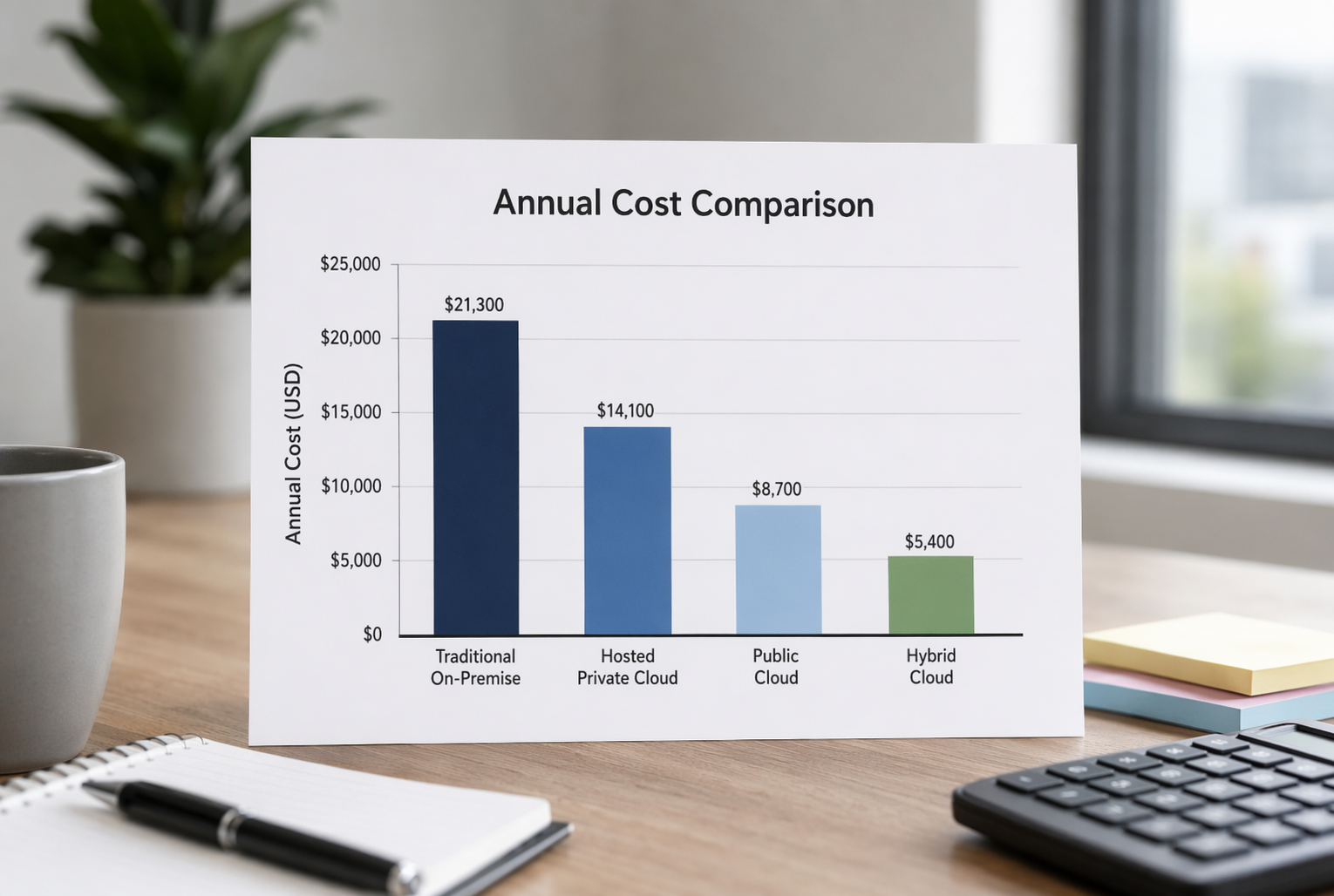
A human team also needs coverage, training, QA, and tool seats. For D2C brands, that cost rises at night, on weekends, and during promos. The Office Gurus' 2026 benchmarks put live chat at $5-$9 and self-service at $0.10-$0.60.
If most questions are product, shipping, or order-status related, AI usually wins on pure unit economics.
Also Read: AI Sales Agents: 7 Metrics to Prove Revenue Impact
Cart Abandonment & Revenue Recovery: The 20-35% Edge
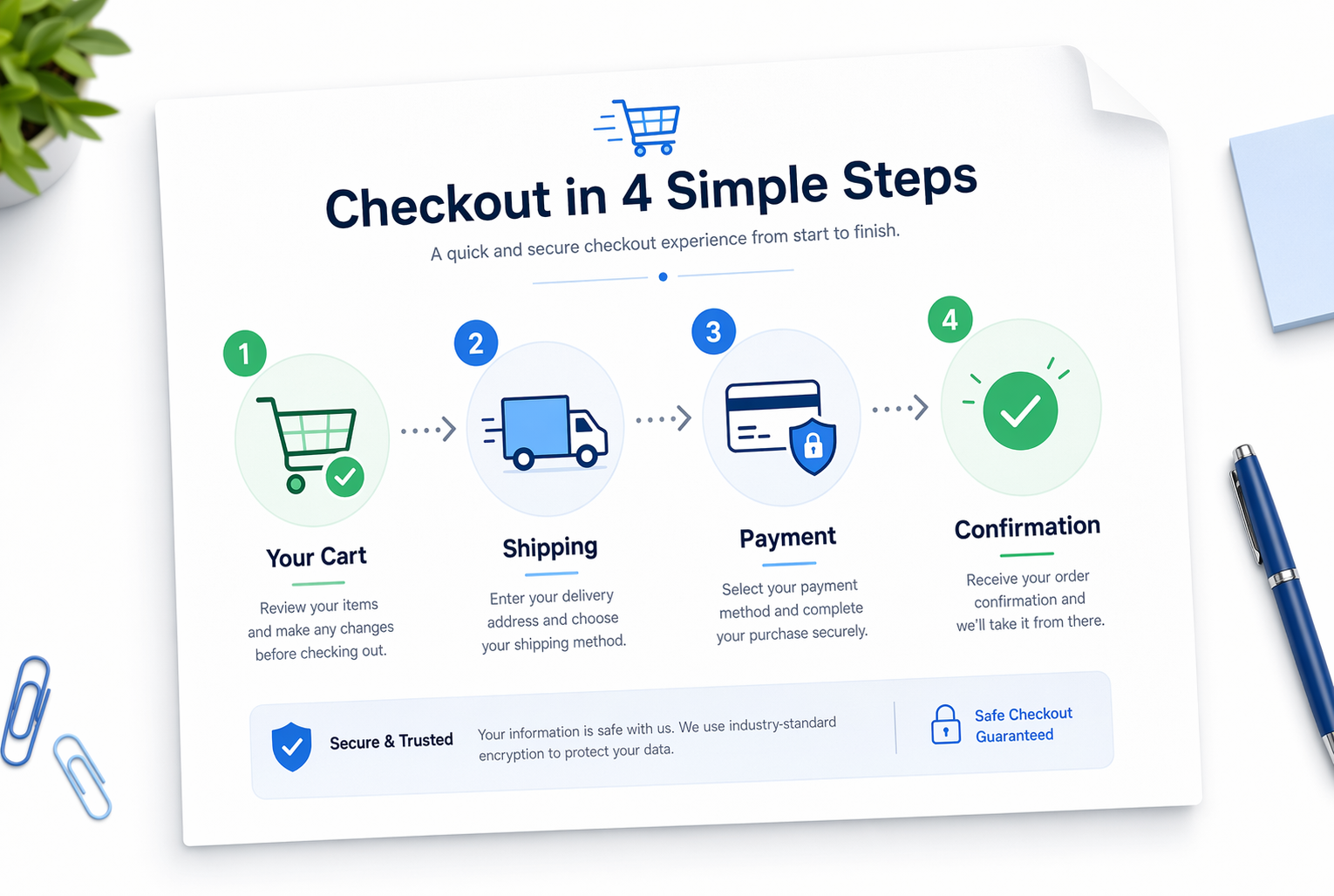
About 70.22% of carts still get abandoned, so recovery speed matters fast. Baymard also says better checkout design alone can lift conversion by 35.26% on large ecommerce sites, which is why AI often beats live chat after hours and on high-volume traffic Baymard’s 2026 data.
- AI chatbot edge:
- catches exit intent
- answers shipping or fit questions instantly
- nudges buyers back before they leave
Live chat helps most when the cart is complex or high value.
Also Read: Visitor Engagement Automation vs Chat-Only Interactions
Which Should You Choose: Live Chat, AI Chatbot, or Both?
Choose based on buying complexity and traffic volume. For simple, repeat questions, AI wins on speed. For high-stakes carts, product fit, and objections, live chat still closes better.
A practical rule:
- AI chatbot only - large traffic, limited team, many routine questions
- Live chat only - low traffic, high AOV, complex buying decisions
- Hybrid - best for most D2C brands
Verint’s 2026 CX report says 78% of customers will trade channel preference for faster resolution. Comm100’s 2026 benchmark shows strong bot-to-agent handoff satisfaction when brands escalate well.
If shoppers ask layered product questions, use AI first and route sales-ready buyers to humans fast.
Want AI that actually sells, not just answers? See how Kandid turns high-intent traffic into conversions with real-time product guidance, 24/7.
Frequently Asked Questions
Q1: Does live chat or AI chatbot convert better for D2C ecommerce in 2026?
AI chatbots usually convert better at scale because they reply fast, never go offline, and handle every shopper at once. Live chat wins on complex, high-ticket sales. Most D2C brands get the best result from AI first, human backup second.
Q2: What is the average conversion rate for AI chatbots vs live chat?
AI chatbot conversion rates vary by traffic quality and setup, but they often beat live chat on total assisted conversions because coverage is 24-7. Live chat can convert better per conversation, yet it misses visitors when agents are unavailable.
Q3: How much does live chat cost vs an AI chatbot per month?
Live chat usually costs more because you pay for staff, training, and coverage hours. AI chatbots often start lower, then scale by usage. For brands with steady traffic, AI usually gives a better cost-to-conversion ratio than human-only chat.
Conclusion
AI chatbots win on speed, scale, and cost. Live chat wins on trust and complex sales. The best setup is hybrid, backed by 2026 conversion data and ROI benchmarks.