Live Chat AI Chatbot Gets CRM and Appointment Tools
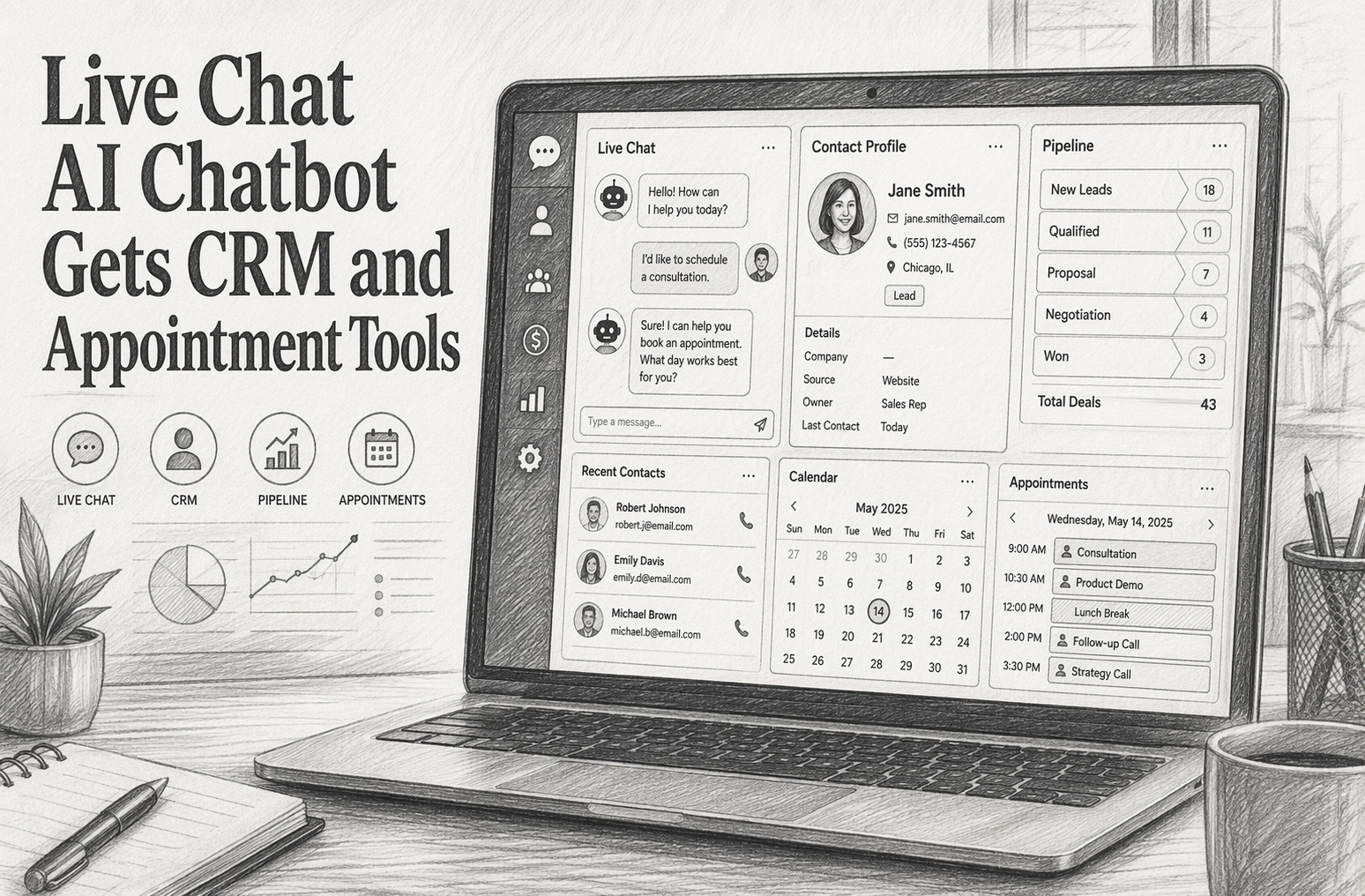
Quick Summary: Kandid's AI chatbot now connects chat data directly to CRM and booking tools, making it easier for teams to turn conversations into follow-ups and booked appointments. This helps reduce drop-offs in high-intent chats and improves lead quality for brands, especially in e-commerce and technical fields. The update aligns with a broader trend of AI integrating more deeply into sales and support workflows.
Kandid’s AI Chatbot now does more than answer product questions. It links chat data to CRM Tools and booking flows, so teams can move shoppers from first message to follow-up faster. That matters because high-intent chat traffic often drops between reply, record capture, and scheduling. This piece looks at how this AI Chatbot upgrade changes Live Chat Software for commerce teams. We cover why this AI Chatbot matters for brands that need chat to drive pipeline, not just support.
What the new CRM and booking layer changes for Kandid users
Kandid now closes a common gap: a strong chat no longer ends as a loose transcript. It can become a usable customer record, then a booked next step. That matters because newer AI systems in commerce are moving toward shared customer profiles, where each conversation writes intent and preferences back into the CRM, as CMSWire reported on Klaviyo’s 2026 launch.
- Chat context becomes CRM context
- Lead details can move straight into follow-up
- Sales and support teams get cleaner handoff data
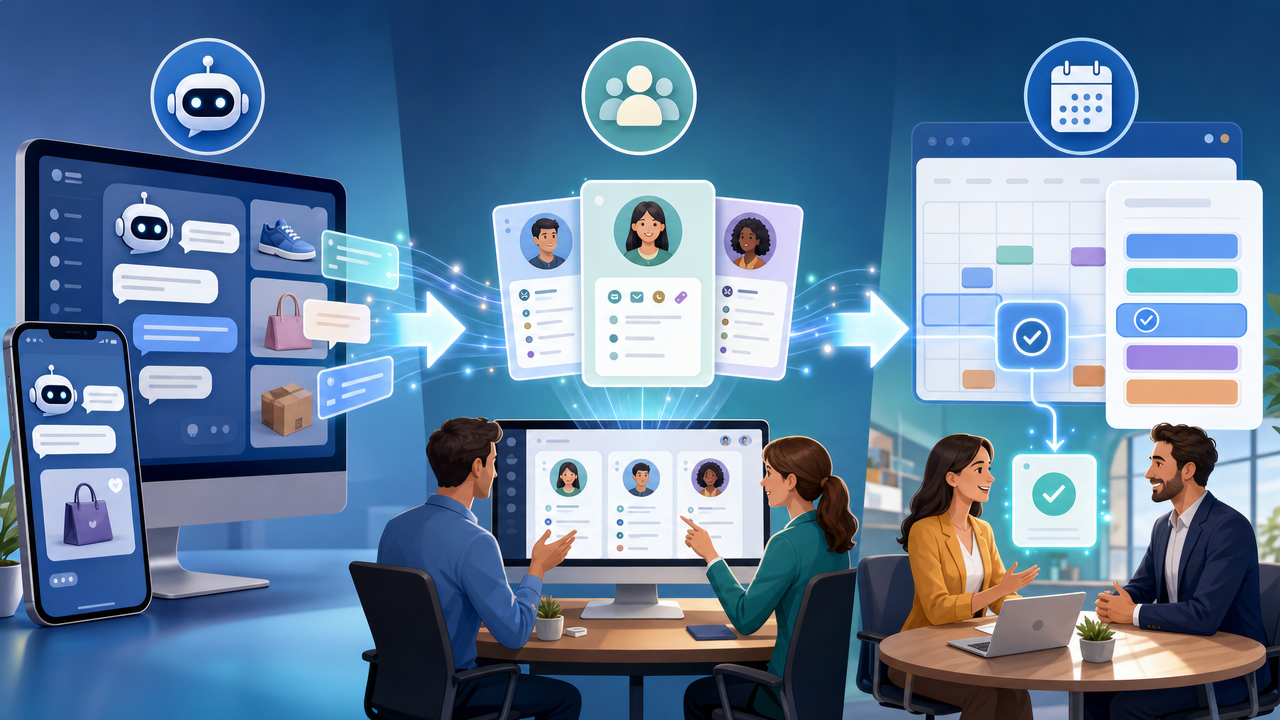
Appointment tools matter most when the shopper is ready now. If someone asks about fit, stock, or setup and wants a demo, consult, or callback, delay kills momentum. HighLevel’s 2026 booking flow shows why: the bot can collect contact details, offer time slots, and confirm the booking inside the conversation, reducing back-and-forth in the booking workflow guide.
For high-intent chats, the win is not just automation. It is fewer dropped prospects between question and action.
Also Read: Ultimate Guide to Live Chat & AI Chatbot Integration Strategies
How the workflow can help D2C and technical product brands
D2C brands get better leads when chat context flows into CRM records. A skin care brand can see allergy concerns, routine goals, and price limits before a rep follows up. An EV or tech brand can capture battery range questions, fit issues, and model comparisons instead of just a name and email. Microsoft notes that newer CRM workflows work best when they pull context from chats and help teams act inside the same flow, not after the fact, according to Microsoft’s 2026 agentic CRM update.
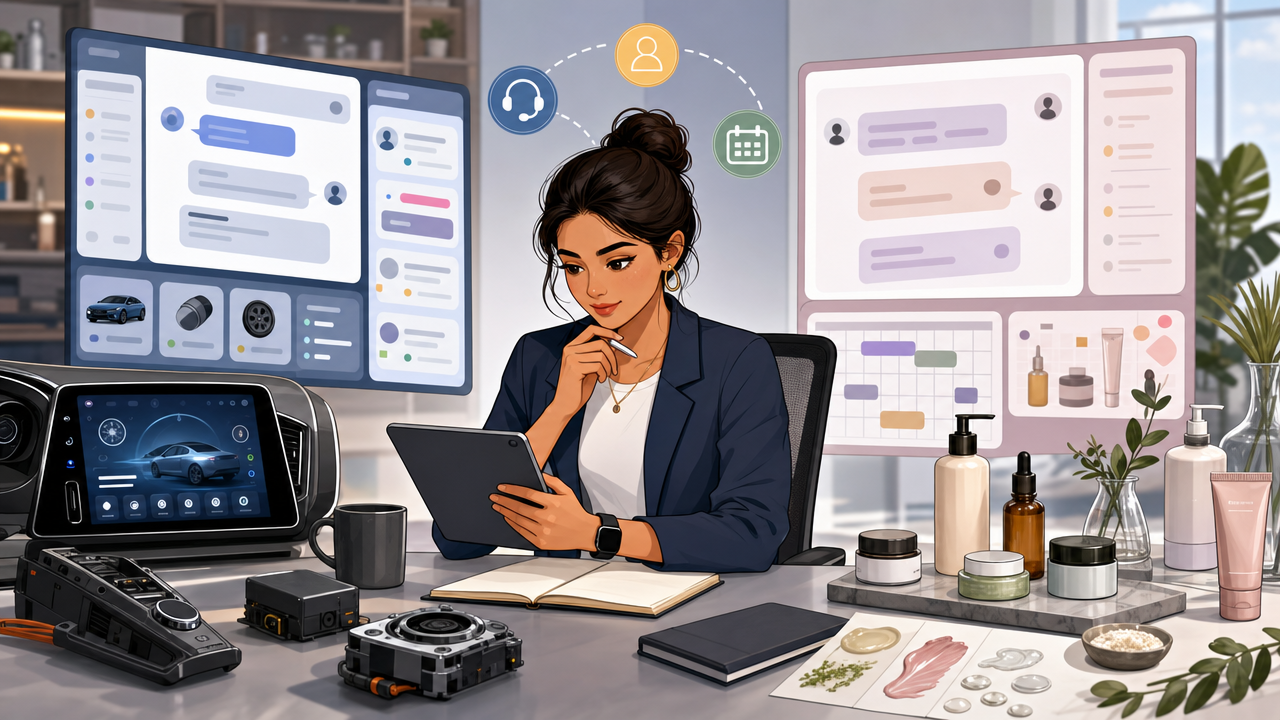
Appointment booking inside chat cuts drop-off. If a shopper asks about installation, shade matching, or vehicle compatibility, the next best step is often a call, demo, or consult. Keeping booking in the same conversation removes re-entry and delay. Meta’s 2026 embedded booking launch highlights the same point: fewer steps can improve booking rates and lead quality in high-intent flows, as shown in Meta’s embedded appointment booking rollout.
Also Read: Live Chat vs AI Chatbot: Which One Actually Converts Better in 2026?
How Kandid fits into the current chatbot-CRM market
What the competition already proves
The market already says one thing clearly: chat is moving closer to CRM and revenue workflows. According to Adobe findings covered by The Economic Times, over 78% of firms expect AI agents to handle support soon. TechCrunch also reports Respond.io grew fast by tying messaging to lead qualification and sales actions across channels.
| Market proof | What it means |
|---|---|
| AI agents are going mainstream | Buyers now expect automation |
| Messaging tools connect to sales flows | Chat is no longer just support |
This is the same shift D2C teams care about - fewer dead-end chats, more tracked outcomes.
Why Kandid’s angle is different
Kandid fits this wave, but with a tighter commerce angle. Instead of acting like a generic service bot, it focuses on product questions, fit, specs, and purchase intent on the website itself. That matters for EV, tech, and personal care brands where buyers hesitate before checkout.
- CRM connection helps teams keep chat data tied to real customer records
- Appointment tools add a next step for high-consideration sales
- Brand and catalog awareness makes answers more useful than basic FAQ bots
- Capture buyer intent
- Sync it to CRM
- Book the next action
Read the main pillar post for the full product update and rollout context.
Turn chat into booked meetings and cleaner customer records with Kandid. See how real-time AI sales agents help your team qualify shoppers, sync context, and drive more revenue.
Frequently Asked Questions
Q1: How does Kandid's live chat AI integrate with CRM and appointment scheduling tools to boost customer engagement?
It logs chat data to CRM records, updates lead details, and lets shoppers book demos or consults in-chat. That cuts friction, speeds follow-up, and gives sales teams cleaner context for each buyer.
Q2: What are the key benefits of combining AI chatbots with CRM systems like Salesforce and HubSpot in 2023?
You get better lead capture, fewer lost conversations, and stronger handoffs to sales or support. CRM data also helps the bot personalize replies, qualify intent, and track revenue impact from chat.
Q3: How can Kandid's live chat AI help D2C brands increase conversions and improve session engagement globally?
It answers product questions fast, guides buyers to the right SKU, and handles spec or fit concerns at any hour. That keeps visitors active longer and helps more high-intent sessions turn into orders.
Conclusion
Kandid's update matters because chat now feeds CRM records and booking flows in one path. That fits a wider 2026 shift toward AI tied to shared customer data, as seen in CMSWire's Klaviyo coverage.