D2C Recommendations vs Static Bundles for Higher AOV
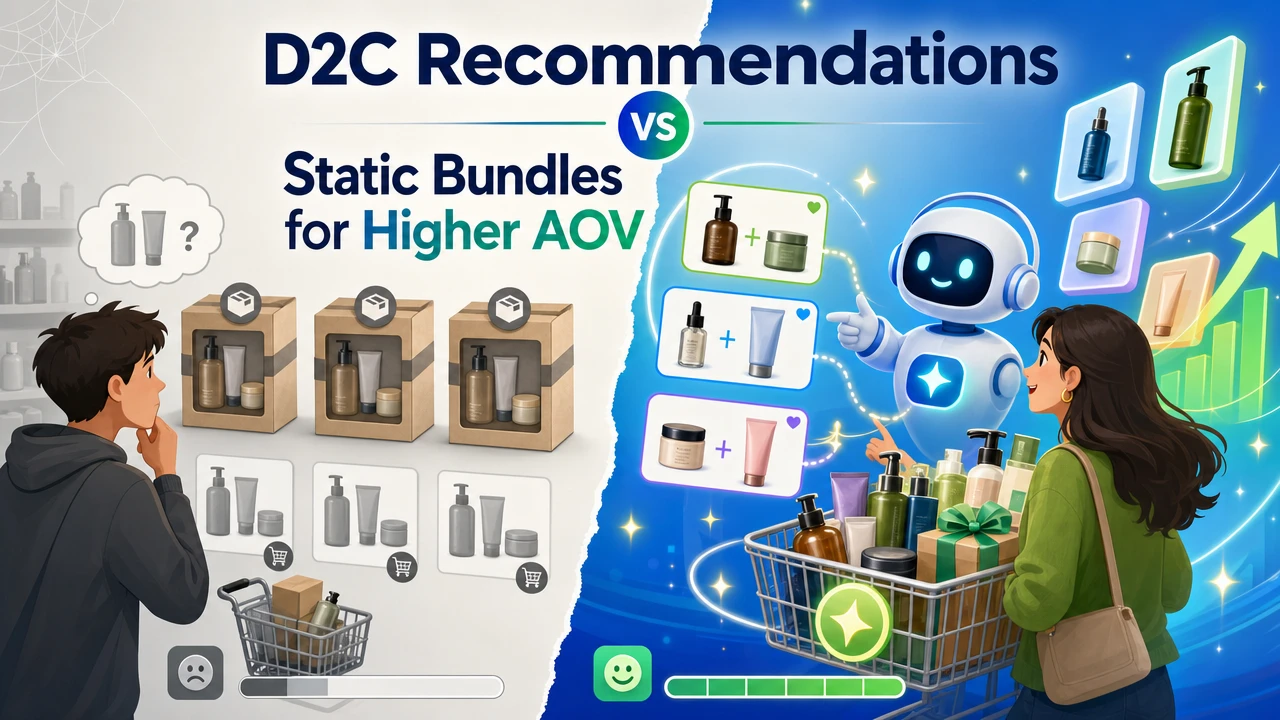
Quick Summary: Static bundles are best for simple offers, providing quick setup and tight control over margins. AI recommendations excel with complex catalogs and when shoppers need guidance, boosting average order value on larger carts. Combining both approaches can optimize ecommerce sales, especially as AI use increases. Kandid helps brands match live shopper intent with personalized recommendations.
For technical products, AI recommendations often lift cart value better than fixed bundles. Simple catalogs still benefit from bundle control and speed. This guide compares both for D2C Sales Strategies, AI Customer Engagement, and Ecommerce AOV Optimization. We have seen D2C Sales Strategies fail when teams add manual bundle work too early, and win when D2C Sales Strategies match catalog complexity.
D2C Recommendations vs Static Bundles: At a Glance
| D2C product recommendations | static bundles | |
|---|---|---|
| AOV potential | High for complex carts and guided selling | Strong for simple add-on or kit sales |
| Setup effort | Moderate; needs product data and rules | Low; fast to launch |
| Personalization | Dynamic and session-aware | Limited or segment-based |
| Merchandising control | High, but less rigid than static bundles | Very high and predictable |
| Best for | High-consideration D2C catalogs | Simple catalogs and fixed kits |
| Ongoing optimization | Continuous testing and tuning | Periodic manual updates |
How D2C product recommendations and static bundles Compare
D2C product recommendations
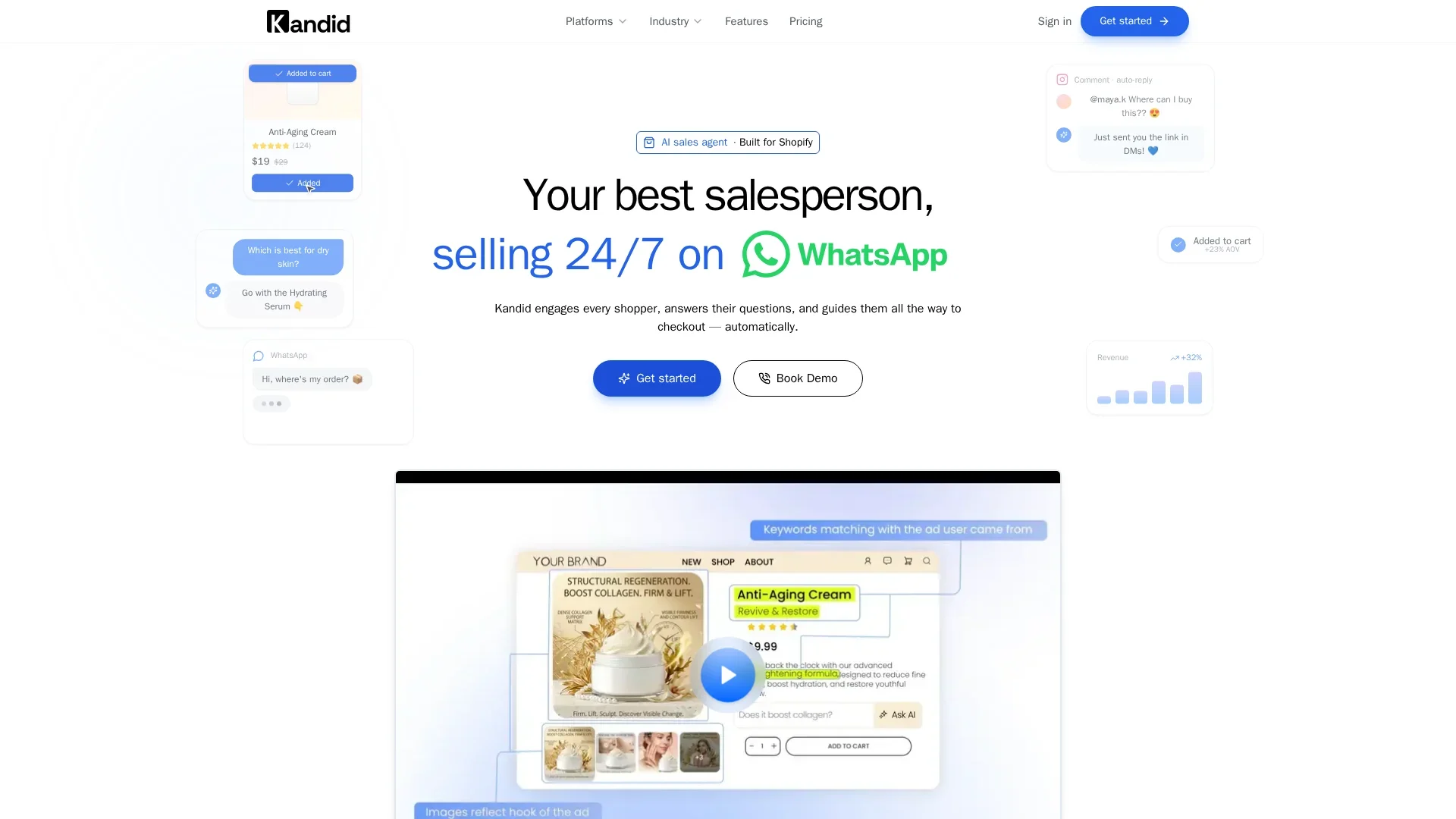
These are live, context-aware suggestions that change as shoppers browse, ask questions, and build carts. They fit brands with complex catalogs, higher-consideration buys, and teams that can tune product data over time. Shopify notes that AI recommendations can improve discovery, basket size, and repeat purchases.
Key strengths
- High AOV upside
- Dynamic personalization
- Strong guided selling fit
static bundles
These are fixed kits, sets, or add-on offers shown the same way every time. They suit simple catalogs, gift sets, and brands that want fast launch speed with tight control. Shopify explains that bundling can raise AOV by encouraging shoppers to buy multiple items together.
Where Each Approach Creates More AOV
Why static bundles convert quickly
Static bundles work best when the shopper already wants the main item and the add-ons are obvious. Think EV charger + cable, or cleanser + moisturizer. The offer is simple, visible, and easy to price. According to Online Store News, classic curated bundles still win when brands need tight control over margin, inventory, and message.
Why AI recommendations usually win on bigger carts
AI recommendations tend to create more AOV when catalogs are deep, buyer intent shifts fast, or compatibility matters. They adapt to live behavior instead of pushing one preset offer. Online Store News reports higher AOV from advanced AI recommendation systems, which fits high-consideration D2C journeys where shoppers need the right mix, not just a discount.
Also Read: Top Trends Reshaping D2C Product Recommendations in 2026
Control, Merchandising, and Operational Load
- When control matters more than adaptability
Static bundles win when you need tight control over pricing, margin, and brand story. They work best for gift sets, starter kits, regulated products, or launches where every SKU pairing must be approved. Shopify notes that merchants often choose precision first when wrong matches would hurt trust or create buyer mistakes Shopify’s catalog clustering write-up.

- When automation reduces merchandising bottlenecks
AI recommendations help when manual bundle setup starts to slow the team down. Large catalogs, fast stock changes, and many compatibility rules create real ops drag. Research on product bundling shows recommendation systems improve bundle relevance, especially when catalog data is complex 2026 bundling research.
Also Read: Comprehensive Guide to D2C Product Recommendations for 2026
Which Should You Choose for Your D2C Store?
Choose based on catalog complexity and shopper uncertainty.
- Choose static bundles if your offer is simple. They work best when shoppers already know what goes together, like refill packs, starter kits, or fixed routines. You keep margin control, creative control, and a cleaner setup.
- Choose AI recommendations if your shoppers need guidance. Forrester notes shopping assistants are now the most common genAI use case in commerce search, built to answer questions and tailor product suggestions in real time according to Forrester. This fits EV, electronics, and personal care stores with specs, compatibility, or routine-matching friction.
If shoppers ask "which one fits me?" more than "what's the discount?", AI usually wins.
- A practical rollout path for growing teams. Start with static bundles on top SKUs. Then add AI on high-intent pages, search, and cart. This hybrid path matches where commerce is heading, with 74% of retailers still selling through their own website.
Turn more shoppers into higher-value carts with Kandid, which matches live intent better than static bundles.
Frequently Asked Questions
Q1: What are the most effective product bundling strategies to increase ecommerce AOV?
Use core plus add-on bundles, routine refill sets, and tiered good-better-best packs. Keep bundle logic clear. Match bundles to shopper intent, margin, and compatibility. Test static bundles for control and AI-led recommendations for mixed carts.
Q2: How does product bundling influence customer purchasing behavior and session value?
Bundles reduce choice stress and raise perceived value. Shoppers often add more when items feel pre-matched, discounted, or easier to compare. Strong bundles also speed decisions, which can lift session value, conversion rate, and units per order.
Q3: What are best practices for implementing dynamic product bundles using AI recommendations?
Feed the model clean catalog data, rules, and compatibility limits first. Set guardrails for margin and inventory. Show recommendations at key moments like PDP, cart, and quiz results. Kandid fits well when shoppers ask detailed product-match questions.
Conclusion
Static bundles give control and clear margins. AI recommendations fit live intent better. With AI use rising across ecommerce, Stord’s 2026 report shows why brands often need both.