Kandid Review 2026: Can This AI Sales Agent Replace Your BDR Team?
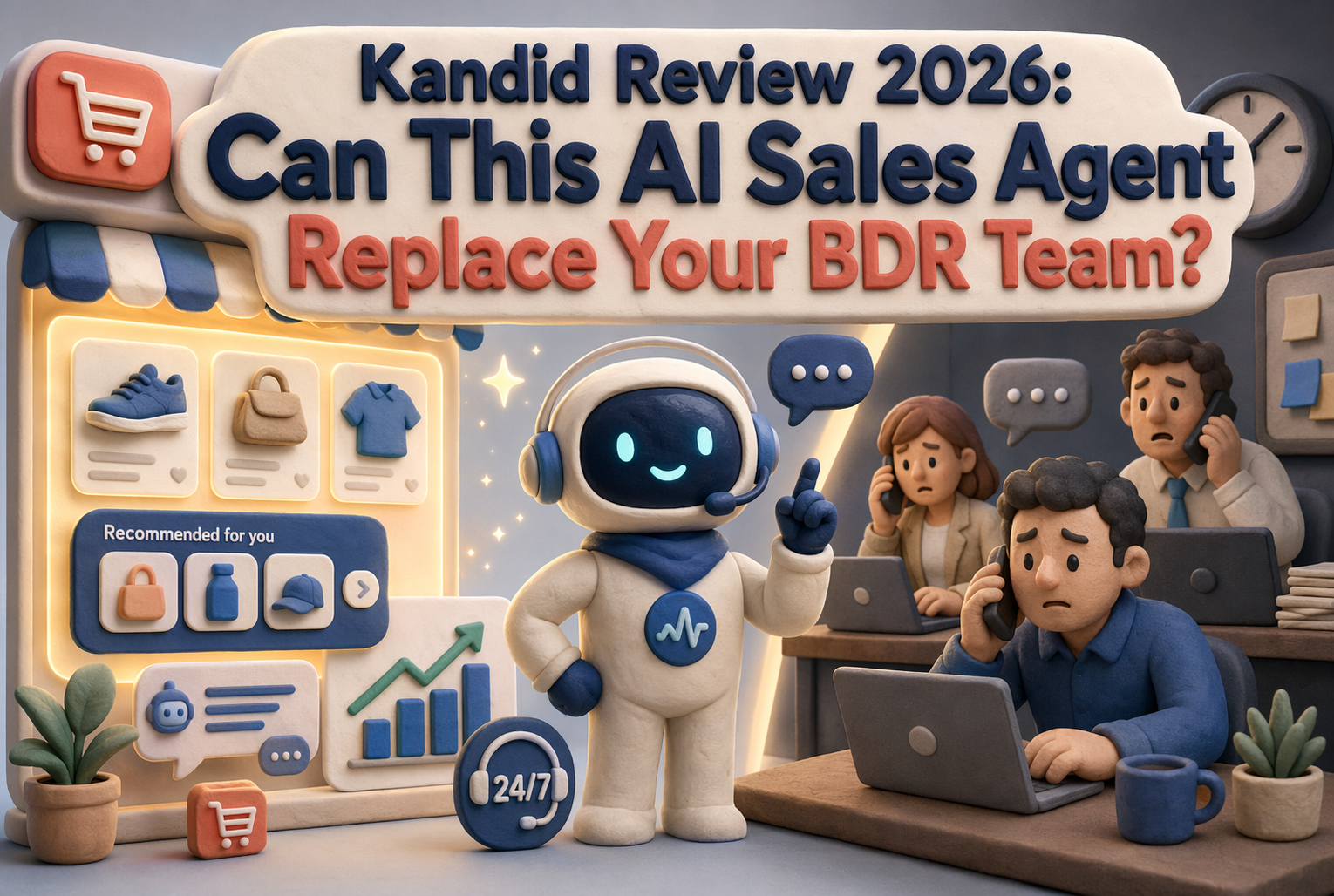
A North America BDR costs $75,000-$110,000 a year. Kandid AI Sales costs $99-$350 a month. That gap gets attention fast. This Kandid Review 2026 tests whether this AI Sales Agent can truly replace the product guidance, objection handling, and buying help your team gives today. We look at real D2C fit, cost per meeting, and where Kandid AI Sales works well, falls short, or needs human backup.
What Kandid's AI Sales Agent Actually Does
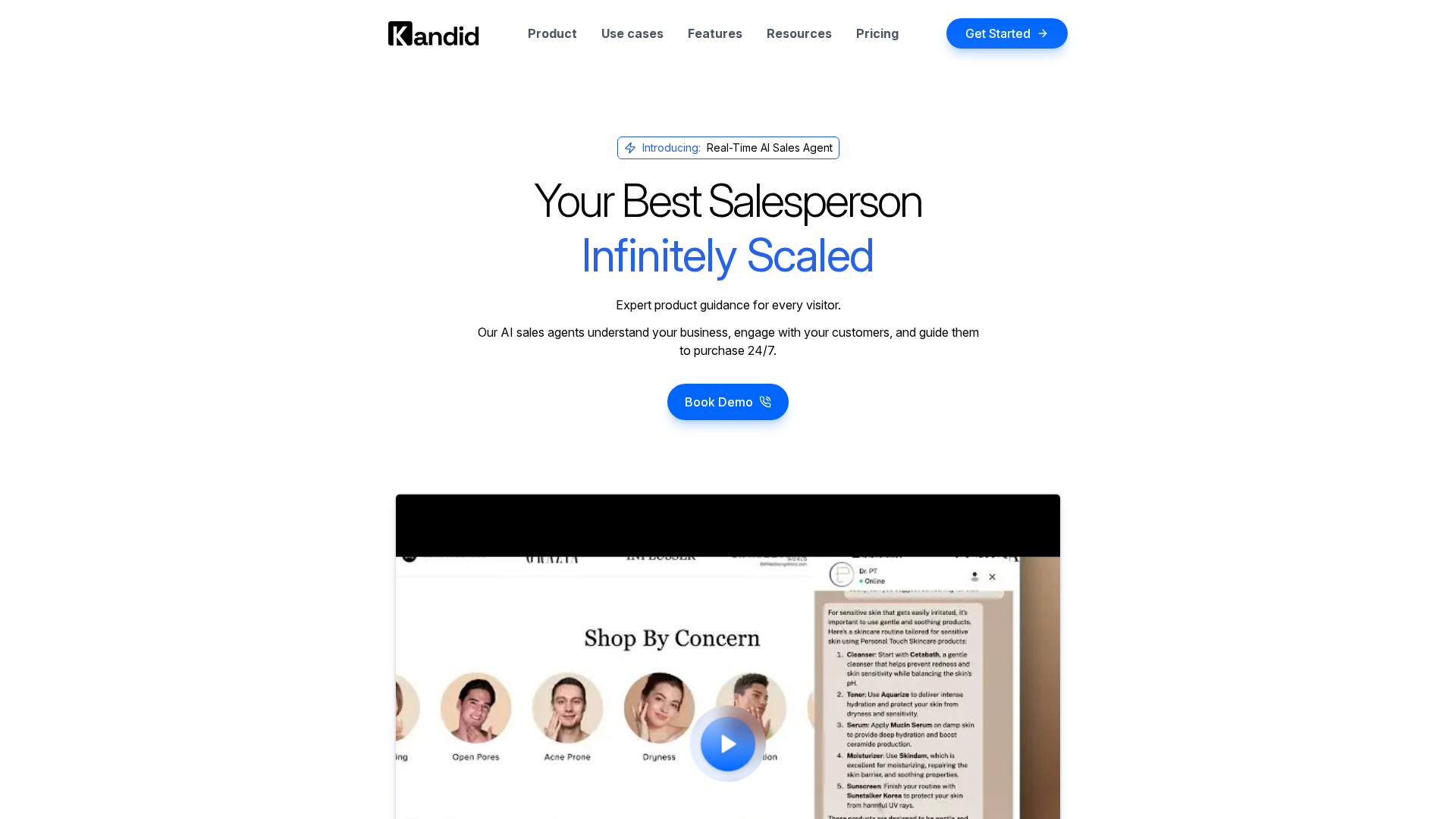
Kandid AI Sales is built for one job: turn site visitors into buyers while they are still browsing. On Kandid’s site, the agent is described as a real-time sales layer that understands your catalog, answers product questions, compares options, handles compatibility concerns, and recommends the right item 24-7 across web and WhatsApp from Kandid.
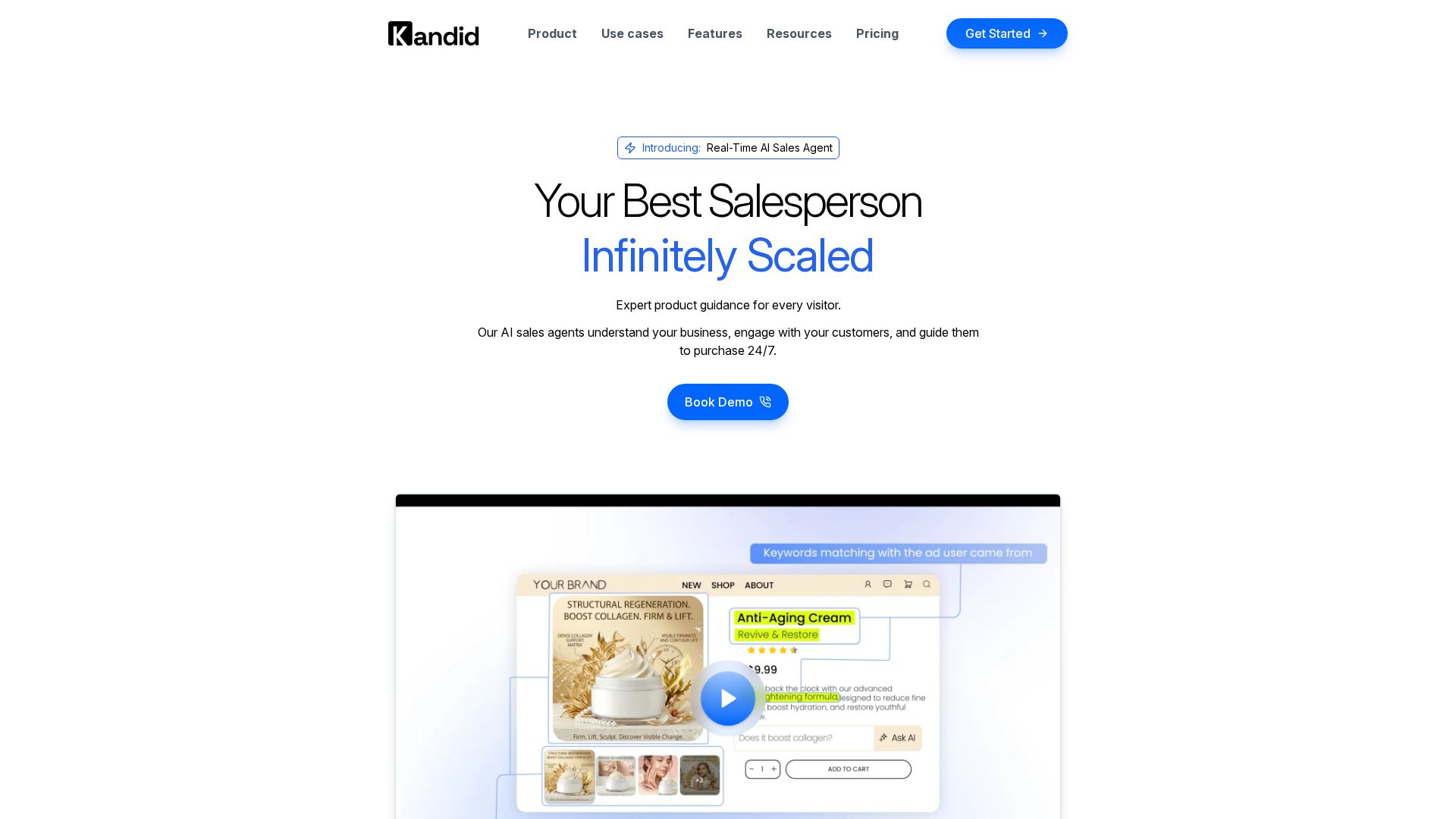
In practice, it does four things well:
- Greets high-intent shoppers fast
- Explains complex products in plain English
- Recommends products and accessories
- Hands off to humans when needed
Kandid AI Sales also tracks what people ask, so teams can spot friction and improve pages. Its WhatsApp flow adds instant replies, product suggestions, live order help, and human handoff in one inbox on Kandid’s WhatsApp page.
This is closer to a sales rep in chat than a basic FAQ bot.
Also Read: AI Sales Agents vs Human-Only Support: Performance Reality
Kandid vs Human BDR: The Real Cost Comparison
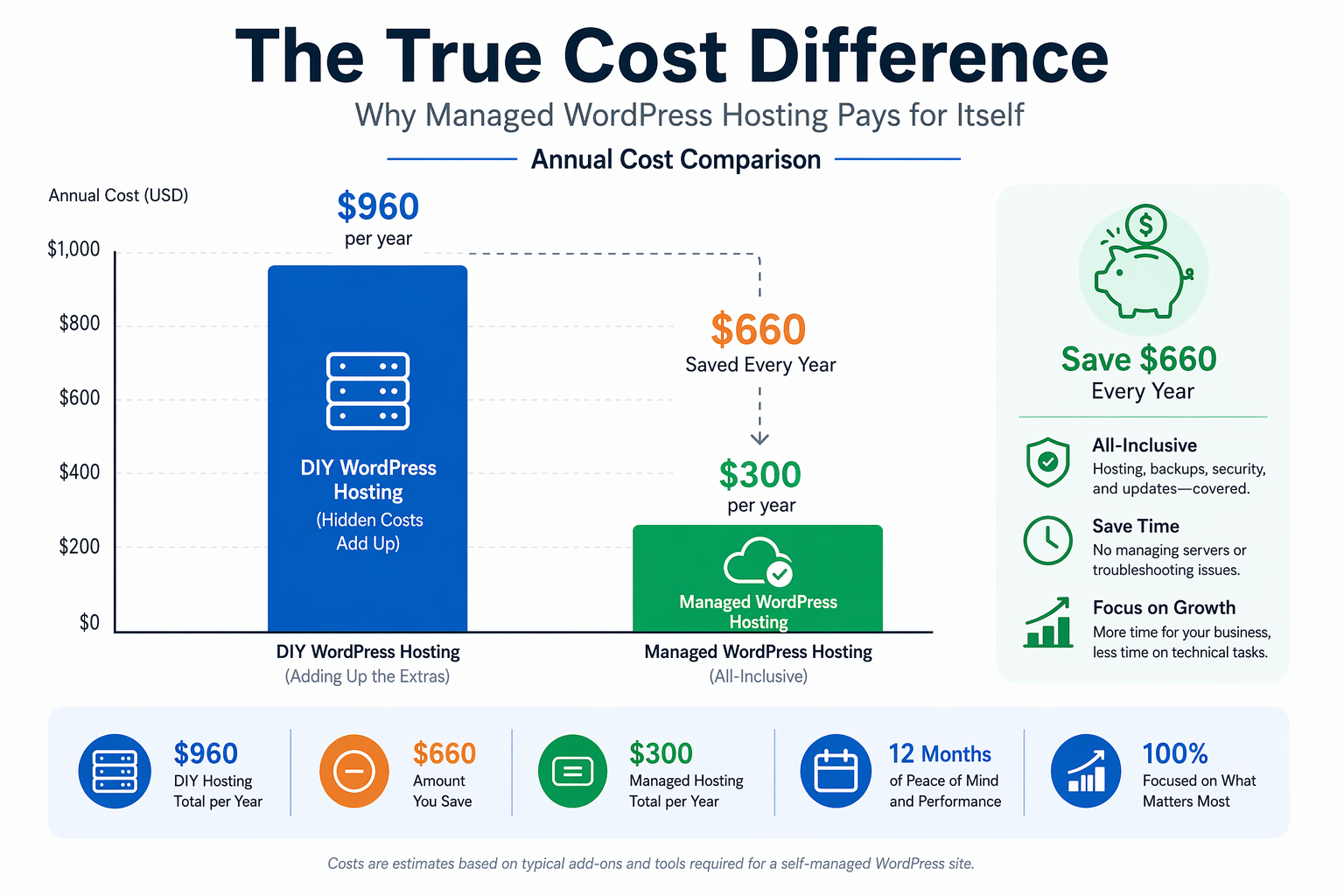
A human BDR looks cheaper on paper than it really is. U.S. BDR pay averages about $66,303 base plus commission on Indeed, while Glassdoor shows $99K-$153K total pay as a common range for the role in 2026. That is before tools, management time, ramp, and turnover (Indeed salary data, Glassdoor pay range).
| Option | Direct cost | Hidden cost | Speed to value |
|---|---|---|---|
| Kandid | $99-$350/month | Low setup and monitoring | Days |
| Human BDR | $75K-$110K+ yearly per rep | Benefits, commission, tools, churn, ramp | Months |
For most D2C brands, the real math is simple:
- Kandid costs less than one week of a BDR salary in many cases.
- A human BDR team needs hiring, training, scripts, QA, and constant follow-up.
- Kandid works 24/7 and replies in real time on-site.
If your site already gets high-intent traffic, the smarter question is not headcount. It is cost per qualified buying conversation.
Also Read: AI Sales Agents: 7 Metrics to Prove Revenue Impact
Performance Metrics: Conversion, AOV, and ROAS Impact
This is where Kandid has to earn its keep. For most D2C brands, the core test is simple:
- Does conversion rate go up?
- Does AOV rise enough to matter?
- Does paid traffic become more profitable?
Shopify notes that ecommerce conversion rate is one of the clearest signals of how well a store turns visits into orders, and broad benchmarks still vary a lot by category and traffic mix according to Shopify. Polar Analytics shows that 2026 median ecommerce results also swing hard by vertical, with examples like 1.72% CVR and $177.06 AOV in electronics versus 2.74% CVR and $66 AOV in beauty in its 2026 benchmark data.
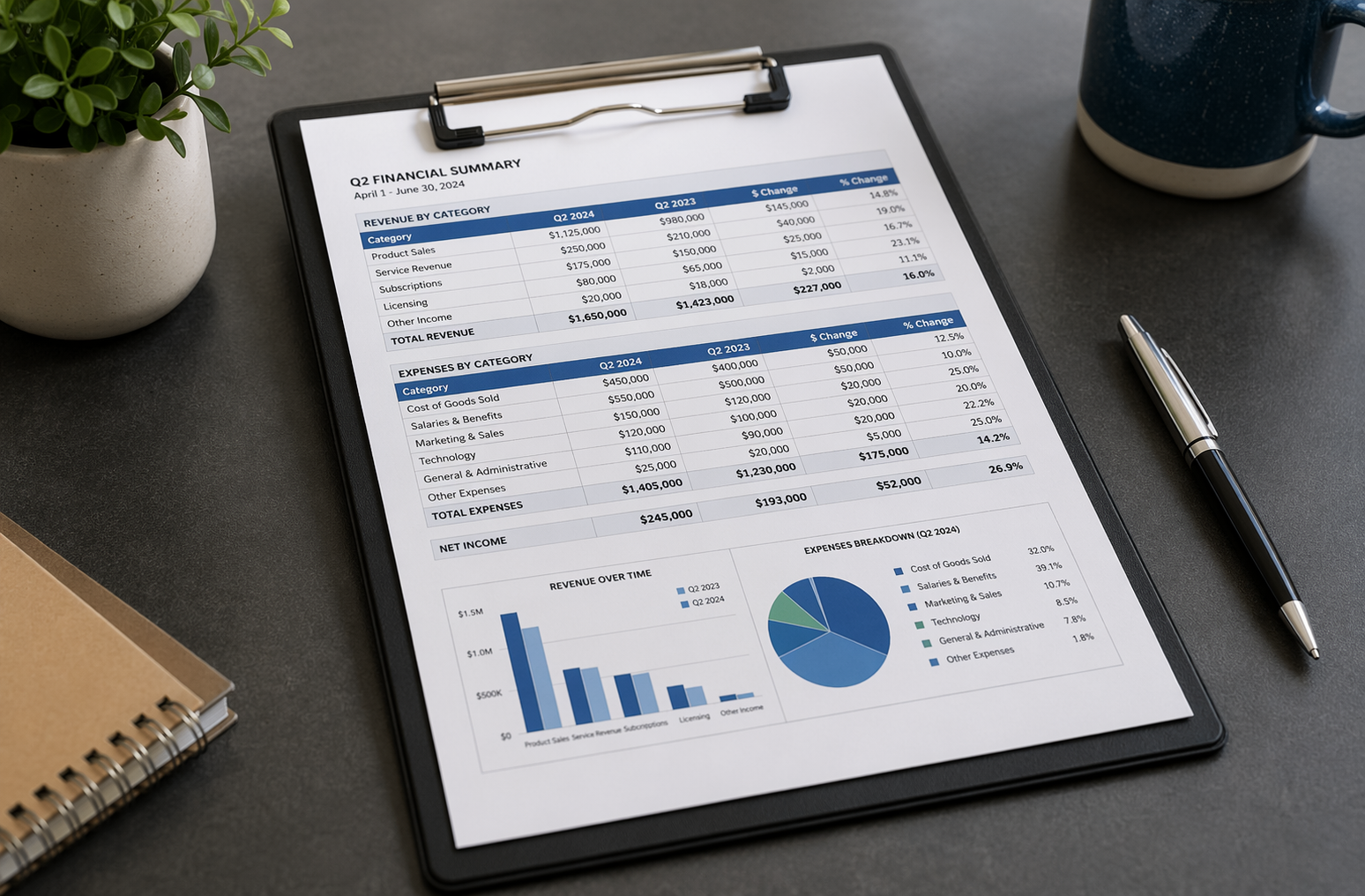
So a Kandid lift matters most when it improves all three at once:
- CVR - more shoppers buy
- AOV - guided recommendations increase basket size
- ROAS - the same ad spend produces more revenue
Also Read: AI Sales Agents: 12 Use Cases for D2C Growth
Is Kandid Worth It for Your D2C Brand?
Yes - if your site gets steady traffic and buyers ask pre-purchase questions. Adobe reported AI-referred retail traffic converted 42% better than non-AI traffic by March 2026 in Digital Commerce 360 coverage.
Kandid is worth testing when you want more coverage without hiring more reps. It is less useful if your store has low traffic, weak product-market fit, or simple one-SKU buying paths.
If you want more meetings without hiring another rep, test Kandid and see what an AI sales agent does for your store.
Frequently Asked Questions
Q1: What ROI can D2C brands expect from using Kandid’s AI sales agent?
Most brands should judge ROI by lift in conversion rate, AOV, and assisted revenue. Kandid is cheap versus one rep, so even a small gain can pay back fast. Strong-fit brands often see faster returns on high-intent traffic.
Q2: How does Kandid’s AI sales agent compare to a human BDR team?
Kandid costs far less and works 24/7, but it handles buyer questions, not full outbound prospecting. A human BDR brings relationship-building and complex follow-up. Kandid fits best when shoppers need fast product guidance at scale.
Q3: Can Kandid replace my entire BDR team for ecommerce sales?
Usually, no. It can replace parts of the job, like first-touch qualification and product help on-site. If your team mainly answers repeat pre-purchase questions, Kandid can cut headcount needs. For partnerships or outbound sales, humans still matter.
Conclusion
Kandid looks strong if you want lower-cost sales coverage, not a full human team replacement. That fits wider 2026 shifts, as Salesforce research and Accenture’s agentic commerce report both show AI taking more front-line buying and sales work.