Visitor Engagement Automation: 10 Triggers That Convert
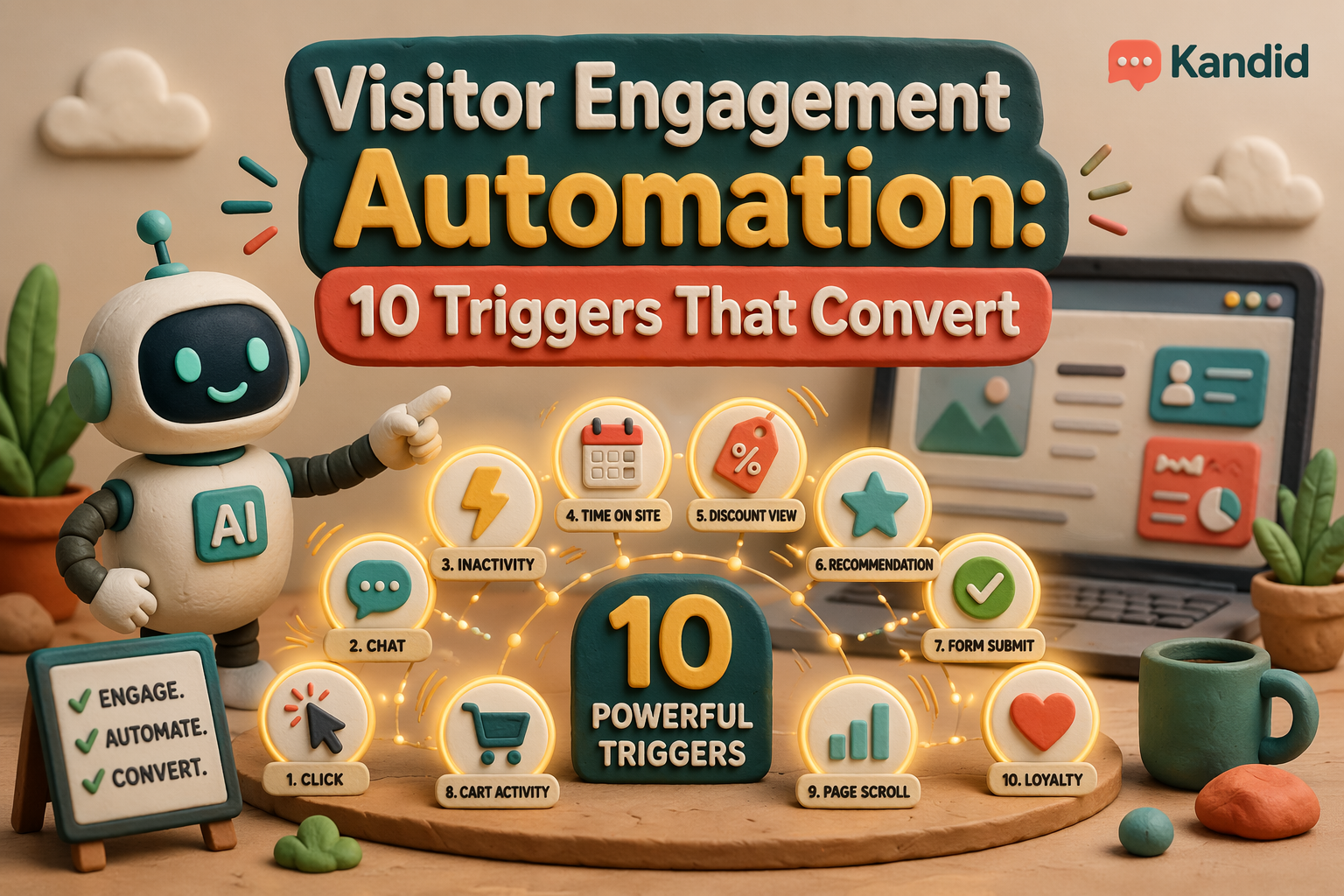
Most website visitors leave without taking action, but the right automation trigger can turn that same visit into a lead, cart, demo request, or sale. Most teams spam generic popups and broad remarketing, then miss the exact moment a visitor is ready to engage. This guide breaks down 10 visitor engagement automation triggers that convert, and how to pick the right ones for your funnel, products, and audience. Built for modern e-commerce and D2C teams that want practical, conversion-first ideas.
Quick Summary: Visitor engagement automation boosts conversions by reacting to real visitor behavior at the exact moment intent appears, rather than relying on generic popups or delayed remarketing. The article lays out 10 high-converting triggers-exit intent, cart abandonment, product dwell time, multiple page views, returning visitors, scroll depth, time on site, search/filter usage, pricing page visits, and form hesitation-and explains the best nudge for each. It emphasizes that timing and relevance matter more than clever copy, that exit-intent alone is weaker as banner blindness grows, and that teams should start with just 2–3 triggers tied to one measurable KPI. Best results come from matching triggers to funnel stage, keeping messages helpful and not intrusive, and using AI/chat support to answer questions in real time.
Why visitor engagement automation works
Visitor engagement automation works because it reacts to what people do, not what you hope they do. Behavior-based triggers speak up at the exact moment a shopper is on the fence, which is why well tuned systems often see 2-3x higher engagement than passive chat or popups, as shown in tests shared by greetnow.com.
1. What makes a trigger effective
An effective trigger has three parts:
- A clear behavior signal (pricing view, cart value, scroll depth).
- A sharp goal (add to cart, email capture, plan choice).
- A specific, relevant message.
Behavioral trigger mapping that tracks pricing views, return visits, and form starts is what drives big lifts in conversion, as described by conferbot.com.
If the trigger is not tied to a real buying signal, it is just noise.
2. Why timing beats generic messaging
Timing beats copy. A basic message, fired right as someone hesitates on pricing, will outperform a clever welcome on page load. Automation wins because it waits for intent, then acts in milliseconds, at any scale, 24/7.
The 10 highest-converting visitor triggers
Use these 10 triggers as your core playbook. They show up across D2C, EV, and personal care, and they all map to real buying intent, not vanity clicks.
Treat each trigger as a “moment to help,” not a “chance to annoy.”
| Trigger | What it signals | Best nudge type |
|---|---|---|
| Exit intent | At-risk visitor | Last-chance offer or reminder |
| Cart abandonment | High intent, second thoughts | Guarantee, perk, or reminder |
| Product dwell time | Deep interest | Comparison help, FAQs |
| Multiple page views | Active research | Guided quiz or chat |
| Returning visitor | Ongoing intent | Shortcut back to viewed items |
| Scroll depth | Content engagement | Soft CTA or content upgrade |
| Time on site | Exploration | Concierge help or quiz |
| Search / filters | Clear needs | Smart recommendations |
| Pricing page visit | Purchase evaluation | Risk reducers, financing info |
| Form hesitation | Friction | Shorter form or chat handoff |
- Exit intent
Still useful, but weaker on its own as banner blindness grows, with traditional popups down to low single digit conversion according to growthsuite.net. Use it as your final safety net, not your main lever. - Cart abandonment
This is money on the table. Trigger reminders, trust badges, and FAQs during the hesitation window, not 24 hours later. - Product page dwell time
Long dwell on specs, reviews, or sizing screams “I have questions.” Route to an AI sales agent like Kandid to decode features and compare options in real time. - Multiple page views
Three to five product or collection views in a session usually means active comparison. Offer a guided finder or “help me choose” chat. - Returning visitor
Someone back after 2+ days is in evaluation mode, a pattern also flagged in high-intent frameworks like those on orbitforms.ai. Show “pick up where you left off” and tighter offers. - Scroll depth
Hit 60 to 80 percent of a PDP or story page? They are engaged. Use a subtle inline prompt or chat bubble, not a loud modal. - Time on site
Long sessions with scattered clicks signal confusion. Offer a concierge style AI assistant to guide, not discount. - Search or filter usage
Anyone using filters or search is telling you their job to be done. Trigger tailored recommendations, not generic bestsellers. - Pricing page visits
Big sign of high intent for EVs and higher ticket tech. Answer cost, warranty, and financing questions fast. - Form hesitation
Cursor hover, partial fills, then pause. Simplify the form or offer “Skip the form and chat” to keep them moving.
How to choose the right triggers first
You do not need 20 triggers. You need 3 good ones.
1. Match triggers to funnel stage
Pick triggers based on intent, not guesswork.
Behavioral triggers work best when they react to real actions, not random timers, and can lift conversion by over 50 percent according to research on kissmetrics.io.
Use this simple map:
| Funnel stage | Example trigger | Goal |
|---|---|---|
| Awareness | Time on homepage | Start a light chat |
| Consideration | Product page depth | Offer guidance or quiz |
| Decision | Checkout / cart | Rescue or upsell |
2. Start with one measurable KPI
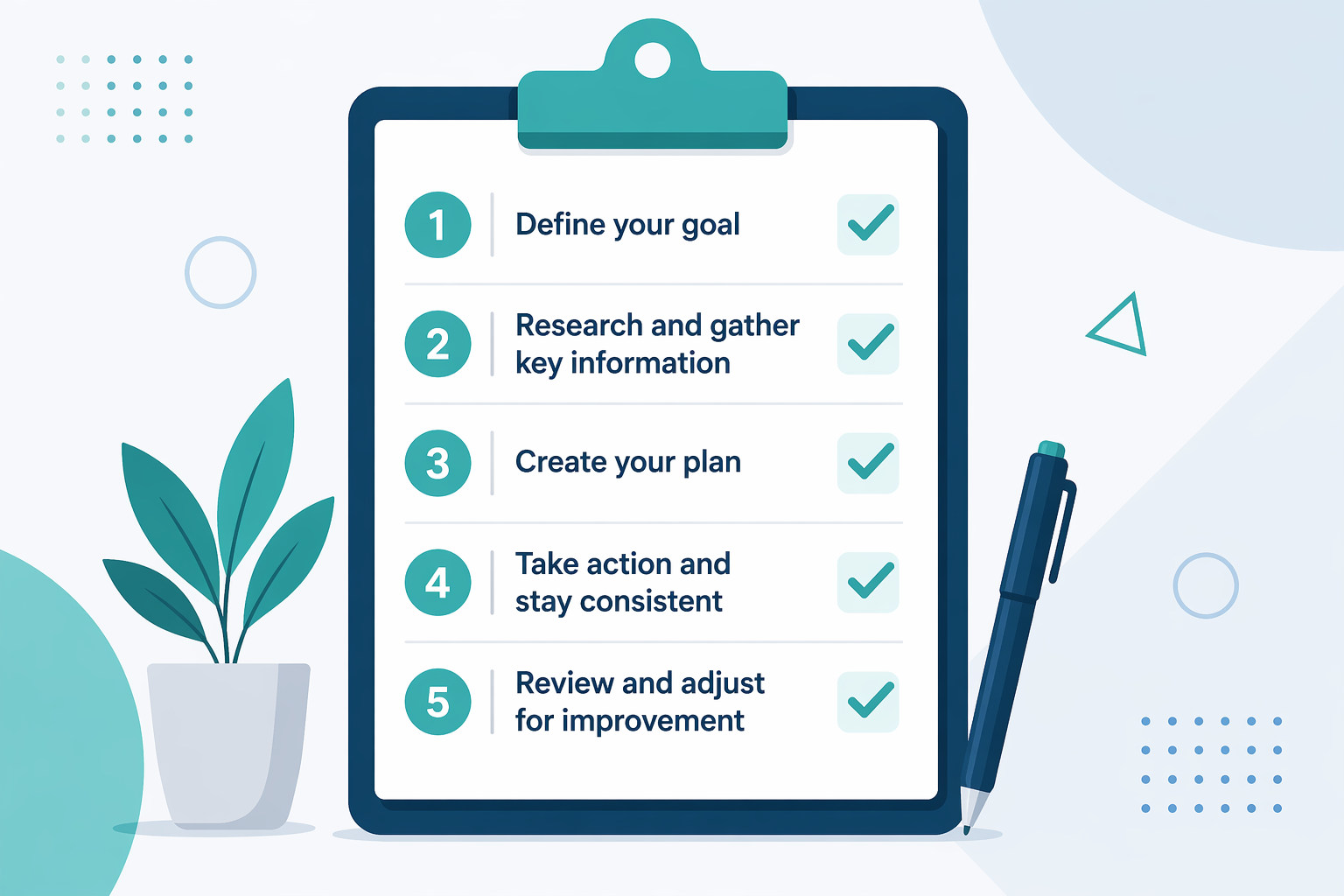
Pick one number per trigger:
- Cart trigger → checkout starts
- Product page trigger → add to cart
- Support trigger → ticket deflection
Then A/B test timing and copy, as suggested on webchatagent.com.
If the KPI does not move, kill or rewrite the trigger.
Best practices for conversion-focused automation
1. Keep messages helpful, not intrusive
Trigger automation from real intent signals, not random timers. Use scroll depth, exit intent, and repeat visits so prompts feel timely, not spammy, as shown in live chat testing advice on chatspark.dev.
Keep copy short, specific, and tied to one clear next step. Cap prompts per session, stop once someone converts, and let visitors close or switch to a human fast.
Audit your current site journey and launch one high-intent trigger this week with Kandid handling real-time sales conversations.
Frequently Asked Questions
Q1: How fast can I see results from visitor engagement automation?
You usually see impact within 2 to 4 weeks. Start with 2 to 3 high-intent triggers, like cart abandonment and product-page exit. Pair them with an AI sales agent like Kandid to capture questions in real time, then refine based on conversion data.
Conclusion
Visitor engagement automation only works if you respect intent, not noise. The best visitor engagement automation triggers respond to intent, not just page views. High-converting triggers usually map to clear moments such as exit, cart abandonment, pricing interest, or form hesitation. Prioritize one trigger with one KPI so you can prove impact before scaling. Then expand with confidence, not guesses.