Real Time Shopping Trends: 2026 Signals to Watch
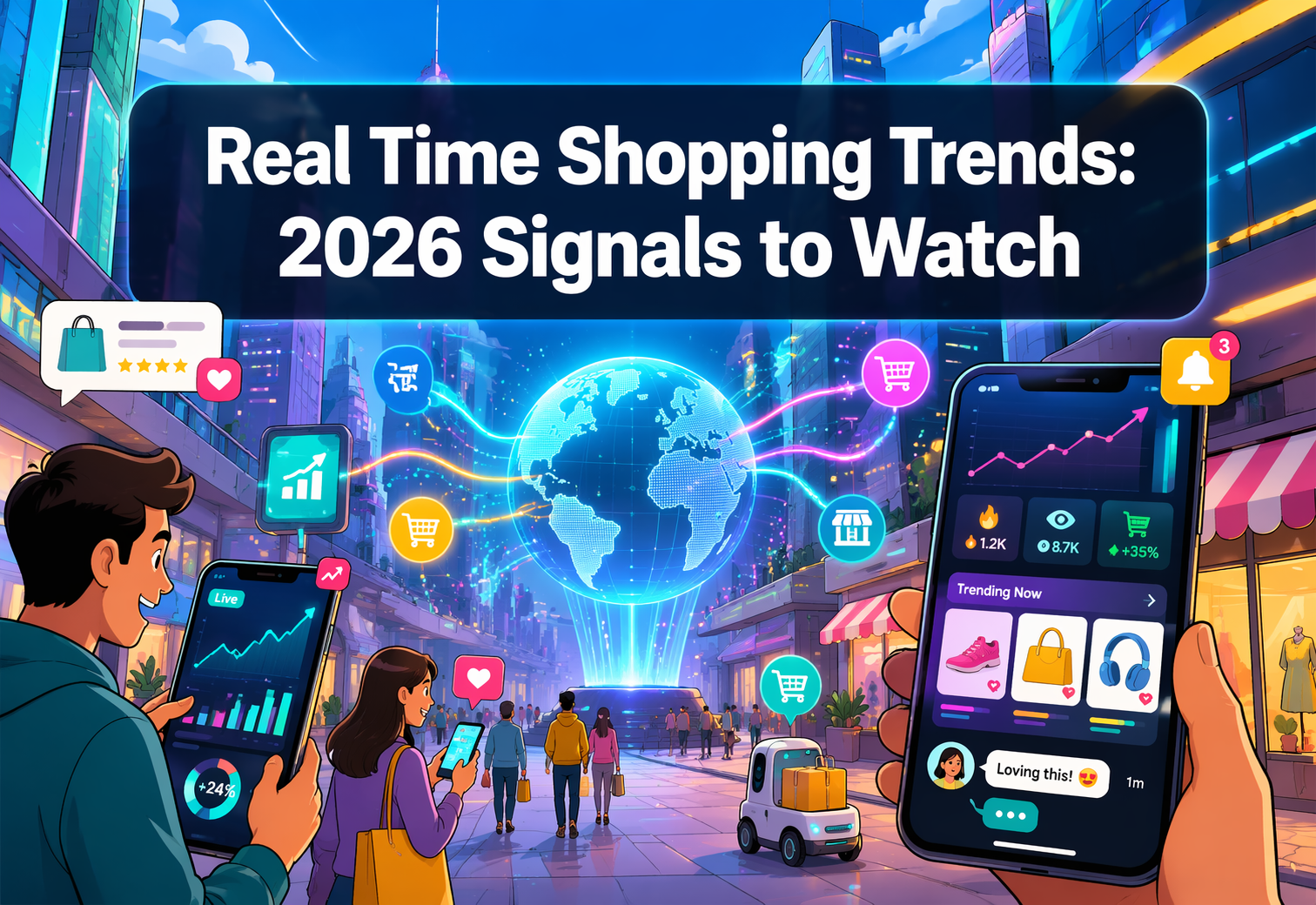
Real time shopping is moving from a nice to have layer to a core growth lever in 2026.
Right now, most brands still run static storefronts. The page barely reacts while customer intent, inventory, and demand shift every second. That gap is costing you conversion, margin, and media efficiency.
You need to treat every session like a live signal stream, not a brochure.
This article breaks down the key 2026 signals to watch: AI sales agents, live product recommendations, and real time retail personalization. Built for D2C and e-commerce leaders who want practical moves, not hype.
Quick Summary: Real-time shopping is emerging in 2026 as a core ecommerce growth lever, replacing static storefronts with live, intent-responsive experiences. The article highlights five key signals: AI on-site sales agents, live product recommendations, real-time merchandising and inventory sync, conversational commerce beyond support, and the need to connect these systems to measurable performance. It argues these tools can improve conversion, AOV, and ROAS by reducing friction and guiding shoppers in-session, but only if brands start with one high-impact use case and track speed, relevance, and revenue rather than vanity metrics.
What real-time shopping means in 2026
Real-time shopping in 2026 means the store reacts as fast as the shopper - and often faster.
An AI layer now reads intent, session behavior, and product data live. It adjusts offers, answers questions, and guides choices inside the same interaction, not over days of retargeting.
1. Core building blocks: data, decisioning, and delivery
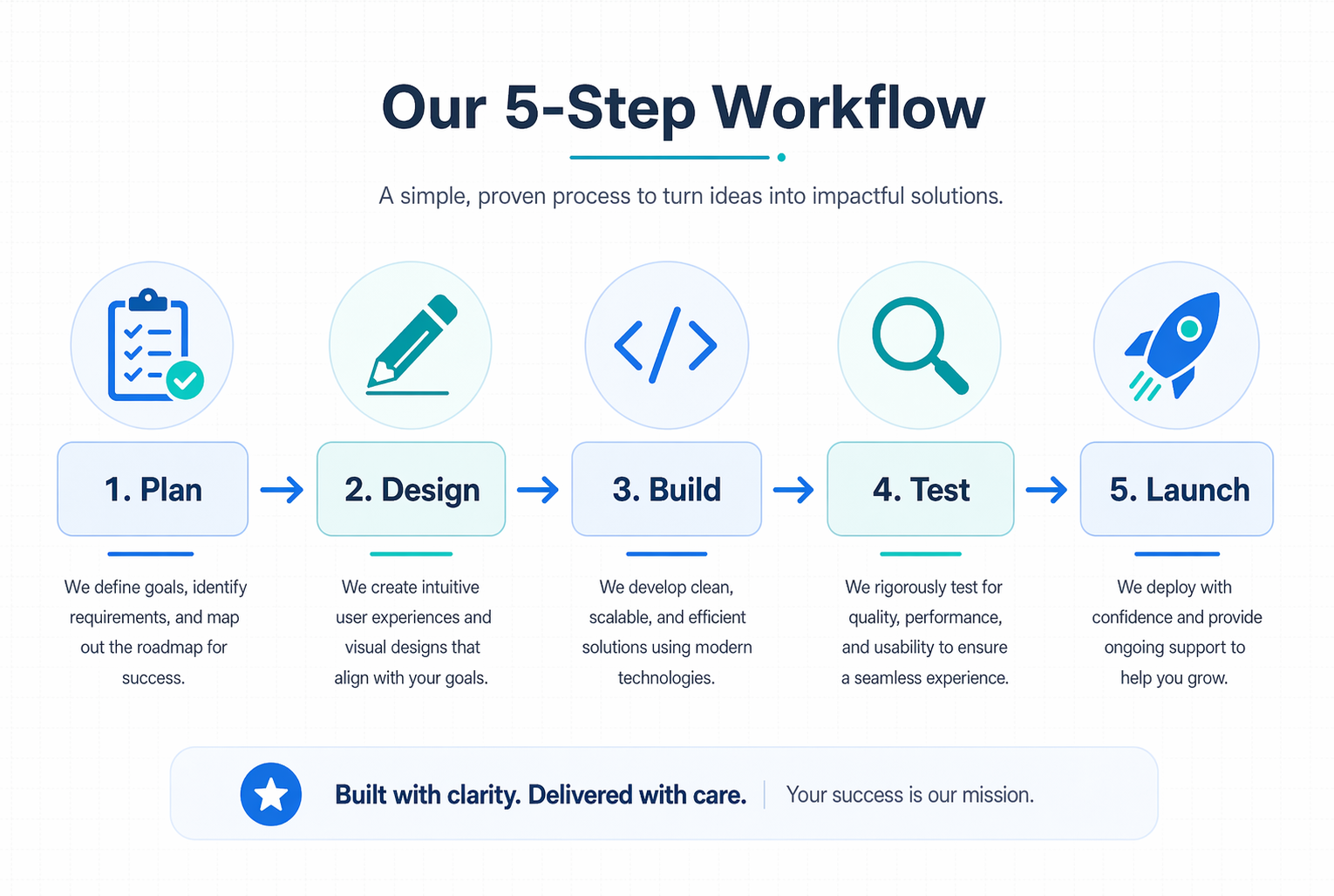
You need three pieces working together:
- Data - clean catalog, pricing, inventory, and behavior signals streaming in real time.
- Decisioning - AI agents and personalization engines that pick the next best action on every event.
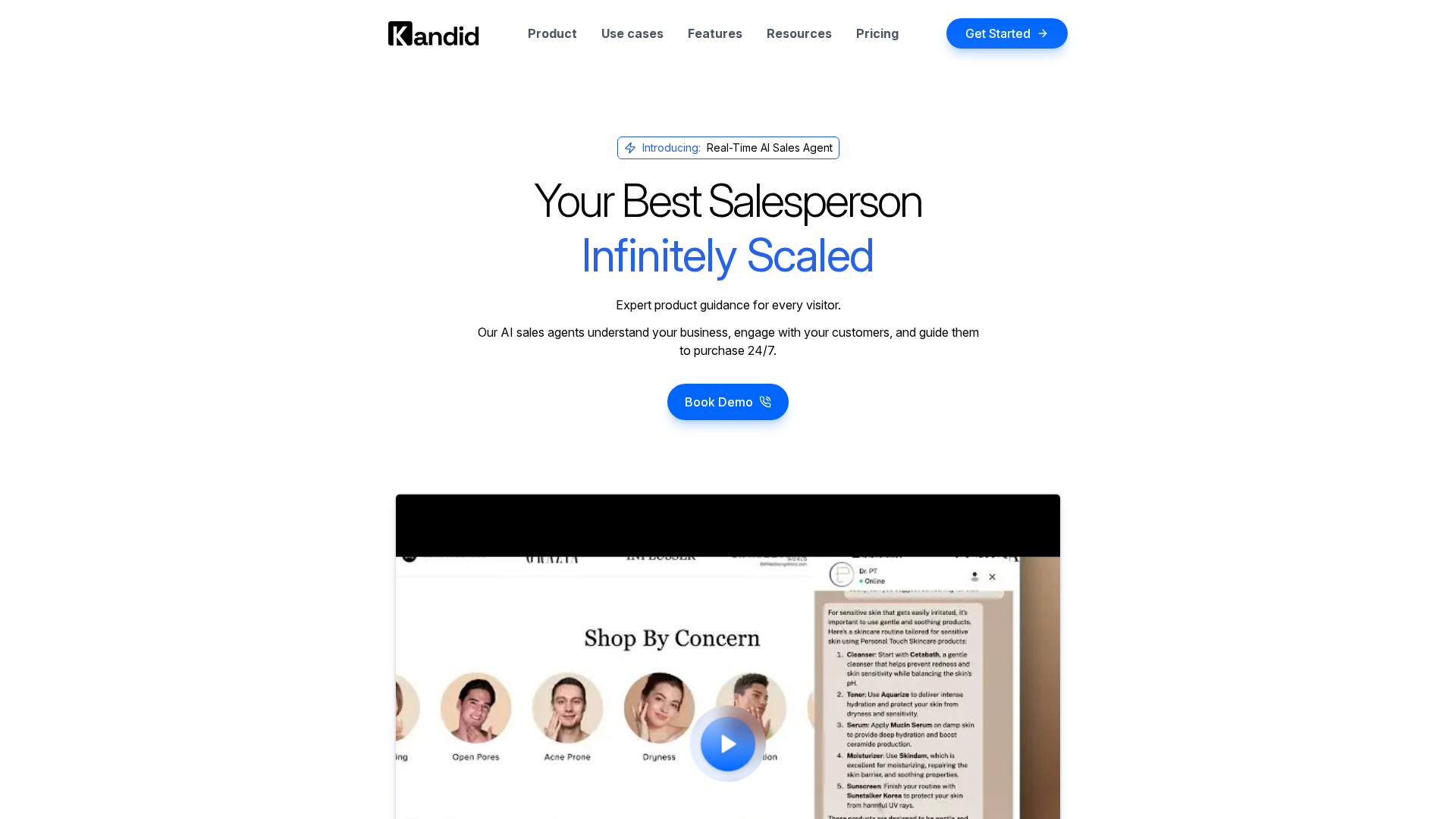
- Delivery - on-site assistants like Kandid, fast UX, and instant messaging or UI changes that execute that decision.
2. Why 2026 is different from earlier ecommerce cycles
In past cycles, "real time" meant basic triggers: popups, exit-intent, and email flows.
In 2026, agentic AI and protocols like UCP and ACP let AI platforms send pre-qualified buyers straight to product pages, with sessions converting nearly 50 percent higher than organic search according to shopify.com.
The 5 signals to watch in 2026
You are walking into a world where every session is a live sales call. These are the 5 signals that will actually move your numbers in 2026.
1. AI on-site sales agents become the front line
Static chatbots are dead. Real-time AI sales agents like Kandid or Helio AI now greet most visitors first, not your nav bar. They read product data, reviews, and policies, then guide people to the right SKU in a few messages. You should track:
- Agent-assisted conversion rate
- Revenue per agent session
- Percent of sessions that engage the agent
If that curve is flat, you are leaving money on the table.
2. Live product recommendations influence decisions mid-session
Forget generic "You may also like" carousels. AI engines now react to live behavior and questions to push the next best product mid-session. Think: swap a bundle when someone hesitates on price, or surface accessories after spec questions. Watch:
- CTR on live recs
- Attach rate for add-ons
- AOV lift on sessions with recs

3. Real-time merchandising and inventory signals matter more
In 2026, agents and recommendation engines treat inventory as a live input, not a nightly batch. If stock or price is wrong, the system quietly drops you. Agent-focused guides like farandwide.io already rank real-time APIs as a top brand signal. You should:
- Sync inventory and price to your AI layer in real time
- Auto-hide low stock from promos
- Reroute demand to in-stock substitutes
Slow feeds will cost you margin and visibility.
4. Conversational commerce expands beyond chat support
Chat is no longer "support." It is:
- Guided product discovery
- Live comparison across models
- Cart rescue and payment prompts
Tools like Kandid, Manifest, and Helio AI sit across site, email, and messaging, carrying one shared memory. That continuity lets you turn:
- First question into a guided session
- Abandoned cart into a saved order
- Post-purchase questions into repeat sales
If your "chat" team still reports to support only, you are under-using your most important 2026 sales channel.
What these trends mean for D2C performance
Real-time shopping is not a shiny toy. It is how you protect margin while CAC keeps climbing.
1. Where real-time shopping can lift conversion and AOV
You lift conversion when you remove friction inside the session.
AI sales agents like Kandid or dynamic storefront tools like Helium react to intent in seconds, not days.
That means:
- Fewer comparison drop offs
- Faster answers to doubts
- Cleaner paths to the right SKU or bundle
This shows up as: higher product views per session, better cart conversion, and richer baskets as agents nudge cross sells instead of discounts.
2. The ROAS impact of better in-session support
Most brands overpay for clicks, then let visitors wander.
Benchmarks from kendall.ai show big gaps between traffic and cart conversion.
If in-session support turns even 10 to 20 percent more add to carts into orders, your effective ROAS jumps without more spend.
Kandid ties each assisted session to revenue, so you see which campaigns win once conversations start.
How to prepare your team for 2026
1. Choose one high-impact use case first
Start small, not cute. Pick one use case that clearly touches revenue.
For most brands, that is:
- Guided selling on PDP and checkout
- Pre sale support for tech or compatibility questions
- Smarter FAQ deflection for support-heavy SKUs
Assign an owner in growth or CX. Give them a clear target like "lift checkout conversion by 10% on mobile."
Then pick a tool, like a real time AI sales agent, that can train on your catalog and FAQs so you see live impact fast, as platforms like apps.shopify.com show.
2. Measure speed, relevance, and revenue
Judge your team and tools on three things:
- Speed - First response time vs human chat.
- Relevance - Percentage of chats rated "helpful."
- Revenue - Conversion rate, AOV, and sessions touched by AI.
Review weekly, kill vanity metrics, and only scale what moves money.
Audit your current shopping journey and identify one real-time use case you can test this quarter, then plug in Kandid to run it live.
Frequently Asked Questions
Q1: How do I start using real-time shopping data without huge rebuilds?
Begin with one high impact use case, like cart abandonment prompts. Plug an AI sales agent such as Kandid into your existing stack, sync catalog and events, then A/B test against your current experience.
Q2: What metrics should I watch first in 2026?
Track conversion rate, AOV, ROAS, session length, assisted revenue from AI agents, and time to first response. If you do nothing else, make sure you can see performance split by traffic source and by experience variant in your analytics tool.
Conclusion
Real time shopping in 2026 is not a side project anymore. It is becoming core commerce plumbing.
AI sales agents, live recommendations, and dynamic merchandising are the big signals to watch, backed by early data on higher intent and conversion from shopify.com and agentic cart experiments from google.com.
The brands that win will wire these real time experiences straight into measurable lifts in conversion, AOV, and ROAS, not park them as shiny but isolated features.