Neuralens AI Real Time Shopping: Tested for On-Site Lift

AI real time shopping sounds great in a sales deck, but your question is simpler: does it drive real on site lift or just add clever product carousels. Most writeups list features and buzzwords, not hard impact on conversion, AOV, or revenue per visitor. This review shows what neuralens AI shopping actually does, how to run an AI real time shopping test, which metrics to watch, and how operators can make a rollout call based on measurable ecommerce results.
Neuralens AI shopping for real-time on-site decisions
AI shopping agents are shifting from static widgets to full-page, real-time decisions. Retailers like Saks report higher revenue per visitor after moving to dynamic, intent-based layouts that react to each session in real time, not just past history, which shows how much upside sits in smarter on-site decisions Saks Global personalization update.
Constructor’s AI agents on product pages have also shown strong lifts by answering questions and guiding choice, similar to what Neuralens aims to do for full-site journeys AI product insights agent results.
What changes on the page when Neuralens is live
You see three clear shifts:
- Dynamic modules: hero, carousels, and offers change per visitor.
- AI sales agent: a chat or side panel that explains products and compares options.
- Real-time nudges: low-stock prompts, bundle suggestions, and reassurance messages.
Watch how often layouts, copy, and CTAs move during a session. If it looks static, Neuralens is not truly in control.
Why D2C and technical ecommerce teams care
D2C and tech ecommerce teams care because Neuralens changes decisions, not just content.
Key reasons:
- It can rerank products and swap sections based on live intent.
- It can personalize flows without manual rule trees.
- It gives testable lift on conversion rate, AOV, and revenue per session.
Treat Neuralens like a decision engine that runs on top of your existing stack, not just another widget.
How to test on-site lift from Neuralens AI
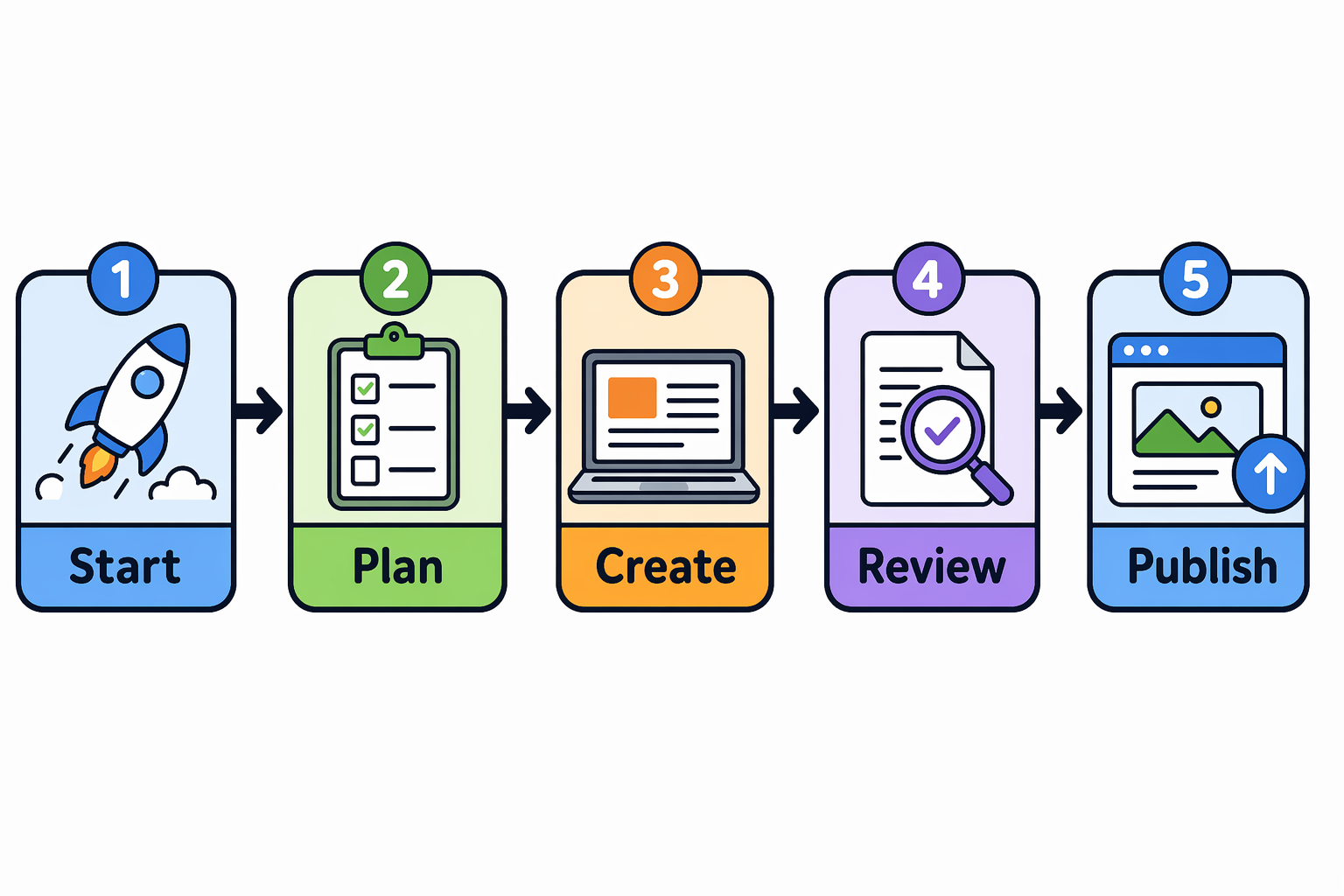
Set the control, treatment, and success window
Start with a clean A/B test. Your control is the current site without Neuralens AI. Your treatment is the same site with Neuralens live. This mirrors standard online experiment setup where one version acts as baseline and the other as variant, as described in controlled experiment guides.
- Pick one main KPI: usually checkout conversion.
- Define a fixed test window, often 2 to 4 weeks.
- Keep traffic split stable, like 50/50.
Lock major promos and site changes during the test or annotate them clearly in your analytics.
Measure the right metrics, not just clicks
Clicks on Neuralens are vanity if they do not move money. Track:
- Conversion rate
- Revenue per session
- AOV
- Add to cart rate
- Session length and depth
Use an A/B testing platform plus your analytics dashboard. The goal is to see whether the treatment arm beats the control on revenue focused metrics, aligned with standard A/B practice where conversion rate and revenue per visitor are core outcomes explained here.
Layer in heatmaps or session replays to see how shoppers actually move through the Neuralens journey.
What counts as a real lift versus noise
Tiny bumps are often noise. Treat lift as real when:
- Relative gain is at least 3 to 5 percent on your main KPI.
- The test reaches statistical significance.
- Results hold across key segments like new vs returning.
Look at:
- Weekend vs weekday patterns
- Mobile vs desktop
- Campaign level ROAS
If only one small segment moves, treat it as a hypothesis and rerun, not a final verdict.
Does Neuralens improve the metrics that matter most?
Expected metric hierarchy in a pilot
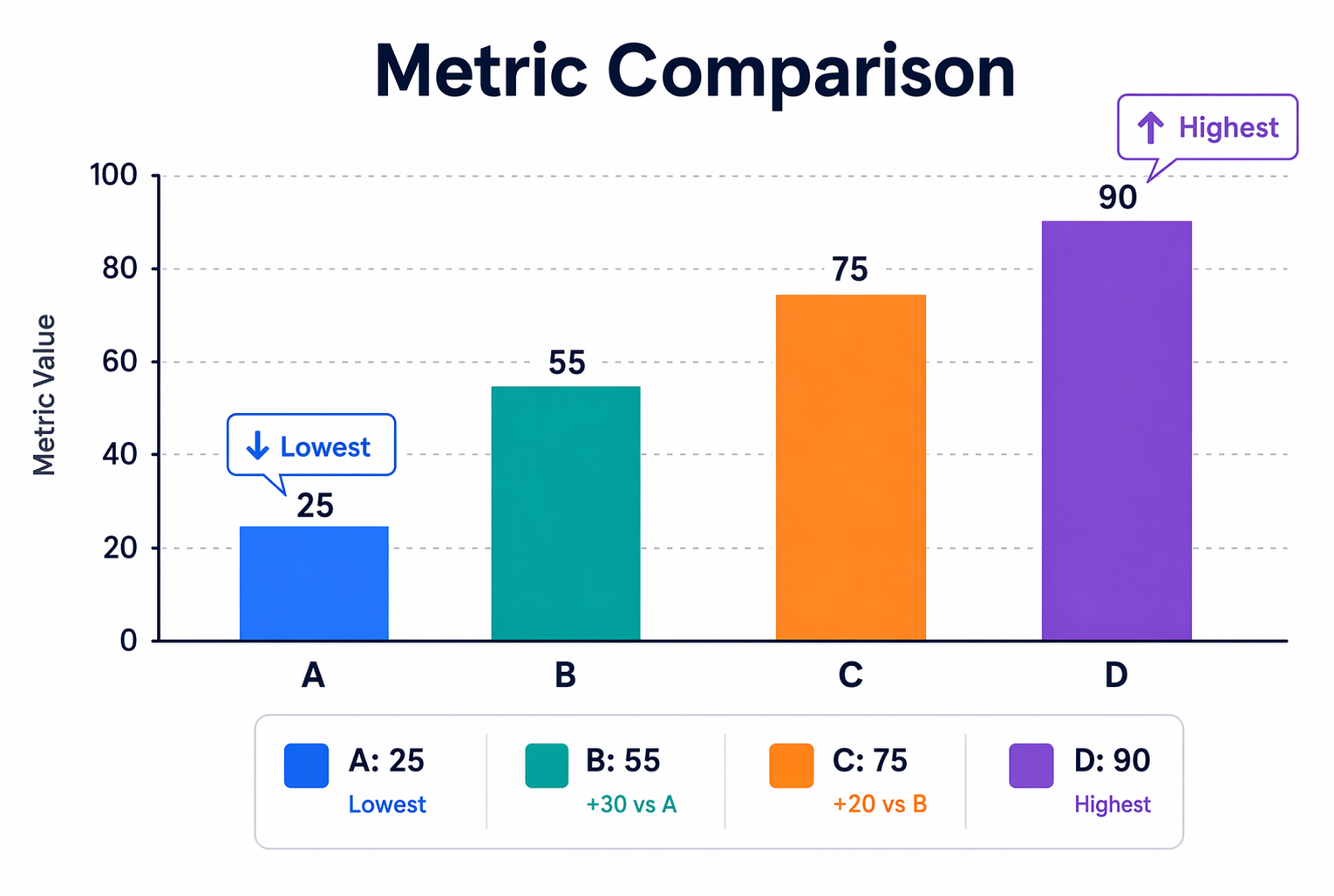
AI shopping pilots usually move engagement first, then conversion. Studies on AI shopping tools show higher engagement and lower bounce, but mixed conversion gains so far Adobe research.
Your Neuralens metric stack should look like:
- Primary: Checkout conversion rate
- Secondary: AOV and revenue per session
- Tertiary: Session depth, product views, assisted revenue
Treat click metrics as directional. Only call it a win if conversion or revenue per session rises in a clean A/B test.
Best-fit scenarios for stronger lift
AI shopping agents tend to outperform in high choice and high friction categories, where buyers want guidance. Large scale tests show stronger effects in complex purchases like electronics and jewelry AI shopping experiment.
Neuralens is most likely to lift:
- Multi SKU catalogs with spec heavy products
- Traffic with clear buying intent
- Sites that already have solid speed and UX
Fix obvious checkout leaks first. Neuralens then amplifies a healthy funnel instead of masking core issues.
Final verdict: when Neuralens AI shopping is worth testing
Go-live criteria and next action
Neuralens AI shopping is worth a live test if:
- You already convert at least 1.5 - 2 percent of traffic
- You have clean event tracking and a stable funnel
- You can run a 4 week A/B test
AI assistants have already driven measurable online sales lift in retail, as shown in Salesforce Cyber Week data.
If you are evaluating real-time shopping for your store, use this framework to run a controlled Neuralens pilot, then compare against the broader strategy on the parent pillar page. See how Kandid can run similar AI agents with measurable lift.
Frequently Asked Questions
Q1: What is Neuralens AI real-time shopping and how does it work on-site?
Neuralens AI runs as an on-site sales assistant that reads your catalog, pricing, and content, then answers questions and suggests products in real time. It plugs into your store, tracks behavior, and nudges visitors toward the right item and offer.
Q2: How do you test on-site lift from an AI shopping agent?
Set up an A/B test: traffic split 50/50, AI-on vs AI-off. Use your A/B platform, analytics, and revenue attribution. Run at least 2 weeks, then compare CVR, AOV, revenue per visitor, and key funnel drop-offs.
Q3: What metrics should improve with real-time shopping AI (CVR, ROAS, AOV)?
Watch CVR and revenue per visitor first. Then track AOV, add-to-cart, and session depth. For paid campaigns, check blended ROAS. If traffic and pricing stay stable, gains here point to real lift from the AI agent.
Conclusion
Neuralens AI real-time shopping should be judged by measurable on-site lift, not shiny features. Studies on generative AI shopping agents report double digit conversion gains in controlled tests for high intent retail journeys Measuring AI performance, and similar lifts in large field experiments Generative AI and productivity.
The core success metrics are CVR, AOV, revenue per session, and guardrail performance. A controlled test with a clean control group, fixed success window, and stable traffic is the best way to prove value. Neuralens fits best in high intent, high consideration ecommerce - think EVs, complex tech, or premium personal care.