Immerss Personalization for D2C: Honest Look at Fit
If your D2C catalog depends on fit, compatibility, or the right variant, generic recommendation widgets will fail you fast. Many brands need more than "similar items" carousels. You want guidance that helps shoppers pick the right item, cuts friction, and does not blow up support tickets. This review looks at Immerss through one lens: can it handle product matching, real-time advice, and tricky fit scenarios, and is it worth it based on conversion, complexity, and team effort.
What Immerss does well for D2C product recommendations
Best-fit product journeys
Immerss shines when your sale needs a guided story, not just a product grid. Think complex EV accessories, skincare routines, or bundled tech. Shoppers can see, ask, and compare in real time with an expert. That format works well for high consideration, high price, or multi-step decisions.
Where it can improve conversion
Immerss helps most when the friction is confusion, not traffic. If people browse but do not know which variant, bundle, or size to pick, live or video-assisted sessions can close that gap. It turns vague interest into clear choices, which tends to lift both add to cart and AOV, similar to how tools like gethelium.co use contextual guidance.
Where the product feels strongest
Immerss feels strongest in use cases where a human-style walk through beats static personalization widgets. It is great for fit focused categories like mobility gear, home tech, and layered routines. If your catalog needs explanation more than discounting, Immerss gives that showroom style help at scale.
Fit, sizing, and compatibility: the real test
Why fit errors are expensive
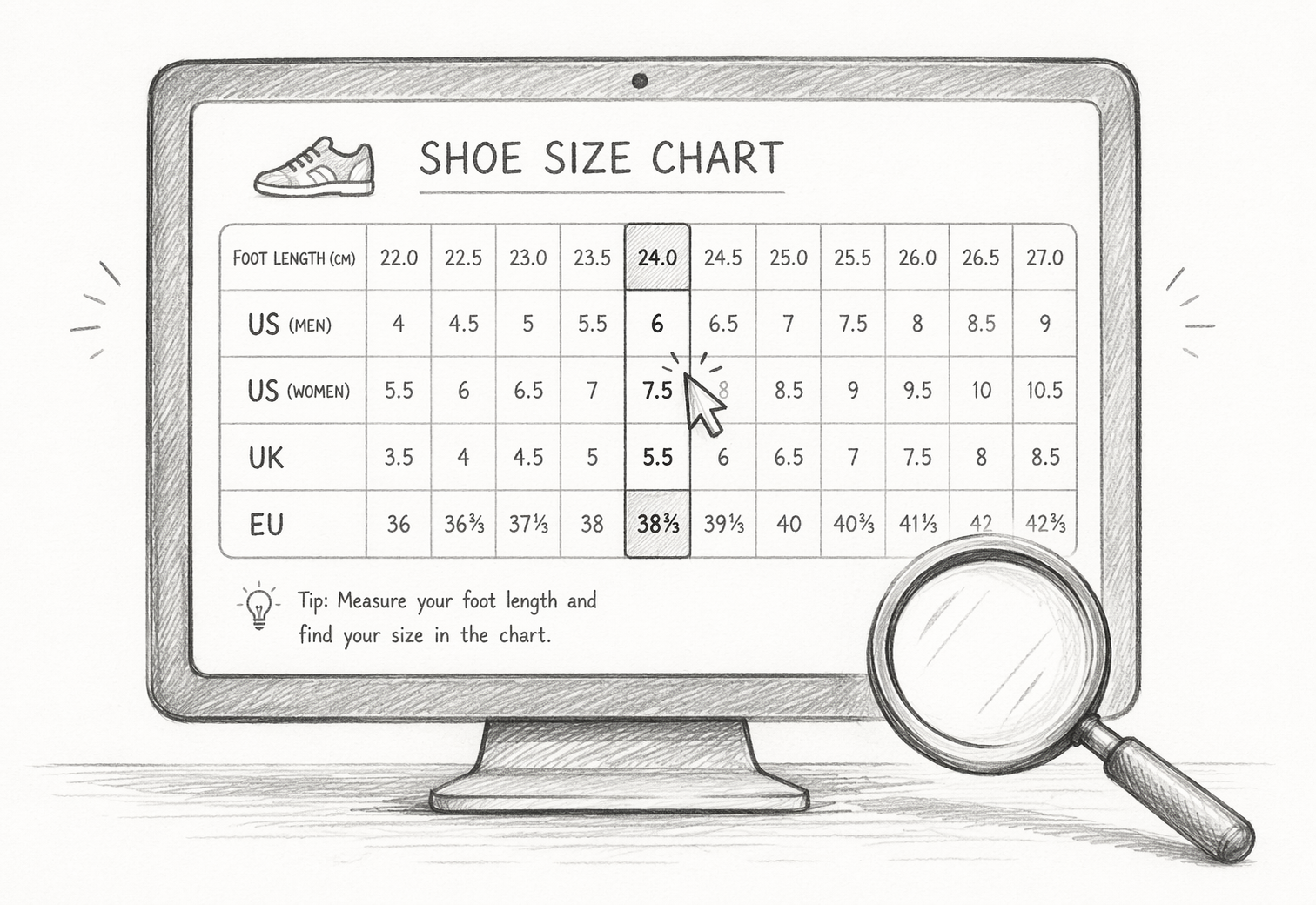
Fit mistakes hit your P&L fast. Wrong size or bad compatibility means
- return + reverse logistics
- open-box stock you sell at a discount
- churn from annoyed buyers
For high consideration products, that is not just a refund. It is a lost customer and a tanked LTV.
What to validate before buying
Before you even trial Immerss for D2C, you need to ask:
- Can it handle size logic beyond a static chart.
- Does it understand compatibility rules, not just tags.
- Can it surface guidance inside PDP and chat, not only on live video.
- How it plugs into your PIM and analytics so you can track fit driven returns.
If your agent cannot answer "will this fit me" in one message, you will still bleed returns.
Categories that benefit most
Some categories feel fit pain more than others:
- Apparel and footwear
- Beauty and personal care shades
- Nutrition and wellness stacks
- Consumer electronics and accessories
Brands like Ace Blend saw buyers drop off due to dosage and compatibility confusion, until AI assistants started answering those pre purchase questions in context, as seen in the getmanifest.ai case study.
Implementation reality: what teams should expect
Team and workflow impact
Expect Immerss to touch product, CX, and marketing.
You need one owner to run point, plus:
- Product or PIM owner to keep specs current
- CX lead to review conversations
- Analytics owner to track lift vs control
Treat it like hiring a salesperson, not installing a plugin.

How to judge success
Do not stare at chat volume. Watch:
- Conversion rate and AOV for engaged sessions
- Time on PDP and bounce rate
- Support deflection vs tickets created
Tie Immerss events into your analytics platform so you can compare engaged vs non engaged traffic over a 30 day window.
Common reasons rollouts disappoint
Most failed rollouts look the same:
- Half baked product data or messy PIM
- No clear sales goal or baseline
- No one reviewing bad answers
- Widget buried or ignored on key PDPs
Immerss will not fix weak copy, broken pricing, or slow pages. It only amplifies what is already there.
verdict: who should consider Immerss
Best for brands with complex choice architecture
Immerss suits D2C brands where shoppers get stuck choosing. Think multi-variant EVs, tech gear with specs, or layered skincare routines. If you already invest in guided selling and want live, human-like sessions, Immerss fits better than a simple AI widget.
When to look elsewhere
If you want self-serve, always-on product guidance at scale, an AI sales agent like Kandid or Manifest makes more sense than live Immerss sessions. Same story if your AOV is low, margins are thin, or your core problem is basic support, not deep consultative selling.
Final recommendation
Use Immerss when each buyer is high value and human guidance shifts the cart total. Pair it with analytics and your PIM to track uplift. If you need 24/7 automated guidance for every visitor, prioritize Kandid first and treat Immerss as a later layer.
If your D2C store depends on better product matching, use this review to assess Immerss - then test Kandid alongside it for real-time guided selling.
Frequently Asked Questions
Q1: Is Immerss overkill for a small D2C brand?
It might be. If you have under 30 SKUs and simple choices, Immerss is often more than you need. You may get more value from lighter tools or a sales AI like Kandid that guides buyers without heavy setup.
Q2: How much internal work does Immerss usually need?
Plan for serious prep. You need clean product data, clear sales scripts, and trained staff. If your PIM is messy or your team hates process, Immerss will feel slow. Fix data and workflows first, then roll it out.
Conclusion
Immerss makes the most sense when you sell fit-sensitive or complex products where choice friction is real. Use it to solve sizing, compatibility, and high-stakes purchases, then judge it on conversion lift, return reduction, and shopper confidence, not novelty. If your product data is messy or your use case vague, fix that first or any personalization layer will disappoint.