CartChat for Engagement Automation: Pros, Cons, Worth It
If you are weighing CartChat for ecommerce engagement automation, the real question is not what it does - it is whether it will actually improve conversion and justify the cost.
Most product reviews stop at feature lists and leave D2C teams guessing about pricing, setup effort, and real-world ROI.
This review breaks down CartChat’s pros, cons, pricing considerations, and fit so you can decide fast if it is worth it for your store.
It is built for operators comparing engagement automation tools against conversion targets, staffing limits, and ecommerce growth goals.
Quick Summary: CartChat is presented as a solid but fairly basic engagement automation tool for D2C ecommerce, best at fast responses, 24/7 FAQ handling, and reducing support load on straightforward Shopify or Woo stores. The article says its main drawbacks are shallow product understanding, limited context in follow-ups, weak emotional nuance, and thin reporting, which makes it less suitable for complex catalogs or high-consideration products. Whether it is worth it depends less on the subscription price than on total ROI: setup time, ticket deflection, assisted conversions, upsells, and whether it can replace meaningful support effort. It is recommended for brands with steady traffic and repetitive pre-purchase questions, but skipped by low-traffic or low-AOV stores, or teams expecting a set-and-forget AI sales solution.
CartChat pros and cons for D2C teams
1. What CartChat does well
CartChat gets the basics of engagement automation right for most D2C stores.
Big wins you can expect:
- Faster responses than human-only support, which matters when shoppers are price comparing in real time.
- 24/7 coverage for repeat questions on shipping, returns, order status, and simple product FAQs.
- Lower support load because the bot absorbs a chunk of low-value chats and tickets.
- Simple setup if your stack is standard Shopify or Woo, and your flows are not overly complex.
Think of CartChat as a decent first layer: it catches easy stuff so your team can focus on tricky, high-value conversations.
2. Where CartChat can fall short
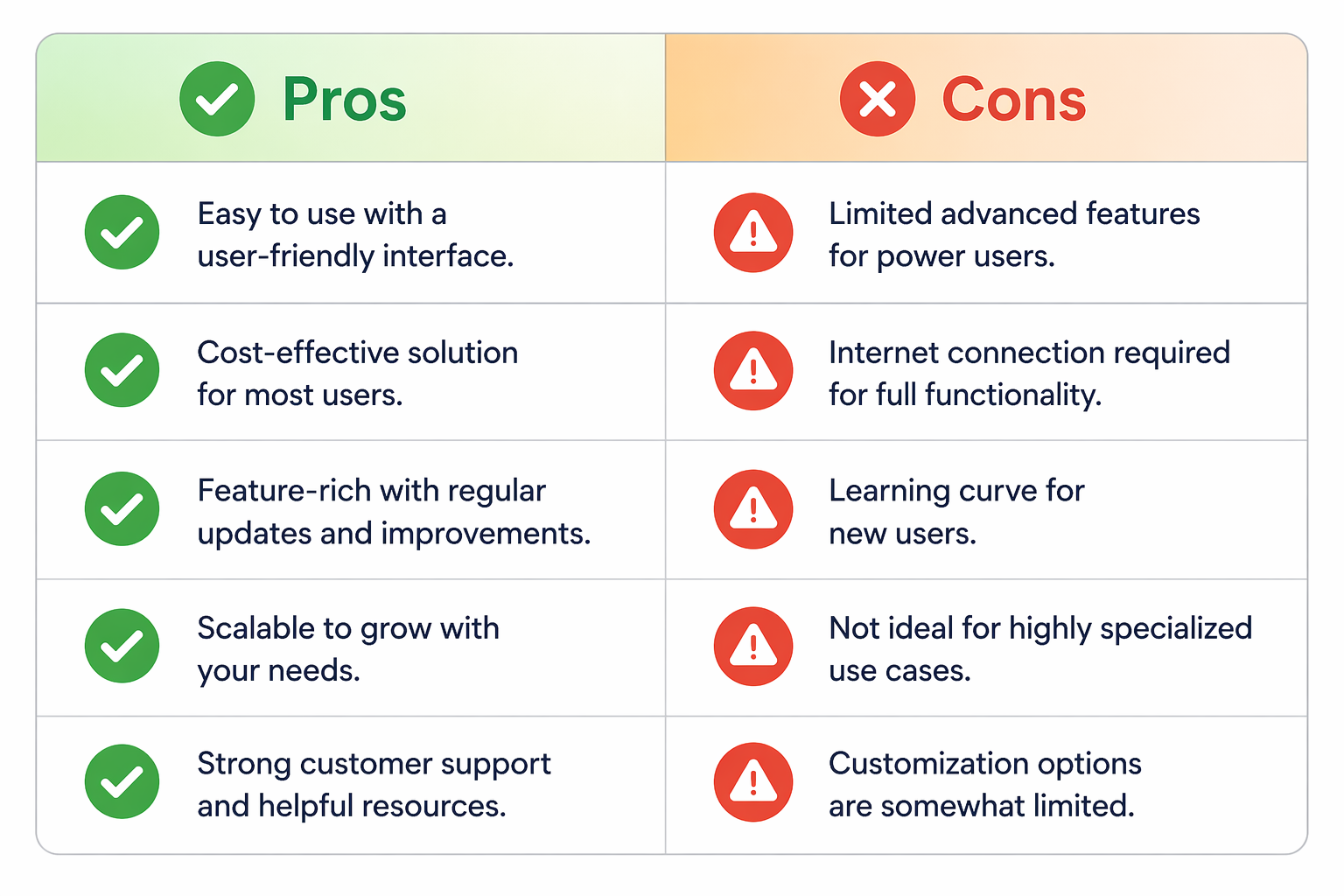
The cracks show when your catalog or buyer journey gets more complex.
Typical weak spots:
- Shallow product understanding. It behaves like a scripted chatbot, not a real sales agent that decodes specs or compares models.
- Limited context across sessions, so abandoned cart follow ups feel generic, not like the context-rich journeys described in high-ROI AI agent deployments on ringg.ai.
- Little emotional tone. It risks the “polite robot in demo mode” problem called out in the teardown of Kandid-style agents on brandripper.com.
- Thin reporting. You may not get deep chat transcript insight for CRO work.
If your shoppers need education, not just support, this becomes a real ceiling.
3. Best-fit use cases
CartChat fits best when:
- You run a simple catalog with clear variants and low-ticket products.
- Your goal is deflecting repetitive questions, not serious sales assistance.
- You want quick coverage before investing in a heavier AI sales stack.
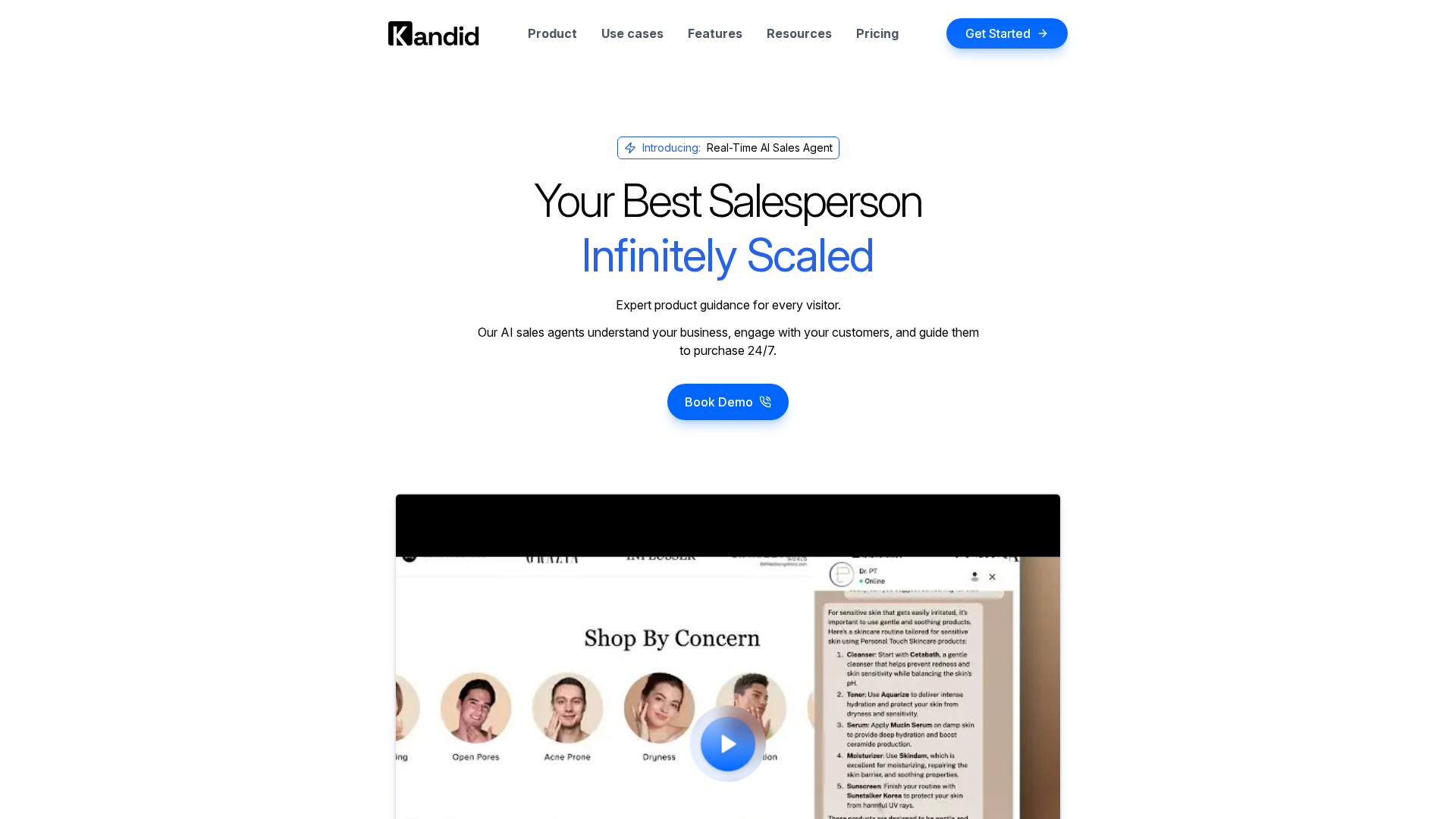
If you sell high-consideration tech or skincare and want a true AI “salesperson”, tools like Kandid sit closer to what you actually need.
CartChat pricing and ROI: is it worth it?
CartChat looks cheap or pricey only if you stare at the subscription line. That is the wrong lens.
1. How to evaluate pricing beyond the subscription fee
Treat CartChat like a junior sales rep, not a plugin.
Look at the full cost stack:
- Tool fee - monthly plan plus any usage add ons
- Time to set up - your team or agency hours
- Support load - does it reduce tickets or create new ones
- Data value - does it give clean chat insights you can act on
Then stack that against value:
- Extra orders from assisted sessions
- Higher AOV from upsells
- Fewer abandoned carts vs your email flows, where conversational cart recovery can be 3 to 5 times better than email in some WhatsApp style flows, as shown in getkanal.com
If CartChat is not replacing at least one support headcount over a year, the math will feel weak.
2. Simple ROI framework for D2C brands
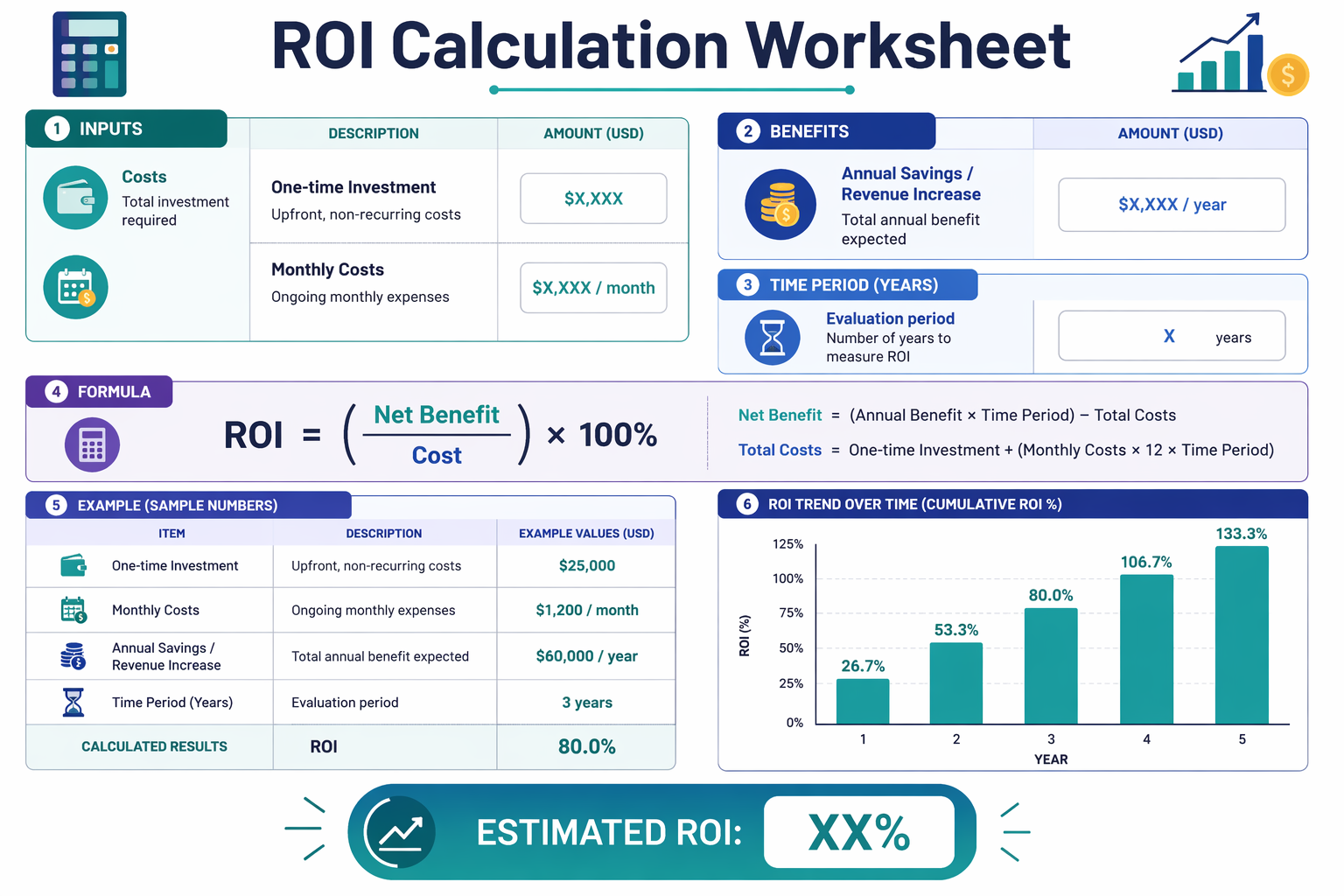
Use a quick model:
- Track assisted sessions per month
- Measure conversion rate for those chats
- Attribute revenue to those orders
- Subtract CartChat cost and any setup effort
You can mirror the idea of "revenue per conversation" that conversational commerce teams use in tools like Kanal, as seen on getkanal.com. Aim for at least 5 to 10 times tool cost in net margin.
3. When the tool is likely worth it
CartChat tends to be worth it if:
- You have 10k plus monthly visitors
- Products need explanation, not just pretty images
- Your current support team is stretched
For brands choosing between CartChat and AI sales agents like Kandid, the question is depth of guidance. If CartChat only answers simple FAQs while an agent like Kandid can decode specs, compare products, and drive clear purchase choices, you may get more ROI from the richer agent even at higher headline pricing.
Who should choose CartChat - and who should skip it
CartChat makes sense if you treat your site like a sales floor, not a brochure. You want an AI sales rep, not a passive widget.
Best for these teams
CartChat fits best if you:
- Run a D2C brand with considered purchases (EVs, electronics, skincare, mobility aids).
- Get lots of pre purchase questions that slow checkout.
- Already spend on paid traffic and hate leaking high intent sessions.
- Have at least one person who can own setup, training, and weekly review.
If you already use AI sales agents like Kandid or Helio AI, CartChat can sit beside them as a focused on site engagement layer.
Not ideal if your situation looks like this
Skip CartChat if you:
- Sell low AOV impulse products where chat adds friction.
- Have almost no traffic yet.
- Cannot keep product data and policies up to date.
- Expect “set and forget” magic without testing or KPI tracking.
Final recommendation
Use CartChat if you are ready to treat it like a real salesperson: train, review, and measure it. Otherwise, invest in traffic and basics first.
Tired of wondering if CartChat is enough? Compare it against your real gaps, then test Kandid on high-intent traffic this week.
Frequently Asked Questions
Q1: Is CartChat worth it for small D2C brands?
CartChat makes sense only if your traffic is steady and you can track lift. If you get under 20k sessions a month, start with a cheaper tool or Kandid’s usage based plan, prove a conversion bump, then decide if CartChat’s higher cost is justified.
Conclusion
CartChat makes the most sense if you want always-on ecommerce engagement that actually nudges people to buy and recover carts. The real question is not how clever the bot feels, but whether your traffic and product complexity justify the spend and setup. For most D2C teams, it fits best on higher intent stores that need automation, but cannot afford to pile more live chat work on a lean crew.