CartChat as an AI Sales Agent: Pros, Cons, Worth It
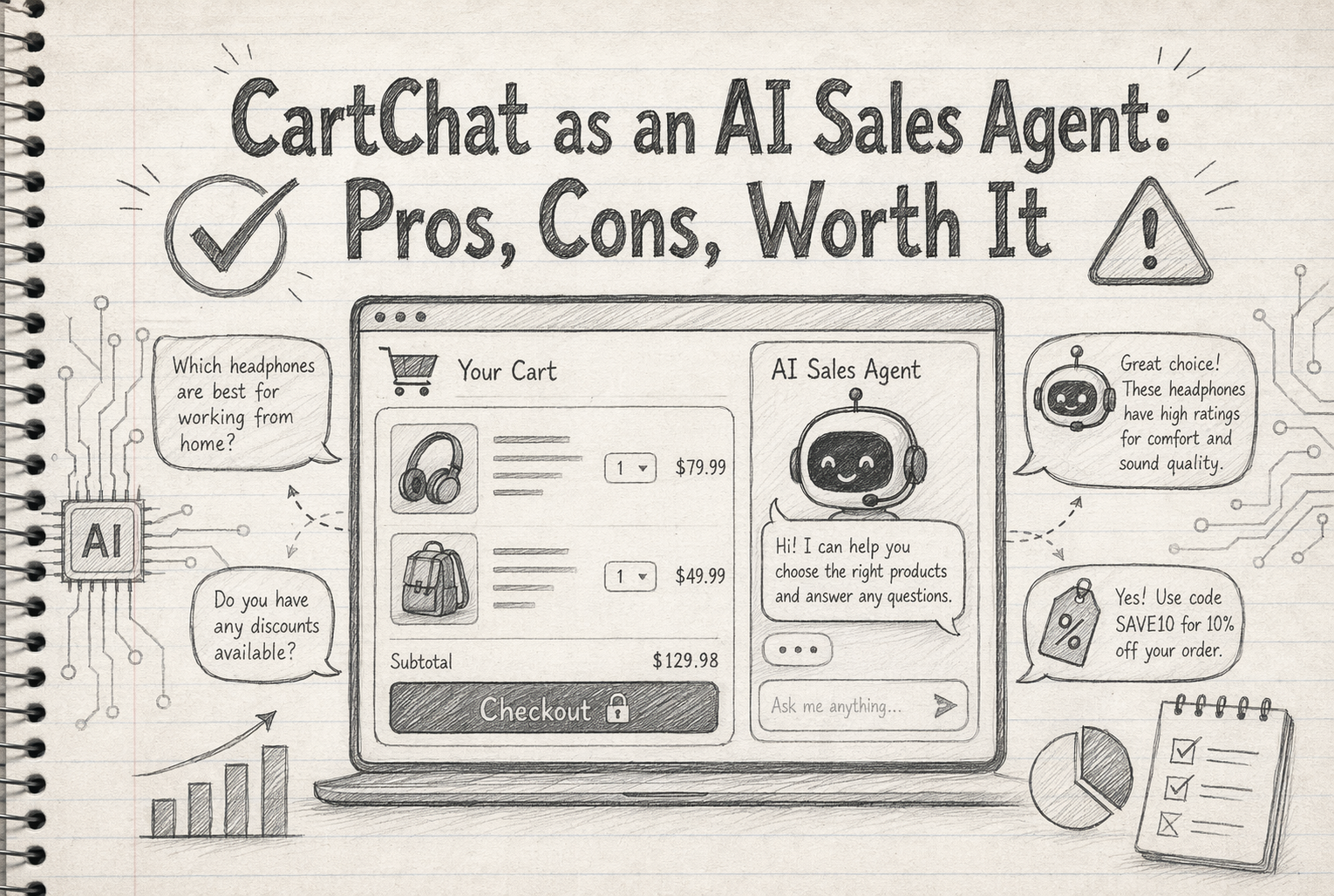
CartChat claims to turn passive visitors into live sales chats on autopilot. For a D2C brand, the real test is whether this AI sales agent actually lifts revenue or just adds noise to your tech stack. Most AI sales agent reviews list features but skip impact on conversion, AOV, CX, ROAS, AI appointment setting, or AI outbound sales. This review is built for e-commerce decision-makers who need a clear, practical take on how an AI sales agent like CartChat fits real sales workflows and if it is worth paying for.
How CartChat works from first click to checkout
CartChat sits on your site as a live AI sales agent that reads your catalog, FAQs, and policies via your Shopify data and app install, so it can answer product questions and guide shoppers toward a cart in real time, as described in CartChat’s overview.
Entry points and triggering moments
CartChat usually triggers when:
- A visitor lands on key pages like PDPs or cart
- Scroll depth or time-on-page shows hesitation
- Exit intent appears on cart or checkout
You can also show the widget after specific UTMs or paid campaigns, so high-intent traffic gets instant help instead of bouncing.
Conversation flow and conversion handoff
Typical flow:
- Qualify intent (who they are, what they need).
- Decode specs, compare products, and surface 1 to 3 picks.
- Drop shoppable product cards that deep link into Shopify cart, as seen in the Shopify app listing.
When needed, CartChat can hand off to human chat or a support form so complex issues do not block the sale.
Pros and cons for D2C brands
Where CartChat can improve revenue
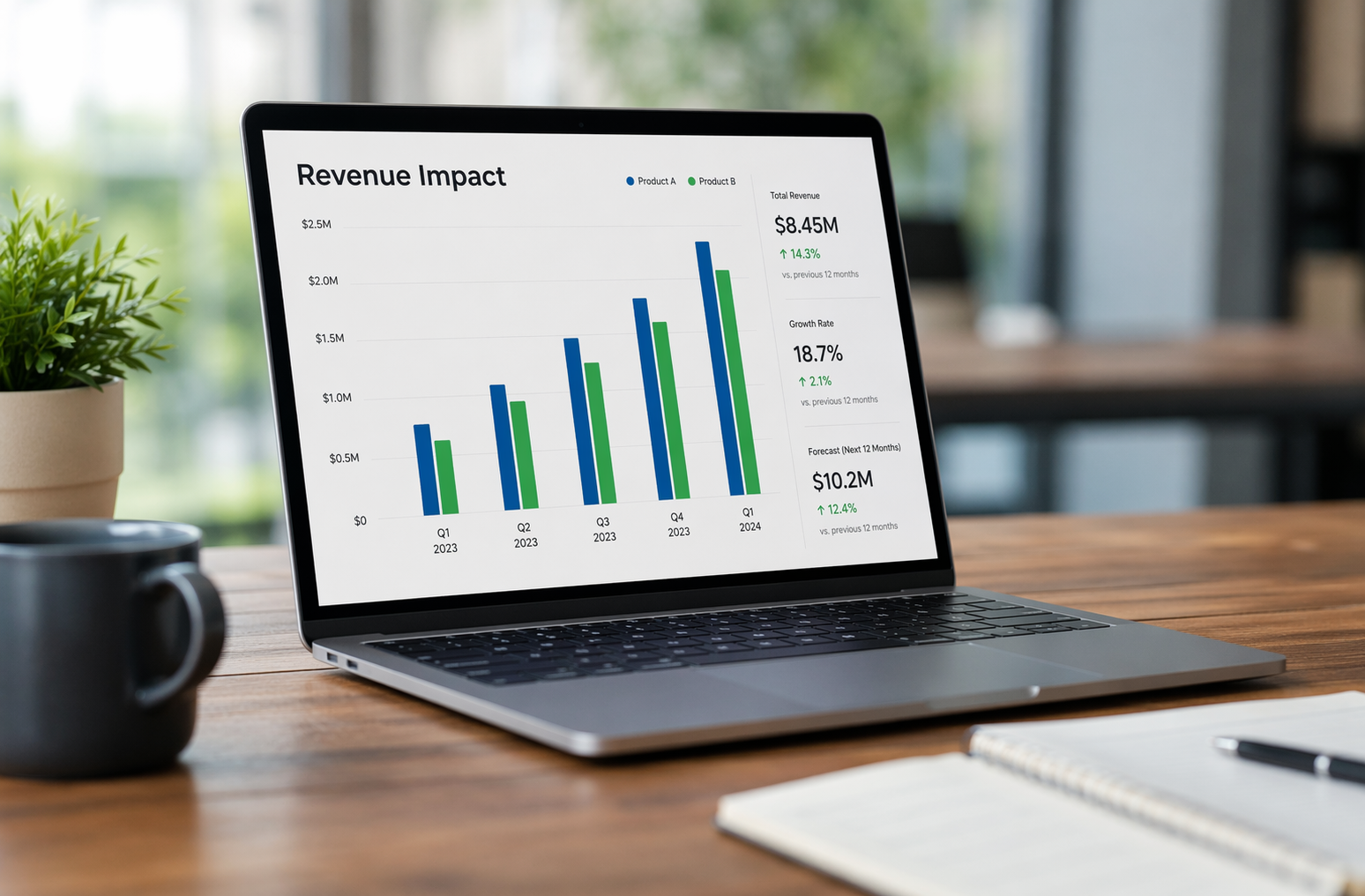
CartChat aims to do what most D2C teams want from AI: handle product questions, reduce drop-offs, and push better carts 24/7. Generative AI can lift marketing and sales performance by improving relevance and speed of responses, which McKinsey links to higher revenue impact for consumer brands using it in personalization and sales journeys How generative AI can boost consumer marketing.
Key upside areas for D2C:
- Guided selling for complex catalogs (EV gear, tech, skincare routines).
- Higher AOV via smart cross-sell and upsell.
- 24/7 pre-sales coverage without scaling headcount.
- Structured data from chats that feeds GA4 and Shopify experiments.
Kandid, CartChat, Helium, and others all try to turn high-intent traffic into more orders, but CartChat is strongest when you already have solid on-site traffic and clear product education gaps.
Where the risks show up
AI agents can also hurt the brand if they are rushed into production. Retail AI studies show bots can now absorb a large share of queries, but poor design still creates friction and trust issues AI chatbots absorb 70% of customer queries in retail giant.
Main risk areas:
- Wrong or unsafe product advice for regulated or sensitive items.
- Off-brand tone that clashes with your positioning.
- Over-aggressive discounting logic that trains people to wait for coupons.
- Poor GA4 and Shopify tagging, so you cannot prove lift or run clean A/B tests.
- Support team frustration if CartChat promises things your operations cannot deliver.
Is CartChat worth it for conversion, AOV, and ROAS?
When CartChat is a strong fit
CartChat makes sense if you already get solid traffic and have clear gaps in conversion. AI sales agents can lift conversion by 3% to 10% and AOV by 5% to 20% when used as guided selling, according to ecommerce AI benchmarks.
Best fit if:
- You spend real money on paid ads and care about ROAS
- Your catalog is complex (EV, tech, personal care bundles)
- You can track AI vs non-AI sessions in GA4 or Shopify
If you plan to layer CartChat with tools like Kandid, decide which agent owns which pages to avoid overlap.
When to hold off
Skip or delay CartChat if:
- Your site gets under 10k monthly sessions
- Your PDPs and FAQs are thin or out of date
- Your analytics are not set up to track uplift
You will struggle to prove value or tune ROAS if you cannot compare assisted vs non-assisted sessions, as seen in large live chat studies like Smartsupp’s 5 billion visit report.
Also pause if your team cannot maintain product data or answer flows at least monthly.
Final verdict and next steps
CartChat works best for brands that want a simple, always-on AI sales agent and mostly run on Shopify. It focuses on real-time product help and nudging to checkout, with clear revenue claims on its own site CartChat overview.
You should:
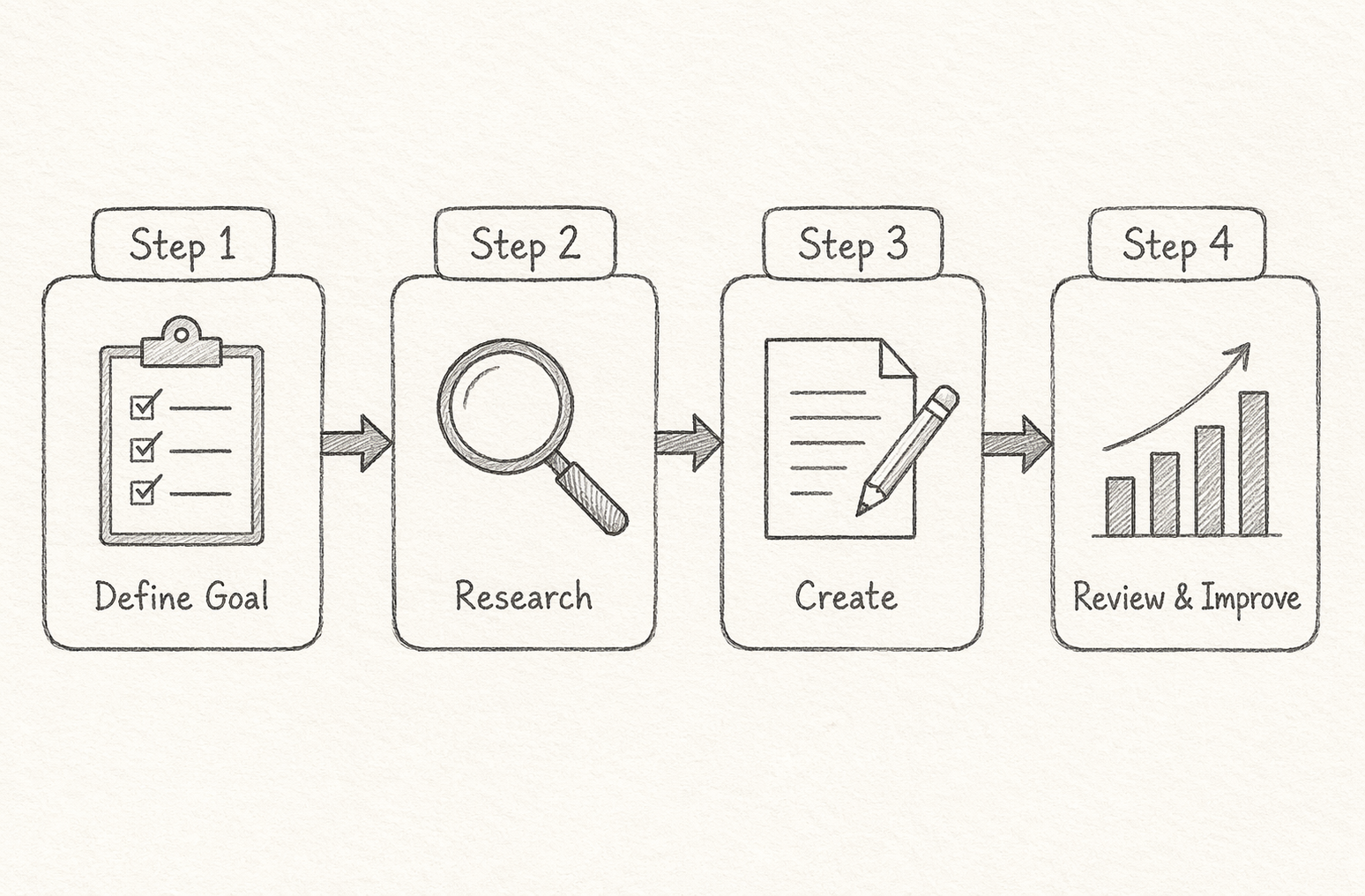
- Run a 30 day test vs your current setup.
- Track lift in conversion, AOV, and support tickets.
- If you outgrow CartChat’s flexibility or channel coverage, compare it with Kandid or another specialist AI sales agent.
Review CartChat against your funnel metrics and compare it with the broader AI sales agent strategy in the parent pillar page. Then trial Kandid as your always-on AI sales agent to lift conversion, ROAS, and AOV without adding headcount.
Frequently Asked Questions
Q1: What are CartChat AI sales agents and how do they work end to end?
CartChat plugs into your store, pulls product and content data, then chats with visitors in real time. It answers questions, recommends items, pushes bundles, triggers discounts, and logs data back into analytics and your CRM for follow up.
Q2: What pros and cons should D2C brands expect from CartChat as a sales agent?
Pros: more coverage than human chat, faster replies, scalable product education, measurable uplift. Cons: training effort, risk of off-brand answers, limits on complex edge cases, and a learning period before it matches a strong human rep.
Conclusion
CartChat makes the most sense when you need scalable, always-on sales chats that act like a tireless rep, not a FAQ bot. Recent holiday data shows AI agents can lift online sales and conversion for retailers that deploy them well, according to Salesforce’s Cyber Week report.
The real test is simple: does CartChat move conversion, AOV, and ROAS enough to cover its cost and governance overhead?
Best fit buyers are D2C brands with:
- Solid traffic volume
- Complex product choices or bundles
- Enough margin to fund testing and tuning
For those teams, CartChat - paired with GA4, Shopify analytics, and proper A/B tests - can be a strong revenue lever, especially against rivals using lighter tools like Manifest or Helium.