AI Sales Agents News: 2026 Launches and Measurable Gains
AI sales agent launches are exploding in 2026, but operators care about one thing: do AI sales agents actually lift conversion, improve ROAS, or both. Many teams chase AI sales agent news and roll out 2026 AI sales agents, then get stuck proving impact because they stare at vanity chatbot metrics instead of hard revenue data. This article shows which KPI should lead, how to read launches through a performance lens, and what gains D2C brands can really measure. Built for e-commerce leaders who judge AI sales agents by revenue, speed, and catalog accuracy, not hype.
What 2026 AI sales agent launches are really promising
Why launch announcements matter to D2C operators
AI sales agents stopped being hype and started moving numbers. Shopify reports AI referred shoppers convert almost 50% higher and drive 14% higher AOV than organic search sessions, which is a serious signal for any D2C P&L Shopify AI search insights.
Launch announcements now tell you three things:
- What type of journeys the agent can handle.
- What metrics brands are actually improving.
- How fast teams can deploy without blowing up dev roadmaps.
Platforms like Kandid and competitors such as Helium or Sage Pilot lean on these case studies to prove real upside, not just new UI.
Which measurable gains are showing up most often
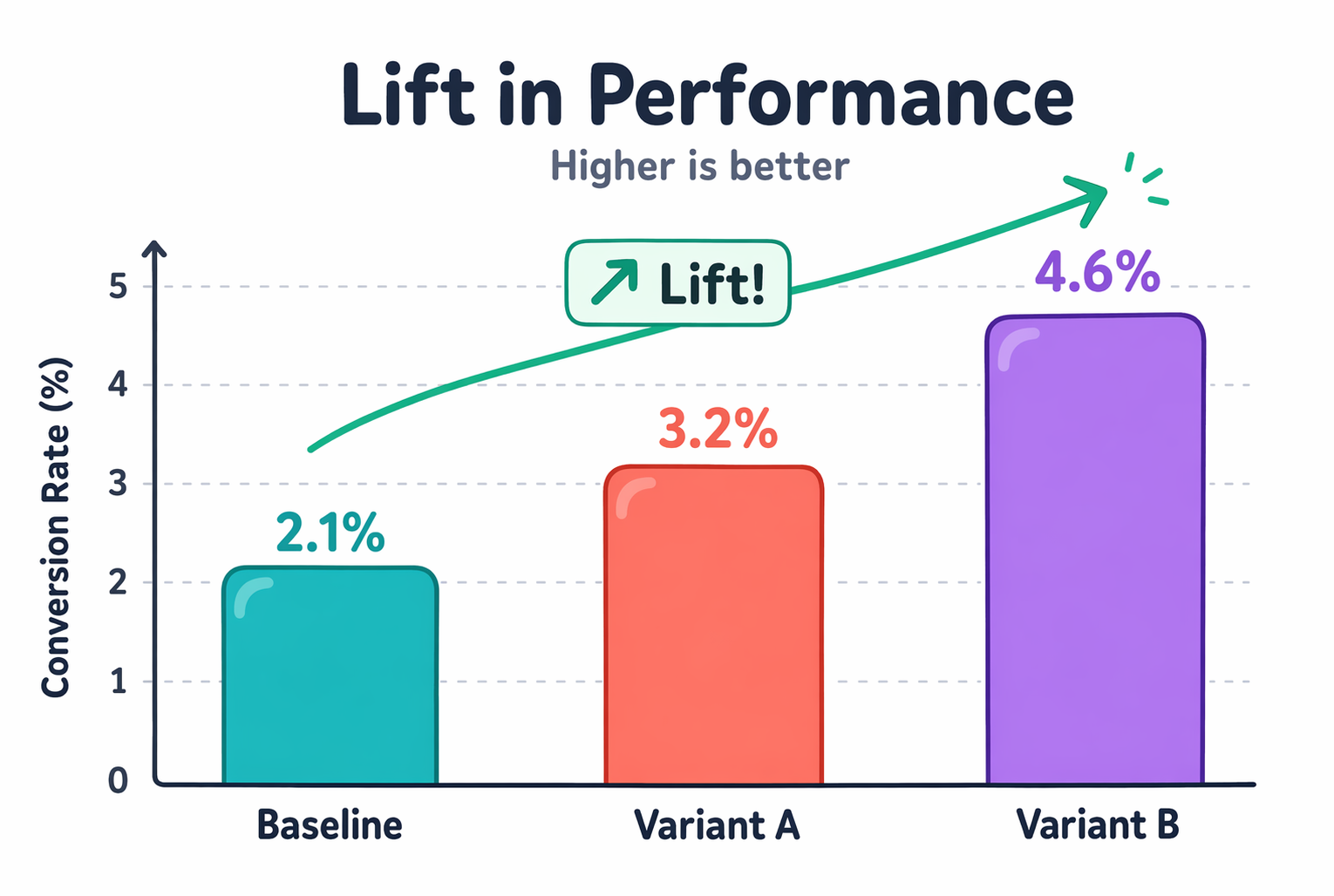
The most promising 2026 launches lead with hard metrics: conversion rate, AOV, and abandoned cart recovery.
Examples in market:
- Walmart’s Sparky AI agent has driven about a 35 percent AOV lift for brands using the experience Sparky AOV lift.
- AI guided discovery flows now report 15 to 22 percent conversion on product discovery sessions in some apparel and footwear stacks AI discovery conversion.
The real standouts share one trait: they plug into analytics so operators can track lift against a clean control group.
Conversion lift or ROAS: the metric that should lead your decision
When conversion lift is the better primary metric
Conversion lift is your leader when you want truth, not vibes. It shows how many extra orders your AI sales agent or ads caused, using experiments and holdout groups. That makes it a causal metric, not just correlation. Platforms like Google Ads describe conversion lift as a way to measure incremental impact, not just tracked conversions Google Ads help.
Use lift as your primary KPI when:
- You test a new AI agent like Kandid or a new channel.
- You suspect current ROAS is inflated by people who would buy anyway.
- You make big budget calls that you cannot easily undo.
When ROAS should be the headline KPI
ROAS is still useful as your headline metric when:
- You already validated incrementality with lift tests.
- You are tuning bids, budgets, and creatives week to week.
- Finance cares about a simple revenue per dollar number.
Experts point out that ROAS often overstates impact because it credits many non-incremental buyers, especially in retargeting and branded search EncubIQ whitepaper.
Use ROAS for:
- Comparing campaigns inside one channel.
- Short feedback cycles while you keep an eye on lift in the background.
If ROAS is high but lift is flat, you are paying for orders you would have gotten anyway.
The practical rule for 2026 measurement
Here is the simple rule: lift decides strategy, ROAS manages tactics.
- First, run lift tests for your AI sales agent and key channels at least twice a year.
- Use those tests to learn which campaigns and tools drive real incremental orders.
- Then let ROAS steer day to day spend inside those proven areas.
For tools like Kandid and its peers, treat incremental conversion rate lift as the gatekeeper metric. If an agent does not move lift, do not scale it, no matter how pretty the ROAS looks.
In 2026, winning teams treat ROAS as a speedometer and conversion lift as the map.
How global D2C brands should measure impact in the first 30 days
Track time-to-first-response by market and channel
Fast replies are the first proof your AI sales agent works.
Customer service research shows shoppers expect help within minutes, not hours, especially on live channels like chat and messaging apps Gorgias FRT guide.
Track by:
- Market: US vs EU vs APAC
- Channel: site chat, WhatsApp, email, Instagram DMs
Set targets:
- Live chat: under 30 seconds
- Messaging: under 2 minutes
- Email: under 1 hour
If a region or channel lags, tweak routing or bot coverage.
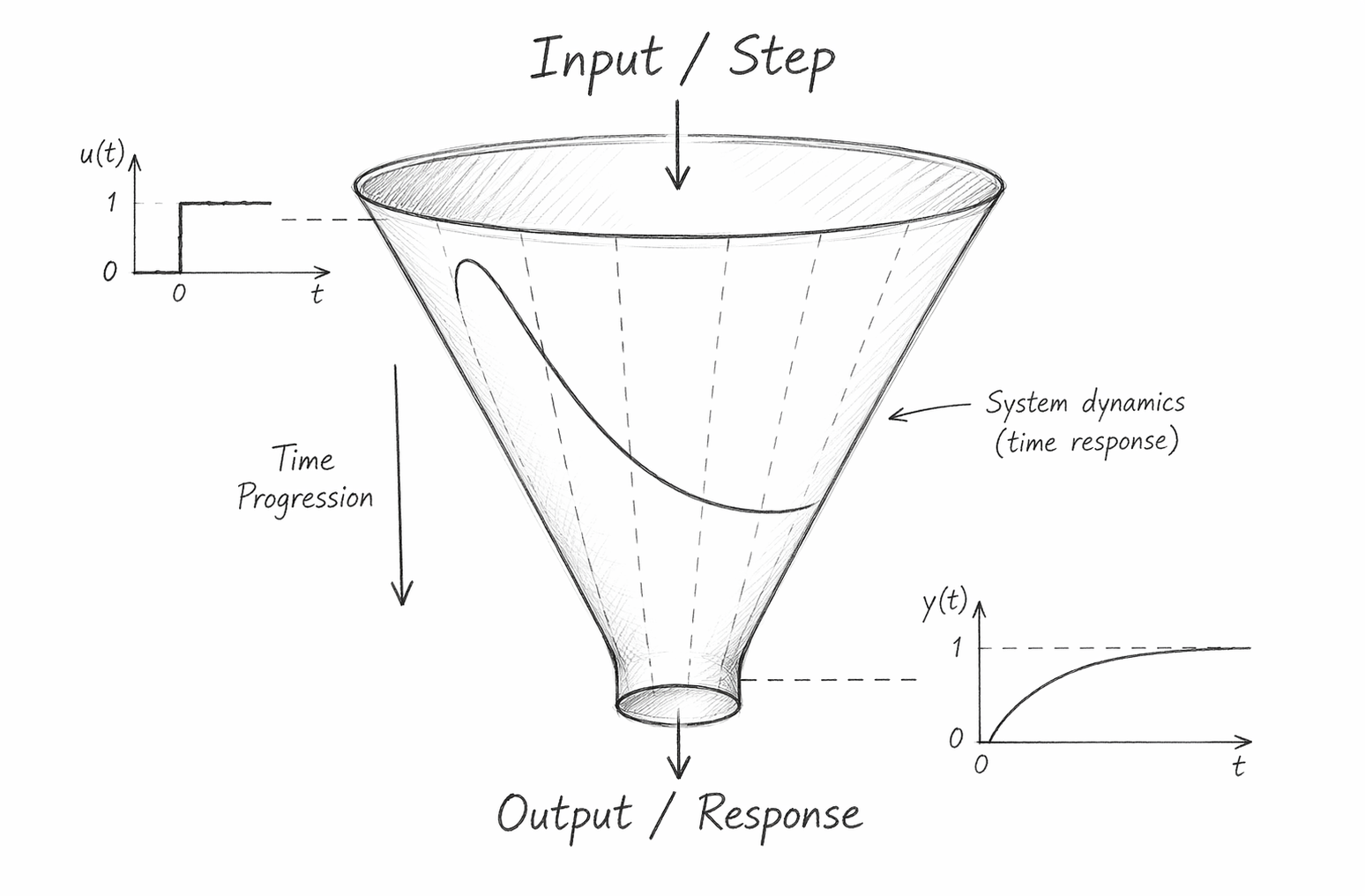
Watch the trend, not just the average. Spikes during drops or launches show where to staff or tune flows.
Use catalog accuracy to protect conversion
AI agents win or lose you trust on product accuracy. A pretty reply that recommends the wrong serum for sensitive skin, or the wrong charger for an EV, kills conversion and creates returns.
Build a simple weekly conversation QA checklist:
- 20 random chats per key market
- Check: product match, price, stock, variant, policies
- Tag each: correct, partially correct, wrong
Turn this into a catalog enrichment workflow:
- List every failure pattern (missing spec, unclear fit, bad cross-sell).
- Update product data and training content.
- Re-test the same scenarios.
If accuracy is under 95 percent on audited chats, fix catalog gaps before you scale spend or traffic.
Set a 30-day scoreboard for launch review
You need one shared scoreboard for marketing, CX, and product. Keep it simple and tie it to money.
Use your analytics dashboard and attribution platform to track:
| Metric | 30 day goal | Owner |
|---|---|---|
| Time-to-first-response | -30 percent vs baseline | CX |
| Assisted conversion rate | +10 to 20 percent on AI engaged sessions | Growth |
| AOV on assisted sessions | +5 to 15 percent | Ecommerce |
Layer in session engagement (pages per session, chat start rate) to see if the AI agent like Kandid is actually guiding shoppers toward a purchase path, not just answering support questions.
If the scoreboard does not show lift by day 30, freeze feature creep and focus on fixing response speed and catalog accuracy first.
What to do after reading the 2026 launch news
A fast checklist before you buy or expand
Use launch news as a filter, not a trigger. Before you move:
- Check proof
- Look for hard numbers on conversion lift and AOV, like the gains reported by Shopify for AI driven sessions here.
- Ask for vertical benchmarks, not just global averages.
- Check fit
- Does the agent handle your catalog complexity and brand voice or just FAQ?
- Can it plug into your current analytics and attribution stack?
If a vendor cannot show a clean 30 day test with clear KPIs, pause the deal.
Review your AI sales agent KPI setup against the conversion-lift-versus-ROAS framework, then visit the pillar page to map rollout.
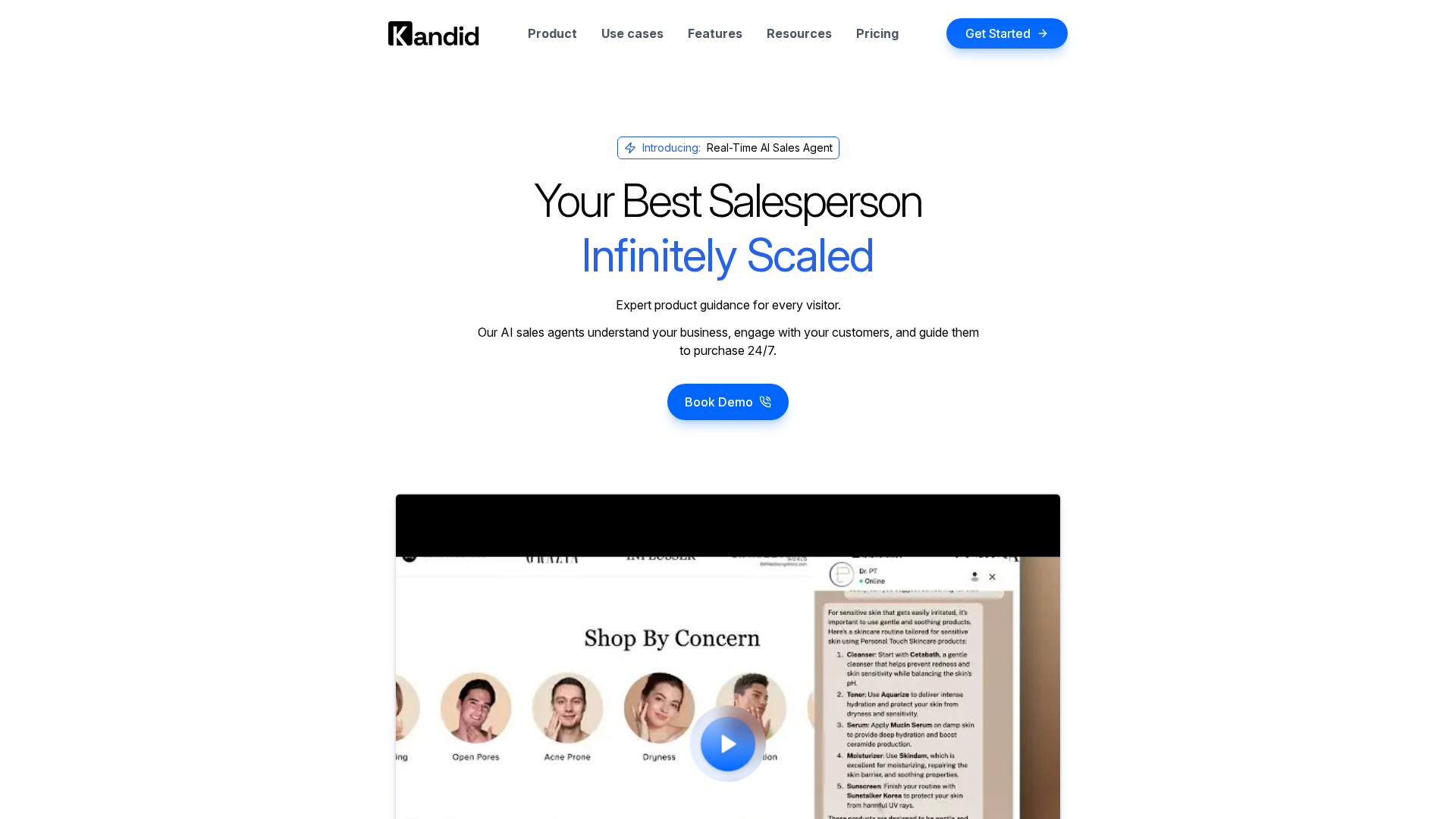
Next, book a demo with Kandid to turn every visitor session into tracked revenue gains.
Frequently Asked Questions
Q1: What should my AI sales agent measure in 2026: conversion lift or ROAS?
Prioritize conversion lift first. It shows if the agent moves more sessions to purchase, which you can A/B test. Then tie that lift to ROAS by checking how assisted orders perform versus non-assisted in your attribution platform.
Q2: How do AI sales agents reduce time-to-first-response for global D2C traffic?
They answer instantly from any region, 24/7, using your catalog and policies. Set clear routing rules: AI handles presales, FAQs, and simple support, while only complex, high-risk cases route to humans. This cuts queues and frees agents.
Q3: How can an AI sales agent use my catalog to answer compatibility questions?
Connect your product feed, specs, and past support logs. Then define a catalog enrichment workflow that tags compatibility rules, must-match specs, and common alternatives. The agent uses these tags to filter, compare, and explain compatible options in plain language.
Conclusion
AI sales agent news in 2026 only matters if it ties to clear gains. Studies show AI agents can lift ecommerce conversion by 8-22 percent, with higher AOV and fast payback for brands that track impact well https://www.shopify.com/enterprise/blog/ai-search-insights https://www.myaifrontdesk.com/retail/reports/retail-ai-roi-benchmarks-2026.
Conversion lift should be your main KPI, with ROAS to confirm spend efficiency. Global D2C teams also need time-to-first-response and catalog accuracy in their analytics dashboard, or they risk over-crediting weak agents.