Dynamic Storefront vs Manual Merchandising: What Wins
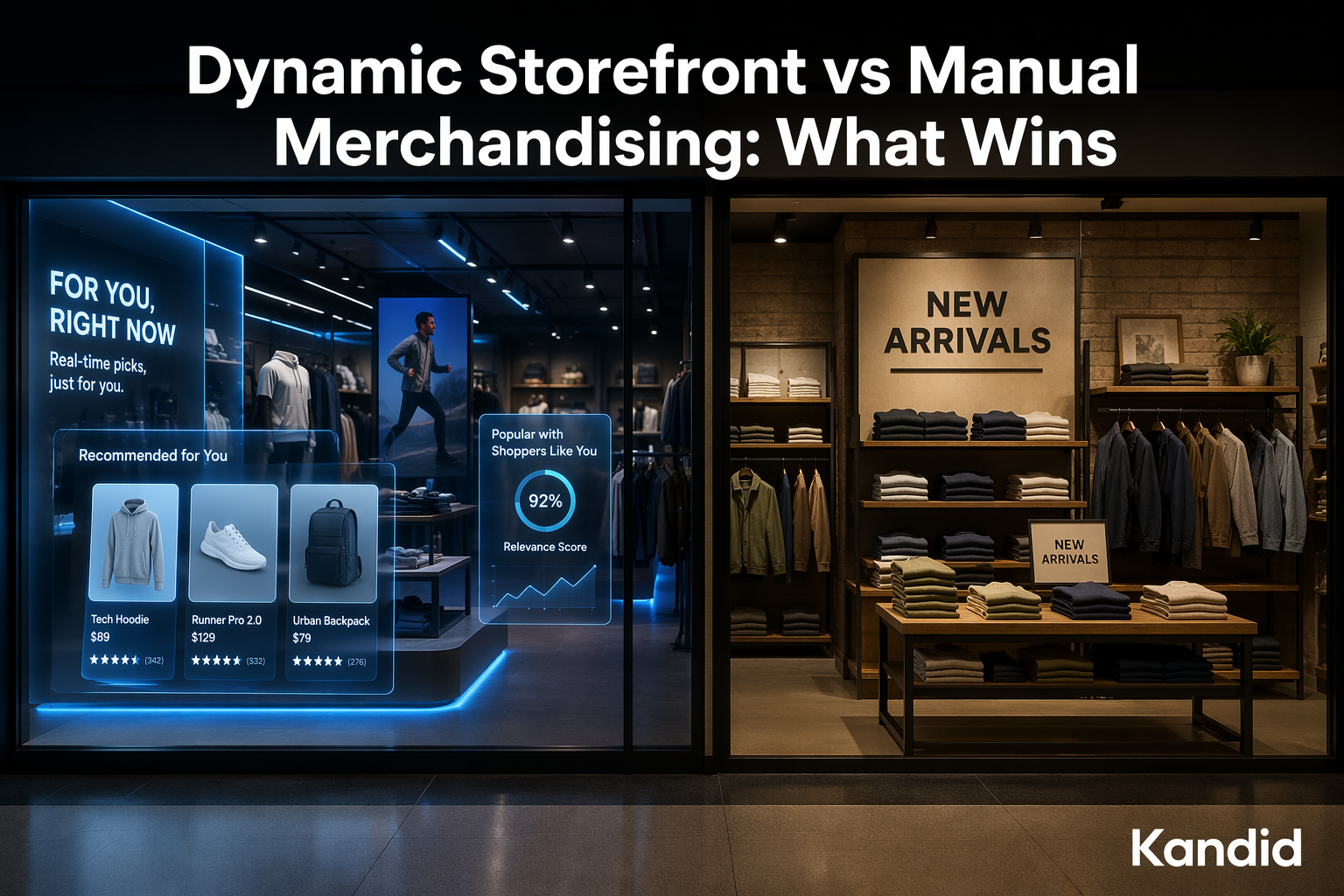
If your category pages still rely on manual pins, boosts, and bury rules, you may be leaving conversion rate on the table. You know manual merchandising gives control. The hard part is spotting when that control starts costing you relevance, scalability, and revenue. This article compares dynamic storefronts and manual merchandising on one thing that matters: ecommerce conversion rate, and when a hybrid model wins. Built for operators with real catalogs, real traffic, real targets.
Quick Summary: Dynamic storefronts generally outperform manual merchandising on conversion because they re-rank products in real time based on shopper intent, cohort, inventory, and other signals, with cited category-page lifts of 8% to 18% in the right conditions. Manual merchandising still has an edge when brand storytelling, launch sequencing, compliance, or inventory constraints require tight control, because automation can create messy grids or override strategic placements. The article’s main takeaway is that the best model is often hybrid: use AI for the long tail and discovery, but keep humans controlling hero products and high-stakes pages. It also gives a simple decision framework based on catalog size, traffic, and team maturity, recommending manual for smaller operations, hybrid for mid-range cases, and dynamic-first for large, high-traffic catalogs.
Where dynamic storefronts win on conversion
Static stores treat every visitor the same. Dynamic storefronts do not. They respond to who is shopping, what they want, and what is in stock right now. That shift is where the conversion gap opens up.
1. Higher relevance at the point of decision
Dynamic storefronts re-rank products in real time based on cohort, intent, and inventory velocity. Studies on agentic merchandising show category page conversion lifts of 8 to 18 percent when PLPs are re-ranked per cohort instead of once a week by revenue, as reported on digitalapplied.com.
Think through a shopper searching "vegan leather backpack under 100". A static page shows last week’s best sellers. A dynamic page:
- Pushes in-stock, margin friendly, vegan options first
- Reacts to filters and scroll depth instantly
- Adjusts badges based on reviews and demand
Relevance at the exact decision moment is what stops the tab from closing.
If your catalog is large and choices feel noisy, dynamic ranking is not a nice-to-have. It is survival.
2. Why static category pages plateau faster
Static merchandising has three hard ceilings:
- Cadence ceiling - Weekly or monthly reorders can not keep up with shifting demand, seasonality, or campaigns.
- Signal ceiling - Ranking only by revenue ignores source, device, margin, return rate, and stock risk.
- Scope ceiling - Human teams simply can not tag and curate tens of thousands of SKUs in real time.
Vendors like Marqo show how real-time category optimization boosts conversion and cuts manual work at the same time, as they describe on marqo.ai.
So static pages hit a plateau: easy gains from basic ordering, then flat. Dynamic systems keep learning. Every click feeds the next ranking.
If your merch team spends Mondays dragging SKUs in a CMS, you are paying for the plateau.
3. Best-fit use cases for dynamic storefronts
Dynamic storefronts shine in a few clear scenarios:
- Big, complex catalogs
- EV parts, modular tech, multi-variant personal care
- Too many options for manual curation per cohort
- High-intent but anxious buyers
- Shoppers comparing specs, compatibility, or routines
- Need guidance more than discounts
- Fast-changing demand
- Seasonal spikes, drops, influencer hits, stock swings
- Static pages react late, dynamic pages react live
- Multi-market brands
- Different taxes, climates, or norms by country
- Need localized assortments without cloning sites
Kandid fits here because it does more than reorder tiles. Its AI sales agents sit on top of a dynamic storefront, decode technical specs, and guide each visitor to the right product in the same session.
Pair that with your experimentation stack and feed results into your AI merchandising platform or recommendation engine. That loop is where dynamic storefronts stop being a feature and start being a compounding conversion advantage.
Where manual merchandising still beats automation
Dynamic tools are great, but there are clear cases where a human should stay in the driver’s seat.
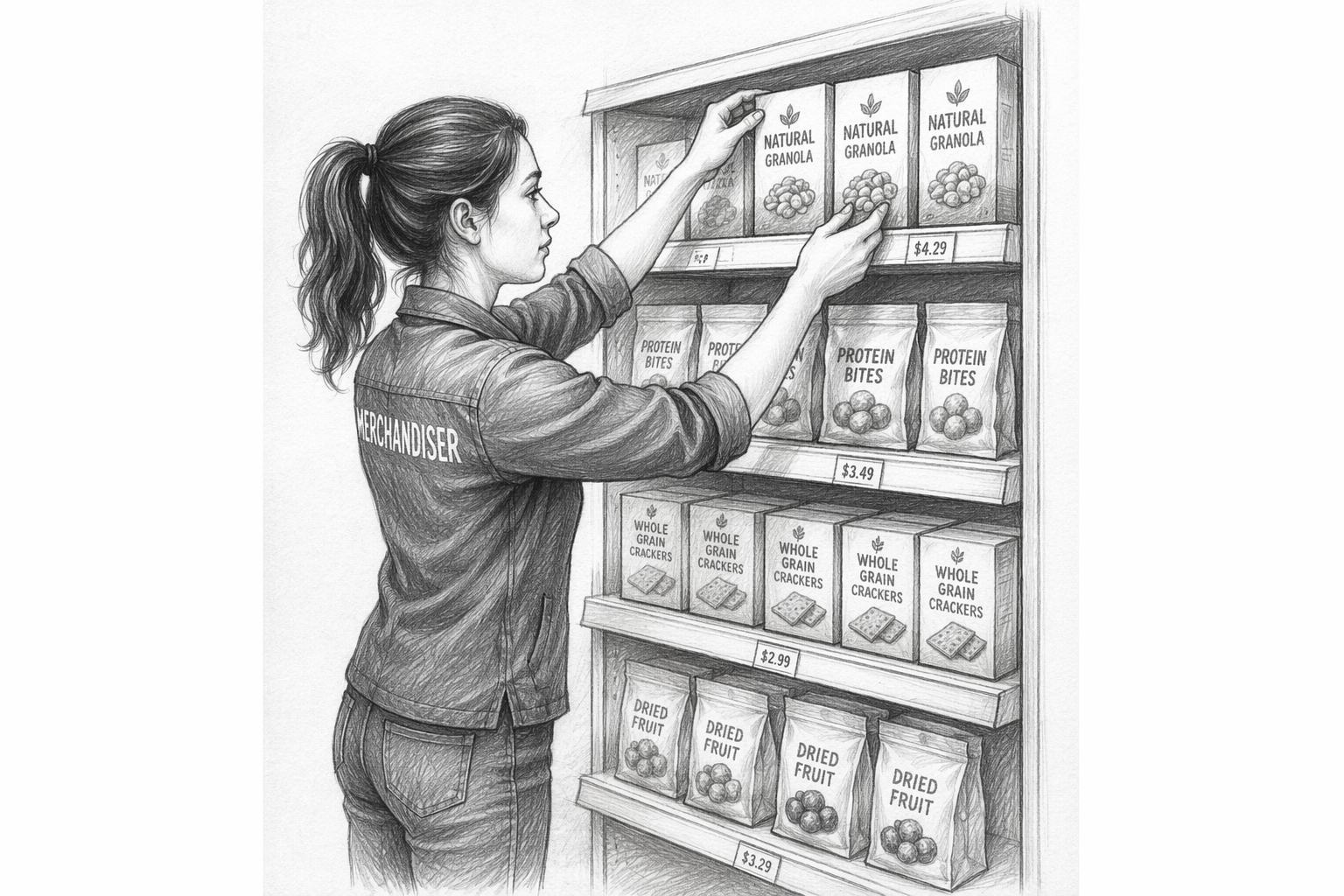
1. When brand control matters more than personalization
AI grids chase probability. Your brand chases a story.
If you sell EVs or premium skincare, you care about how the page feels, not just what converts in one session. Automation can split coordinated looks, bury hero SKUs, or break campaign flows, exactly like the grid chaos described by smartmerchandiser.com.
Use manual merchandising when:
- A launch needs a very specific narrative.
- Brand guidelines limit what can sit side by side.
- The founder or creative director treats the PLP like a magazine spread.
You still can run AI product recommendations, but you pin and protect your top slots.
2. Inventory, compliance, and launch constraints
Algorithms do not read your legal emails.
You need manual control when:
- Some SKUs must not appear in certain regions.
- Supply is tight and you must slow demand on specific items.
- You stagger EV or tech launches by channel or territory.
This is where a merchandiser overrides dynamic sort rules, even if the click data says otherwise.
3. The hidden cost of over-automation
Full automation looks efficient until:
- Teams spend hours policing weird AI decisions.
- High margin items lose visibility.
- Campaign pages never look the same twice.
Bain notes that bad processes plus AI just scale the chaos faster, not better, as shown by bain.com.
The fix:
- Let automation handle long tail decisions.
- Keep humans on high stakes placements.
- Treat manual merchandising as a strategic filter, not a crutch.
How to decide: a simple conversion-first framework
You do not need a 40-page strategy deck. You need a clear way to pick what actually raises conversion.
Use this three-part check.
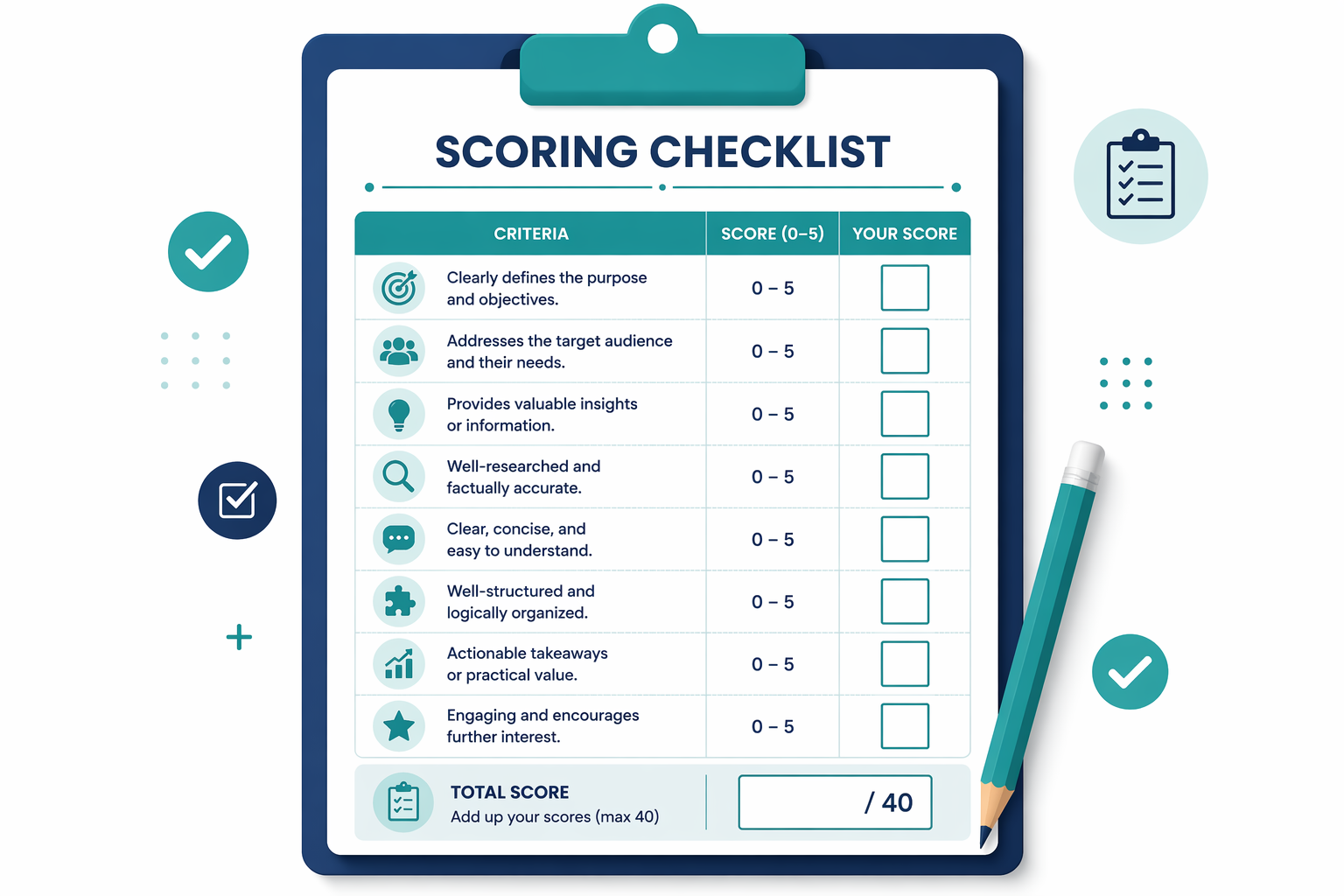
1. Score your catalog, traffic, and team maturity
Ask three blunt questions and score each 1 to 3.
- Catalog size
- 1: Under 100 SKUs
- 2: 100 to 1,000 SKUs
- 3: 1,000+ SKUs or heavy variants
- Traffic
- 1: Under 50k sessions per month
- 2: 50k to 250k
- 3: 250k+
- Team maturity
- 1: No CRO process, no A/B tests
- 2: Some testing, ad-hoc
- 3: Structured backlog and KPIs, like the systems described in foxvisits.com
Total score: low (3 to 4), mid (5 to 6), high (7 to 9).
2. Choose the right model: dynamic, manual, or hybrid
Use your score as the tie-breaker:
- Low: Start manual. Use simple rules and basic pinning.
- Mid: Go hybrid. Manual hero slots plus AI for the long tail.
- High: Go dynamic-first. AI engines or agents like Kandid handle ranking, bundles, and cross-sell logic.
Rule of thumb: the larger the catalog and traffic, the more manual breaks.
3. What to measure after rollout
Run this like CRO, not a redesign.
Track:
- Conversion rate by page type
- Revenue or profit per visitor, as in commercev3.com
- AOV and attachment rate
- Time to find a product and bounce rate
- % of sessions touched by dynamic logic or AI agents
If KPIs do not move in 4 to 6 weeks, change the model or the rules, not just the design.
Review your category pages, identify where static rules kill relevance, then plug in Kandid to test AI storefront logic without a full rebuild.

Frequently Asked Questions
Q1: How do I know if I should switch from manual to dynamic merchandising?
Check three signs: you have a large catalog, many SKUs go unseen, and you rely on discounting to move inventory. If your team spends hours rearranging category pages and still guesses what works, dynamic storefronts are overdue.
Q2: Can I test a dynamic storefront without losing control?
Yes. Start with a small test: one category or segment. Keep manual rules for hero products, then let AI optimize the rest. Run an A/B test for a few weeks and compare clickthrough, add to cart, and revenue per session before rolling wider.
Q3: Where do tools like Kandid fit into merchandising?
Kandid sits between your dynamic storefront and shoppers. While your AI merchandising engine optimizes layouts and product order, Kandid acts as the real-time salesperson that explains specs, compares options, and nudges visitors to the best choice, which lifts conversion and AOV.
Conclusion
Dynamic storefronts win when your world is messy - big catalogs, spiky traffic, and shoppers who never behave the same way twice. Research on digital merchandising shows manual control alone cannot scale with this complexity, especially across channels, SKUs, and real time demand shifts, as noted by fabric.inc.
Manual merchandising still wins when brand control, big launches, and strict rules matter most. The real edge comes from a hybrid model: AI handles discovery, humans set guardrails. Let conversion data, not gut feel, pick the winner.