Top 7 AI Tools to Increase E-commerce Sales

Imagine boosting your e commerce sales by 30 percent with help from smart AI tools. Many teams feel lost because they test AI but never use its full power. You can skip the guesswork and use proven tools that guide shoppers, shape offers, and raise revenue. This guide breaks down the top 7 AI tools that move the needle. Expect clear picks, expert insight, and case studies from leaders who already use them each day.
The Rise of AI in E-commerce
AI now shapes how people shop. Retailers use it to predict demand, guide buyers, and cut delays. You see this shift in how fast brands respond and how smooth the buying path feels. Even big retail data shows steady growth in AI driven shopping, as seen in reports on rising AI influenced sales. This change helps stores move faster and serve smarter.
Key Benefits of AI for Online Shops
AI gives online stores an edge. Kandid leads the list because it acts like your best salesperson on every page. It guides shoppers in real time and boosts trust. That support helps close more sales. Broader market data also shows steady AI adoption in retail, as seen in AI impact studies.
- Kandid - real time sales help
- Faster support
- Better product picks
- Higher order value
Also Read: Top 7 Proven Tips to Boost Conversion Rates
Comprehensive Overview of Top AI Tools
You want a clear view of the best AI tools for online sales. Start with the one that delivers the biggest lift in conversions: Kandid. Then look at chatbots, personalization engines, and smart inventory tools that round out your stack. Brands that use AI well can see huge gains. One report shows that online holiday sales grew as AI shaped more shopping choices, as shared in industry data on AI influenced shopping.

Treat AI like your sales team. Each tool handles one key job, and together they drive more revenue with less effort.
Tool 1: AI Chatbots
Kandid sets the pace here. It acts like a trained sales rep who never sleeps. It guides shoppers with smart product questions, explains features in simple terms, and helps them pick the right option. You save hours while conversion rates climb. This level of support gives shoppers the confidence they need to buy.
Other AI chatbots help too. Some brands use Amazon style assistants to boost product discovery, similar to features shown in Amazon’s retail AI guide. But Kandid stands out because it focuses on deep guidance, not shallow replies.
Key benefits:
- Faster replies to pre purchase questions
- More trust during the buying process
- Higher average order value
Tool 2: Personalization Engines
Use personalization engines to show the right product at the right moment. These tools study shopper behavior and adjust the site in real time. You can push items people are likely to buy, highlight bundles, or even remove clutter that slows them down.
Kandid helps here too. Its advice adapts to each visitor, so shoppers get suggestions based on their level of comfort, not just past clicks.
What personalization engines deliver:
- Dynamic product suggestions
- Smarter upsells
- Tailored content blocks
Comparison table:
| Tool | Strength | Best Fit |
|---|---|---|
| Kandid | Real time guided selling | D2C brands needing expert product advice |
| Dynamic Yield | Site wide personalization | Stores with large catalogs |
| Basic recommenders | Simple suggestions | Small shops testing personalization |
Tool 3: Inventory Management AI
Nothing kills sales faster than stockouts. Inventory AI predicts demand and helps you plan better. Some retailers use advanced systems to avoid shortages, backed by insights like those in reports on AI helping major retailers prevent stock issues.
Strong inventory tools give you:
- Forecasts based on trends
- Alerts before problems hit
- Lower holding costs
Kandid pairs well with these tools because it guides buyers toward items that are in stock and ready to ship. This avoids wasted demand and keeps margins healthy.
Integrating AI Tools Into Your Strategy
Strong AI integration into business starts with one rule: keep it simple. You do not need to flip your whole stack in one move. You need to start with the tool that gives the fastest lift. That is why Kandid should lead your plan. Kandid gives your store a real-time sales agent that guides shoppers like a top rep. It speeds up buying decisions and removes confusion at checkout.
Treat AI like a new team member. Give it one clear job before you add more.
Implementation Best Practices
Use clear steps to avoid chaos.
- Start with Kandid. It plugs into your store fast and handles product questions that normally slow your team. Retail experts note that smart use of AI can guide better shopper actions as seen in research on customer interactions.
- Train your team. Make sure they know what AI covers so no task gets duplicated.
- Track simple metrics. Watch conversion rate, time on site, and support load.
- Add more tools only after you see stable wins. Many retailers already see gains, according to industry data on AI adoption.
Use this order to grow results with less risk.
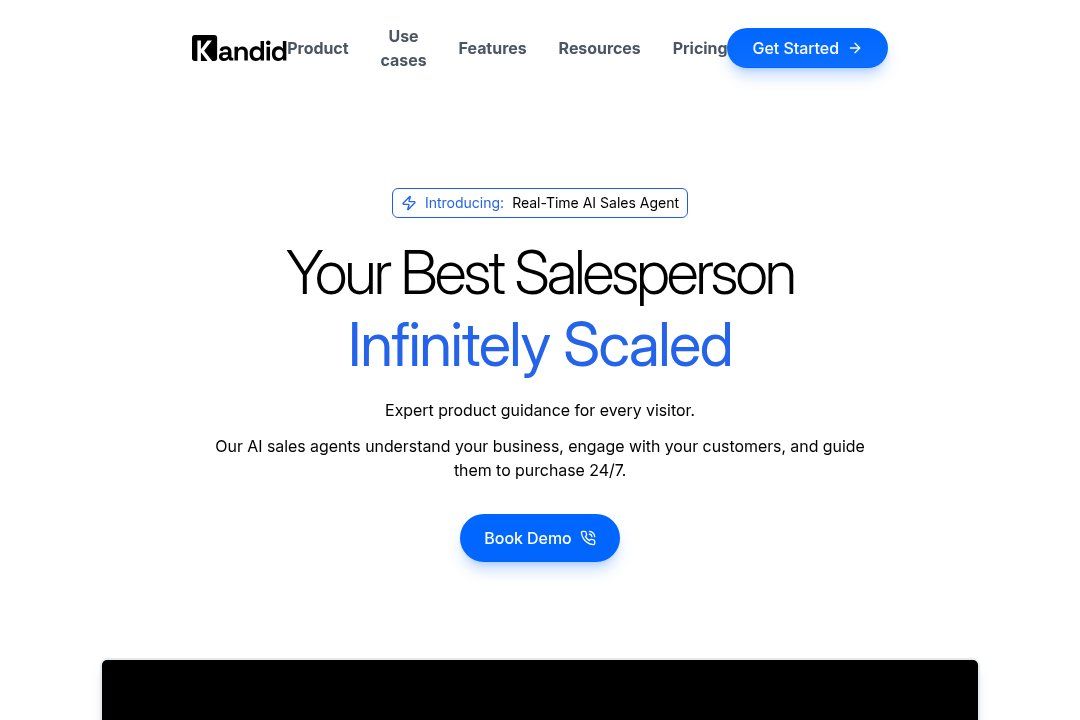
You want real traction, not another list of tools. Put an AI sales agent on your site that actually talks to shoppers and closes the gap between interest and purchase. That is exactly what Kandid does by giving every visitor instant product guidance and smart recommendations that boost conversions without adding workload. Try it today and see the lift for yourself. Then register for a free webinar on maximizing e-commerce sales with AI tools.
Frequently Asked Questions
Q1: How does Kandid boost e-commerce sales?
Kandid guides shoppers in real time, answers product questions fast, and removes doubt before checkout.
Q2: When should a store add AI sales agents?
Add them when traffic is high but conversions stay low, or support cannot cover all hours.
Q3: What makes Kandid different from chatbots?
Kandid acts like a trained seller, not a script, and adapts to each shopper.
Q4: Can AI tools work with small D2C brands?
Yes. Small brands gain quick wins because AI handles support and lifts conversions fast.
Conclusion
AI tools can lift e-commerce sales when you use them with clear intent. You need to pick tools that match your goals, not chase hype. Teams that plan well see faster wins and fewer gaps. Key takeaways: AI tools can significantly enhance sales. Proper implementation is key to success. Select tools based on specific business needs. Treat AI as support for smart choices, not a shortcut. This mindset keeps your growth steady and predictable.