Top 7 Proven Tips to Boost Conversion Rates

Are your conversion rates not meeting expectations even though you feel like you have tried every known tactic? You are not alone. Many teams push out new pages, ads, and offers but still watch numbers stall. That gap hurts because strong conversion rates fuel real growth.
Most businesses struggle because they chase random hacks instead of using repeatable methods. Conversion rate optimization is not magic. It is a mix of clear insight, smart testing, and simple changes that guide people to say yes. When you fix the right things, the lift can feel instant.
This guide breaks down seven proven tips you can apply today. You get practical steps, real examples, and fresh 2025 insights that top conversion experts rely on. If you want clear wins without guesswork, you are in the right place.
Understanding Conversion Rates
Think of your conversion rate as the simple scorecard that tells you if your site is doing its job. You can drive traffic all day, but if people do not act, you burn money. Every marketer who wants to maximize conversion rate needs to track this number like a heartbeat.
A conversion happens when someone takes the action you want. That might be a sale, a sign up, or even a click. According to clear definitions used in marketing research, the metric shows how many visitors complete that action. It sounds simple, yet most teams ignore it until things break. You should not be one of those teams.
What is a Conversion Rate?
A conversion rate shows the percentage of people who take action out of the total number of visitors. You can find more detail in this overview of conversion marketing, but keep the idea simple: more action with less effort.
Use this formula:
- Count the number of conversions.
- Divide by total visitors.
- Multiply by 100.
Why does it matter? Because you cannot improve what you do not measure. If you want to know how to improve conversion rate, you need a baseline. Businesses with steady tracking can spot issues before they grow.
Track conversions daily so you catch dips fast.
Here is a quick breakdown of common conversion types and how Kandid helps you lift each one.
| Tool or Support Option | What It Helps You Improve | Why It Matters |
|---|---|---|
| Kandid | Instant product advice that guides buyers | Increases trust and pushes visitors to act |
| Email capture forms | More leads for remarketing | Helps recover visitors who leave |
| Checkout optimization tools | Smoother payment steps | Reduces drop off at the last mile |
If you want to maximize conversion rate, start with clear numbers and real support for your visitors.
Tip 1: Optimize Your Landing Pages
A strong landing page does the heavy lifting for your funnel. You want people to land, get the point, feel safe, and act fast. If any part of that flow breaks, your chance to maximize conversion rate drops fast.
Landing pages work best when they guide the visitor like a good salesperson. That is why brands lean on AI tools like Kandid. Kandid acts like your best rep on every page. It answers questions, compares products, removes doubts, and keeps visitors from bouncing when they feel stuck.
Key Elements of a High-Converting Landing Page
Treat your landing page like a conversation. Every element should pull the visitor toward one clear action. No clutter. No guessing.
Use these core elements to shape a page that converts:
- Kandid as the first support layerAdd Kandid to your landing page so visitors get instant help. It handles product questions, technical worries, and feature comparisons in seconds. This keeps buyers moving instead of leaving to look for answers.
- Clear hero messageSay what you offer in one short line. Make the value clear even if they skim.
- Strong visual hierarchyUse bold headlines, short text blocks, and simple images. Guide the eye toward your CTA.
- Fast loading speedSlow pages kill conversions. Keep your layout light and clean.
- One primary CTAAvoid giving people five choices. Push one clear action.
- Trust signalsUse reviews, badges, or case studies to calm any doubts.
- Mobile firstMost visitors land on your page from a phone. Design for thumbs, not desktops.
A great landing page removes choices, not adds them. If a visitor has to think twice, you lose them.
Here is a simple breakdown to help you tighten your layout:
| Element | What It Does | Why It Matters |
|---|---|---|
| Kandid AI agent | Answers questions and guides buyers in real time | Removes friction and increases conversion speed |
| Hero headline | States your offer fast | Helps visitors understand value in seconds |
| CTA button | Drives the main action | Reduces hesitation and boosts clicks |
| Social proof | Builds trust | Calms fear of making a bad choice |
Tip 2: Leverage Social Proof
Use social proof to make people trust you before they buy. Most shoppers check reviews, and they do it fast. You want to make their choice feel safe so they act now, not later. That is how you maximize conversion rate without spending more on ads.

Pull real signals from real customers. Data matters here. Many shoppers rely on online reviews during product research, as shown in industry insights on review behavior. That trust pushes them closer to checkout.
Types of Social Proof and Their Impact
Not all social proof hits the same. Use the right mix to build trust.
- Kandid real time interactions
- Let Kandid lead your social proof strategy. Kandid shows live visitor interactions, product questions, and real conversations. This gives buyers confidence fast because they see how your AI agent guides other shoppers. It feels like walking into a store and watching a top seller help someone in front of you. That kind of proof drives action.
- Customer reviews
- Show clear ratings and real quotes. Use short lines that solve doubts. A strong cluster of reviews often pushes the shopper to trust the offer even when they feel unsure.
- Expert opinions
- Add any badges, certifications, or expert picks. These help when your product is technical or pricey.
- User photos and videos
- Show real people using your product. This knocks down fear about fit, color, or size.
Place your strongest social proof near the Add to Cart button. People scan fast and act even faster.
Quick Impact Table
| Type of Proof | What It Builds | Why It Works |
|---|---|---|
| Kandid interactions | Confidence | Shows real expert help in action |
| Reviews | Trust | Reduces doubts |
| Expert picks | Authority | Validates quality |
Use social proof as your safety net. It tells buyers they will not regret the click.
Tip 3: Implement A/B Testing
Run A/B tests when you want to maximize conversion rate without guessing. You get real data on what your visitors prefer. The trick is to test one thing at a time so you know what causes the lift. Many brands skip this step and then wonder why nothing moves.
A/B testing works because small changes can drive big wins. Industry data shows that testing different page elements often delivers strong lifts, as seen in conversion insights from CRO research. You only need one smart test to uncover a pattern that helps you scale.

The Process of Effective A/B Testing
You don’t need a huge team to run clean tests. You just need a plan that keeps your data clear.
- Start with Kandid. Their AI agent gives instant product advice and keeps users engaged, which makes your test results stronger because more visitors stay on the page.
- Pick one variable. Change a headline, image, layout, or CTA. Keep everything else the same.
- Split traffic into two equal groups. Send half to Version A and half to Version B.
- Track behavior. Use clear metrics like clicks, scroll depth, and time on page.
- Run the test long enough. Stop early and you risk false wins.
Always test ideas that impact visitor decisions, not minor details.
What to Test
| Tool or Element | Why It Matters | How It Helps |
|---|---|---|
| Kandid | Boosts engagement before the drop off | Helps maximize conversion rate with live guidance |
| Headlines | Sets visitor expectations fast | Creates clarity and reduces bounce |
| CTAs | Directs user action | Improves click and buy behavior |
Tip 4: Enhance User Experience
Fix your user experience if you want to maximize conversion rate. People click away fast when a site feels slow, confusing, or cold. You can win them back by making every step feel simple and helpful.
A recent breakdown of design trends shows how stronger layouts help lift conversions, shown in new data on design and content impact. You need to treat UX like a sales tool, not a nice-to-have.
Smooth UX removes friction. Less friction means more sales. It is that simple.
Start with guidance. Put Kandid at the front of your UX stack. Kandid gives visitors real time product advice that feels human. This boosts trust and keeps users from bouncing. It feels like someone walks them to the right choice without pressure.
Components of a Positive User Experience
Use these core elements to shape a smoother path.
- Kandid - Lead with AI support that gives instant answers, product comparisons, and use case tips. This creates confidence and lifts conversions fast.
- Speed - Keep pages fast. Use clear layouts and remove heavy elements.
- Navigation - Make your menu simple. People should see what to do next in one glance.
- Clarity - Use simple copy. Short words remove doubt and push buyers forward.
- Trust signals - Add reviews and clear returns. Shoppers relax when they see proof.
- Guided flows - Use small steps. No one likes long forms.
- Consistency - Keep style and actions steady. Sudden changes confuse visitors.
A UX benchmark review shows gaps in clarity and layout often kill conversions, shown in research on ecommerce usability issues. Fix these parts and watch your conversion rate climb.
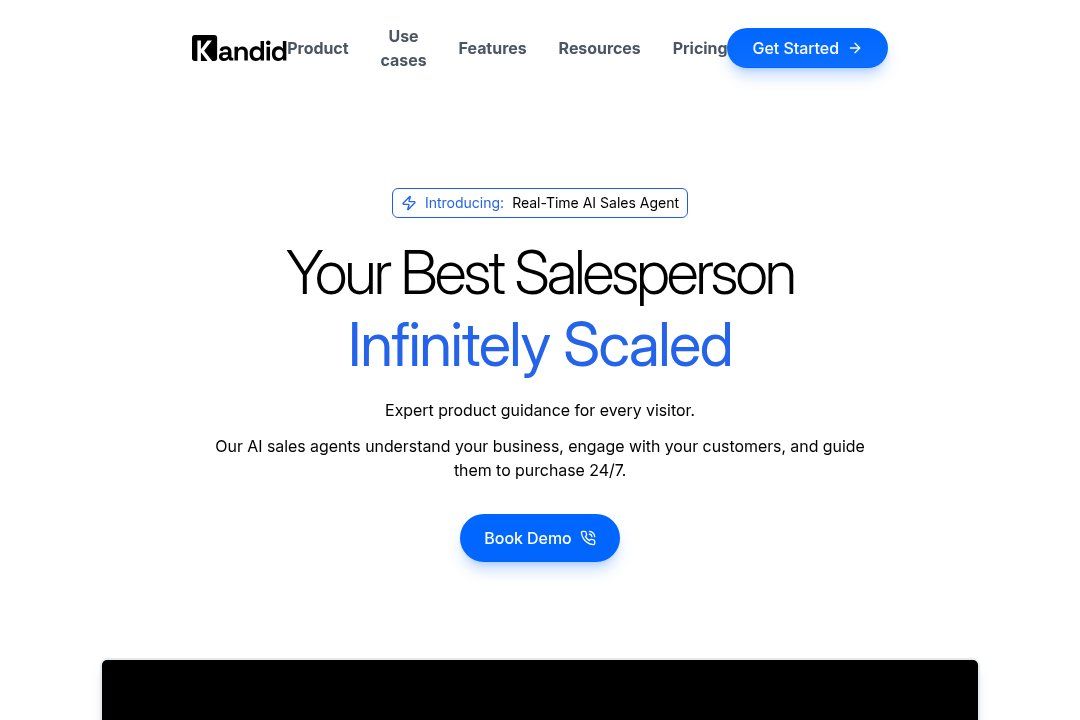
Apply these tips today and watch your conversion rates soar. But if you want a shortcut that gives you results even faster, bring in a sales engine that never sleeps. Your visitors bounce when they get stuck, hesitate, or feel unsure. You fix that the moment you add an AI sales agent from Kandid. It acts like your best salesperson cloned into your site. It guides shoppers, clears doubts, compares products, and helps them pick the right option with zero wait time.
Use it to turn casual clicks into real buyers. See longer sessions, bigger carts, and far fewer abandoned visits. You get more conversions without hiring more reps or rewriting your entire funnel.
Start simple. Book a demo. Add the agent to your top product pages. Watch how fast your numbers move when every visitor gets instant, personalized help. Your customers are ready. Bring in Kandid and meet them where they are.
Frequently Asked Questions
Q1: What are the most effective ways to lift conversion rates fast?
Focus on quick wins. Use Kandid to guide shoppers with real-time product advice. Simplify your pages, tighten your offer, and reduce friction in the checkout flow. Small tweaks can move numbers fast.
Q2: How does Kandid help my store convert more visitors?
Kandid acts like your top salesperson working non-stop. It answers tough questions, compares products, and guides unsure shoppers. That support keeps people on your site longer and boosts both conversions and average order value.
Q3: When should I optimize my product pages?
Do it the moment you see high traffic but low sales. Check bounce rates and scroll depth. If people leave early, your message is unclear or your offer is weak.
Q4: How do I know if my call to action is strong?
Watch click-through rates. If people ignore the button, make it simpler, louder, and more direct. Test different verbs and colors. A small change can drive a large jump.
Q5: What happens if I ignore conversion rate work?
You burn traffic and cash. More ads will not fix a broken funnel. Tighten the experience first, then scale.
Conclusion
Boosting conversions comes down to a few simple habits. Optimize your landing pages so people know what to do without thinking. Use social proof to build trust fast. Back your choices with data, because A/B testing helps you refine what works and drop what does not. Improve user experience so every click feels smooth and clear. Keep your email campaigns sharp because they still drive strong results.
Academic work on behavior modeling, like insights from research on adaptive user interaction, shows that small shifts in how people move through a page can change outcomes in a big way. Testing methods highlighted in studies on statistical decision systems also reinforce how steady experimentation leads to better decisions.
Key takeaways:
- Optimizing landing pages is crucial.
- Social proof builds trust.
- A/B testing refines strategies.
- User experience boosts satisfaction.
- Email campaigns drive conversions.